
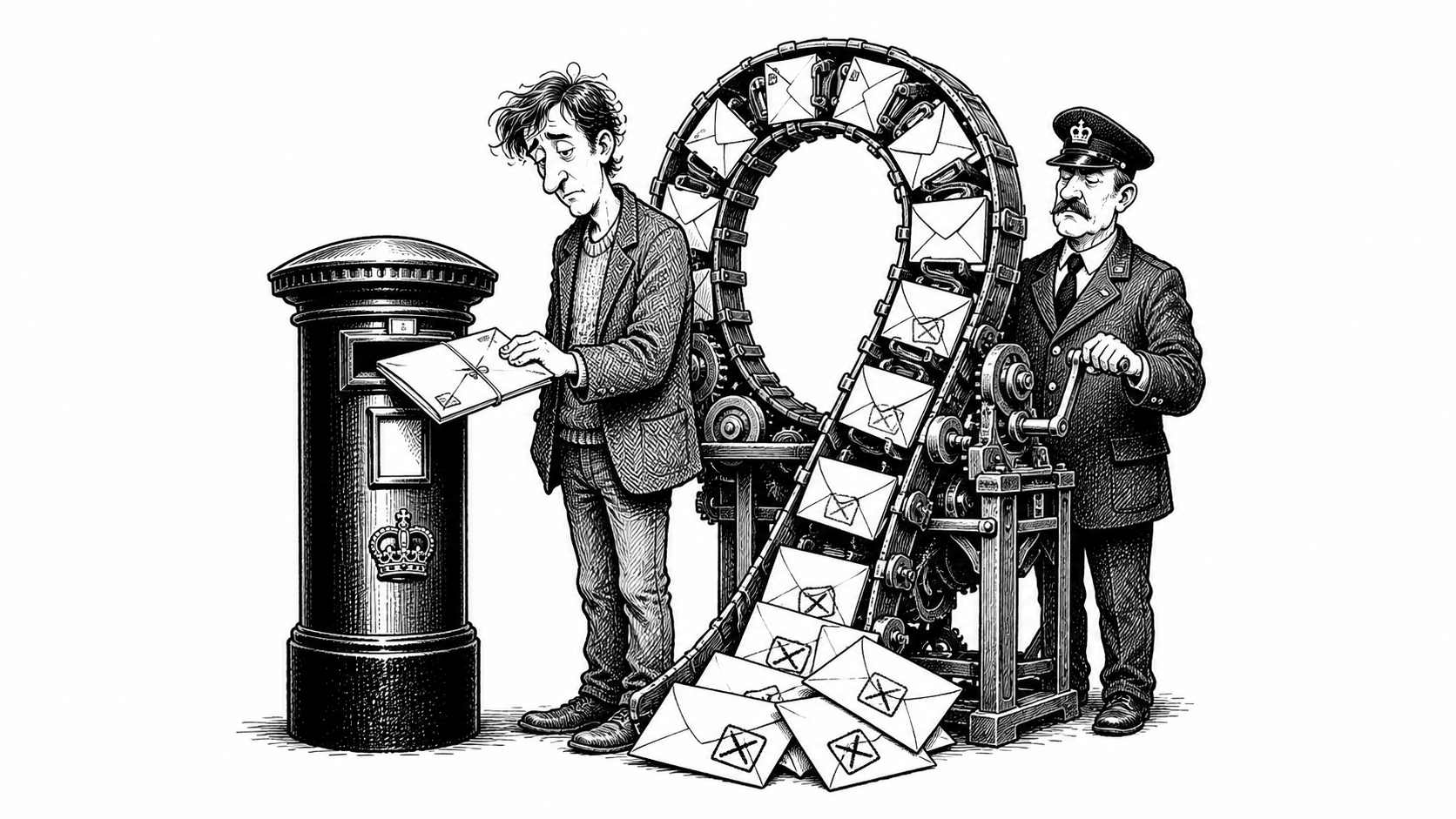
There was a time when trying to publish a book involved paper, stamps, carefully addressed envelopes and the peculiar optimism required to put months or years of work into a postbox.
Then you waited.
There was no submission portal to refresh. No online tracker. No forum full of other authors reporting that the same agency had replied to them in eleven days, four hours and twenty-three minutes. There was only the post, and eventually—if you were lucky enough to receive anything at all—an envelope coming back the other way.
Usually, it contained a rejection.
This was the publishing world my colleague entered more than thirty years ago. He did what aspiring authors were told to do: wrote the book, researched the people who might represent or publish it, prepared the letters, sent the submissions and waited for somebody on the other side of the industry to say yes.
They repeatedly said no.
Rejection was not data
Modern platforms can reject a cover because a line is fractionally outside a boundary and at least give you the dignity of an error message—even when the error message is wrong.
A traditional rejection letter often gave an author far less to work with. It might be courteous. It might be a form letter. It might say the book was not right for the list. What it rarely provided was a useful diagnosis.
Was the idea wrong? The writing? The timing? The person it had been sent to? Had anybody read beyond the first page? Was the market changing while the manuscript travelled from desk to desk?
Rejection was not data. It was simply another closed door.
Years can disappear that way.
Books lived in shops
Books were discovered differently too. The centre of the commercial world was the bricks-and-mortar bookshop. Publishers, distributors, reviewers and booksellers controlled most of the route between the person who wrote a book and the person who might buy it.
That system had advantages. It contained experienced specialists. It also meant that an author outside it could write a complete book and still have almost no practical route to readers.
Then an awkward new thing began spreading into people’s homes.
The internet did not look, at first, like a replacement for the publishing industry. It did not arrive with a neat sign announcing that books, music, films, shops, advertising and human attention were about to be reorganised around it.
But it changed the question.
Instead of asking only, “Who will let me in?” an author could begin asking, “What would I need to build for myself?”
That second question sounds liberating. It is also how one person accidentally acquires the job descriptions of an entire publishing department.
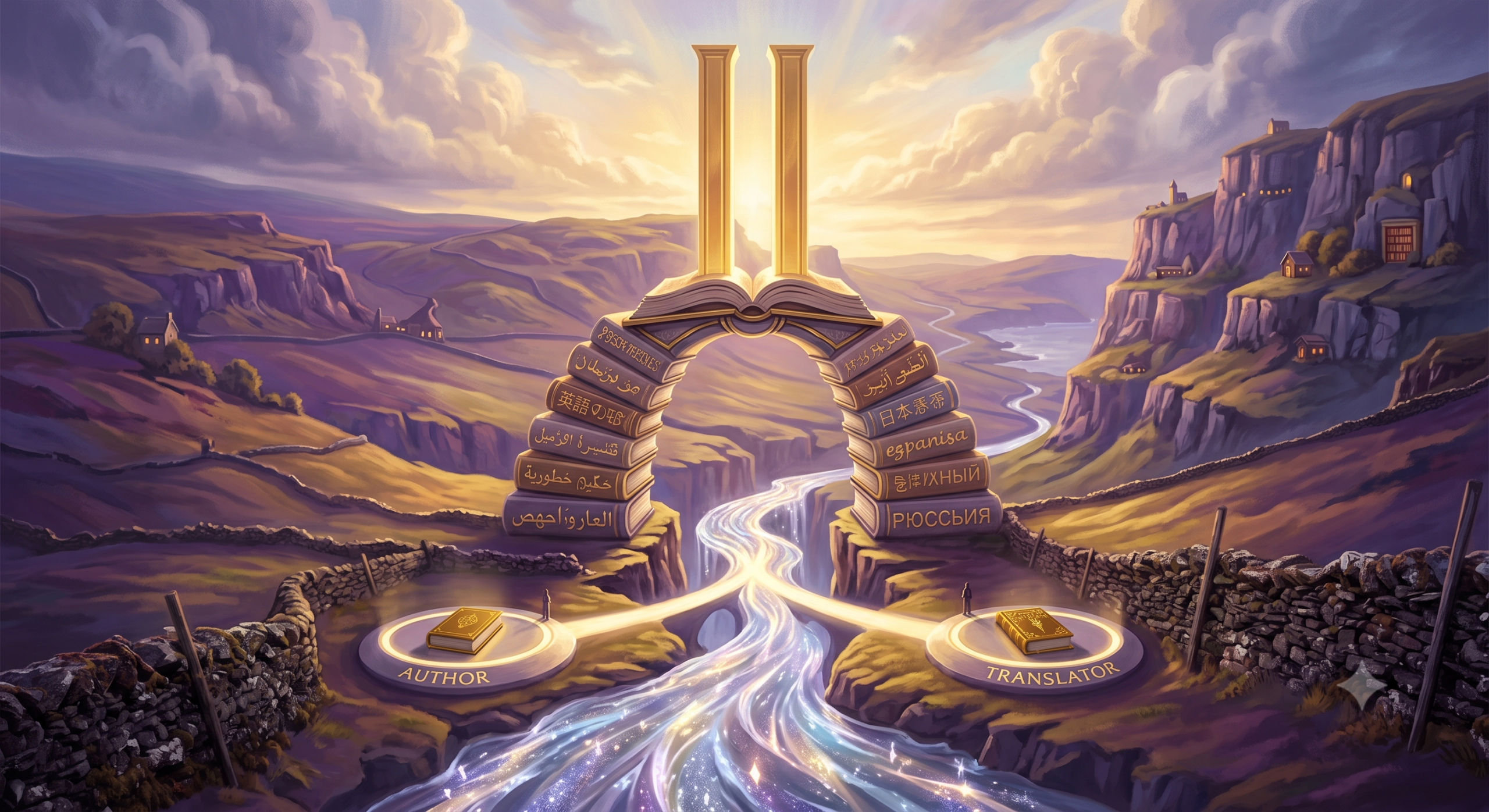
The gate opened onto a workshop
Direct access to readers did not remove the need for editing, design, production, distribution or marketing. It removed the comforting assumption that somebody else would necessarily do them.
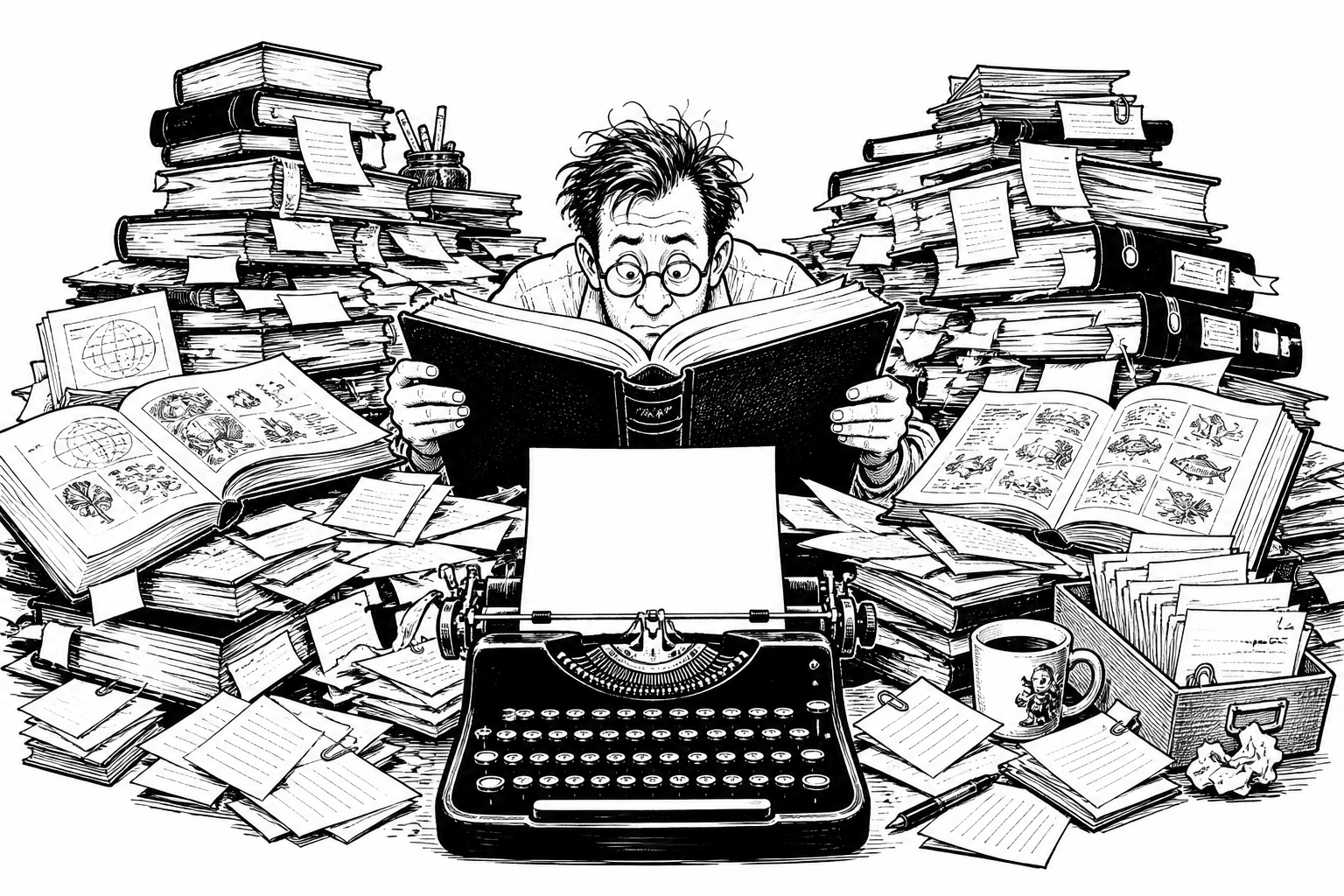
The more control an independent author wanted, the more things he had to understand. If a designer could not see the cover in his head, he had to learn how to explain it. If the explanation still produced the wrong result, he had to learn enough design software to make the idea visible himself. The same pattern repeated with websites, files, trailers, audio and the growing collection of systems through which a book had to pass.
Nobody handed him a curriculum.
He learned by examining finished work, taking it apart, attempting to rebuild it, breaking it, and then discovering why it had broken. That is slower than watching a confident person complete a tidy tutorial. It is also why he can often recognise what has gone wrong when the tidy tutorial stops working.
What experience means now
I thought I knew a lot until I started working with him.
I did know a lot. What I did not yet have was his collection of highly specific publishing instincts: the suspicion triggered by an innocent-looking setting, the memory of three earlier versions of the same platform, or the knowledge that a “simple” production change might disturb five other things nobody had mentioned.
Thirty years of publishing experience does not mean possessing one perfect set of instructions. The instructions keep changing.
It means having survived enough versions of the problem to know how to investigate the next one.
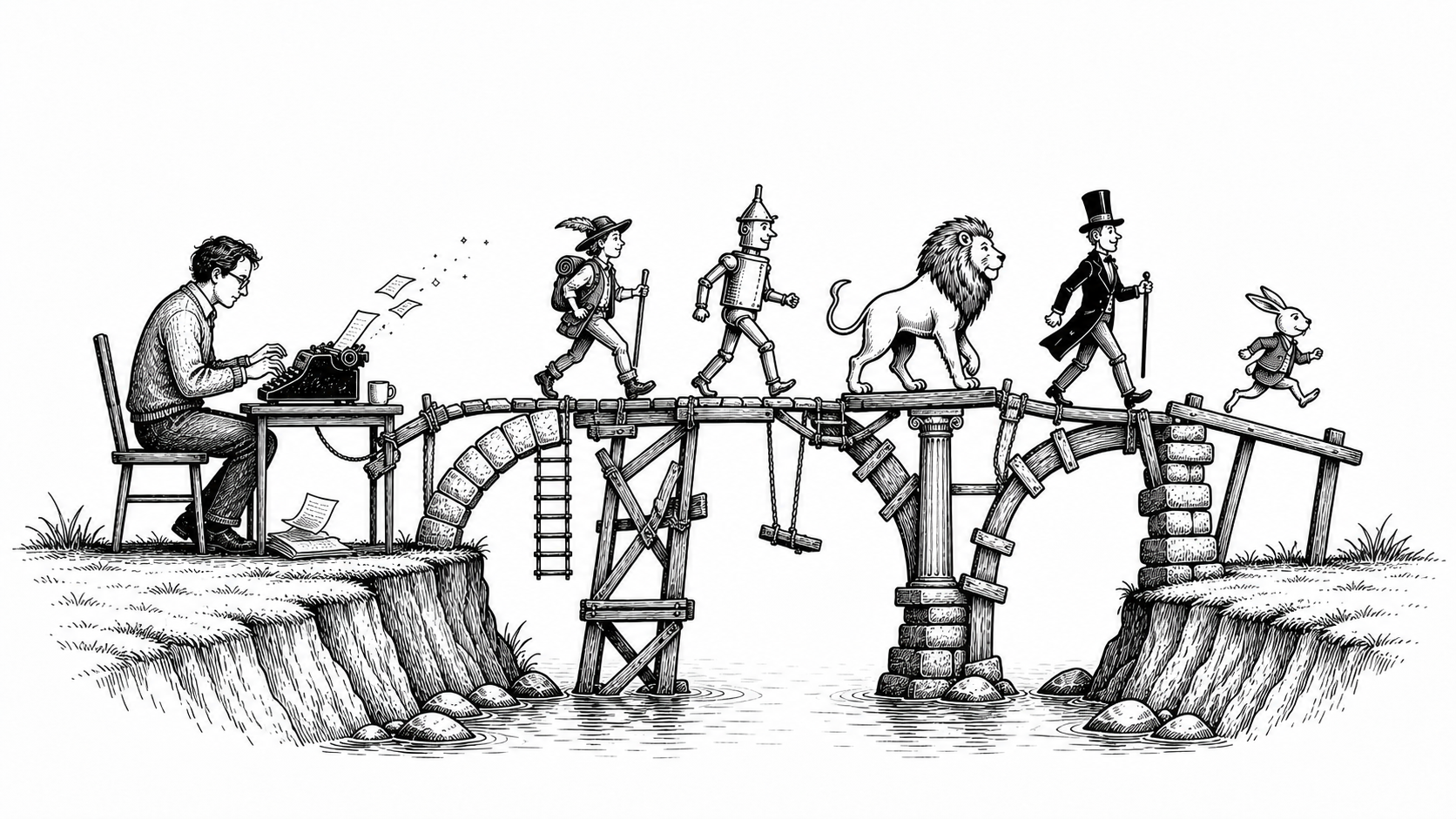
That is what this site is about: the route from the stamped envelope to the automated rejection, and everything authors have been expected to learn in between.
The postman is no longer the algorithm. Some days, he was easier to reason with.




Leave a Reply