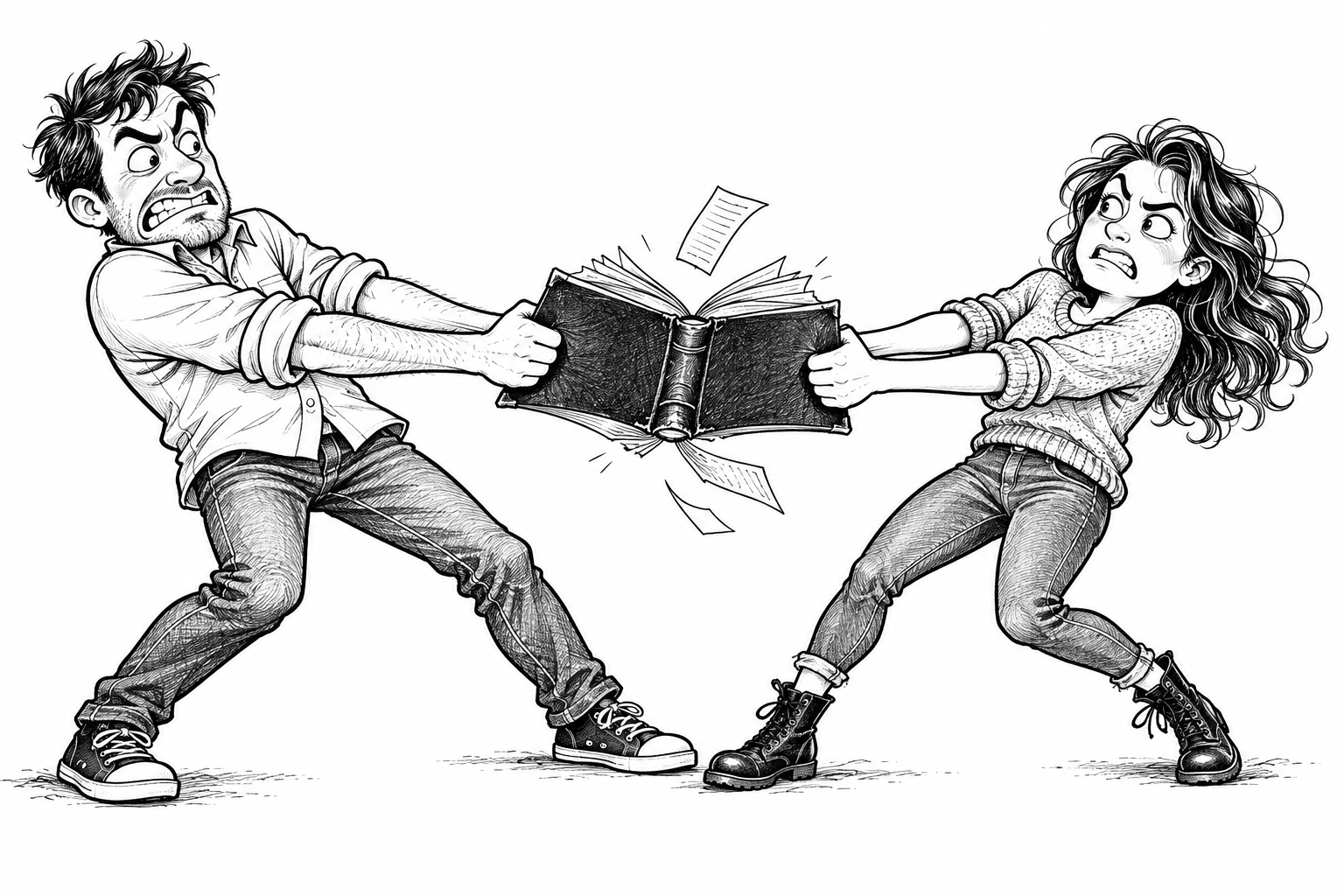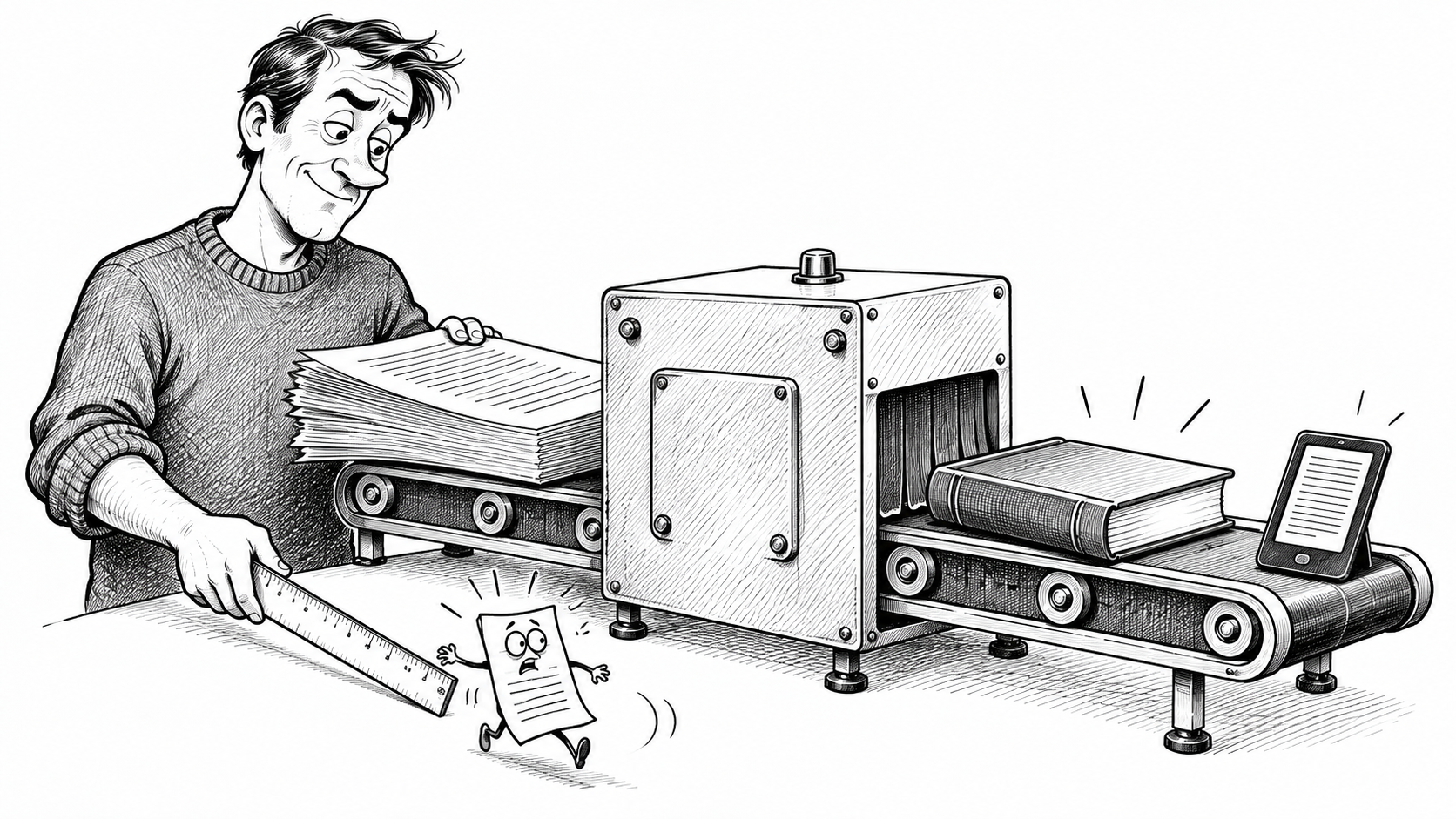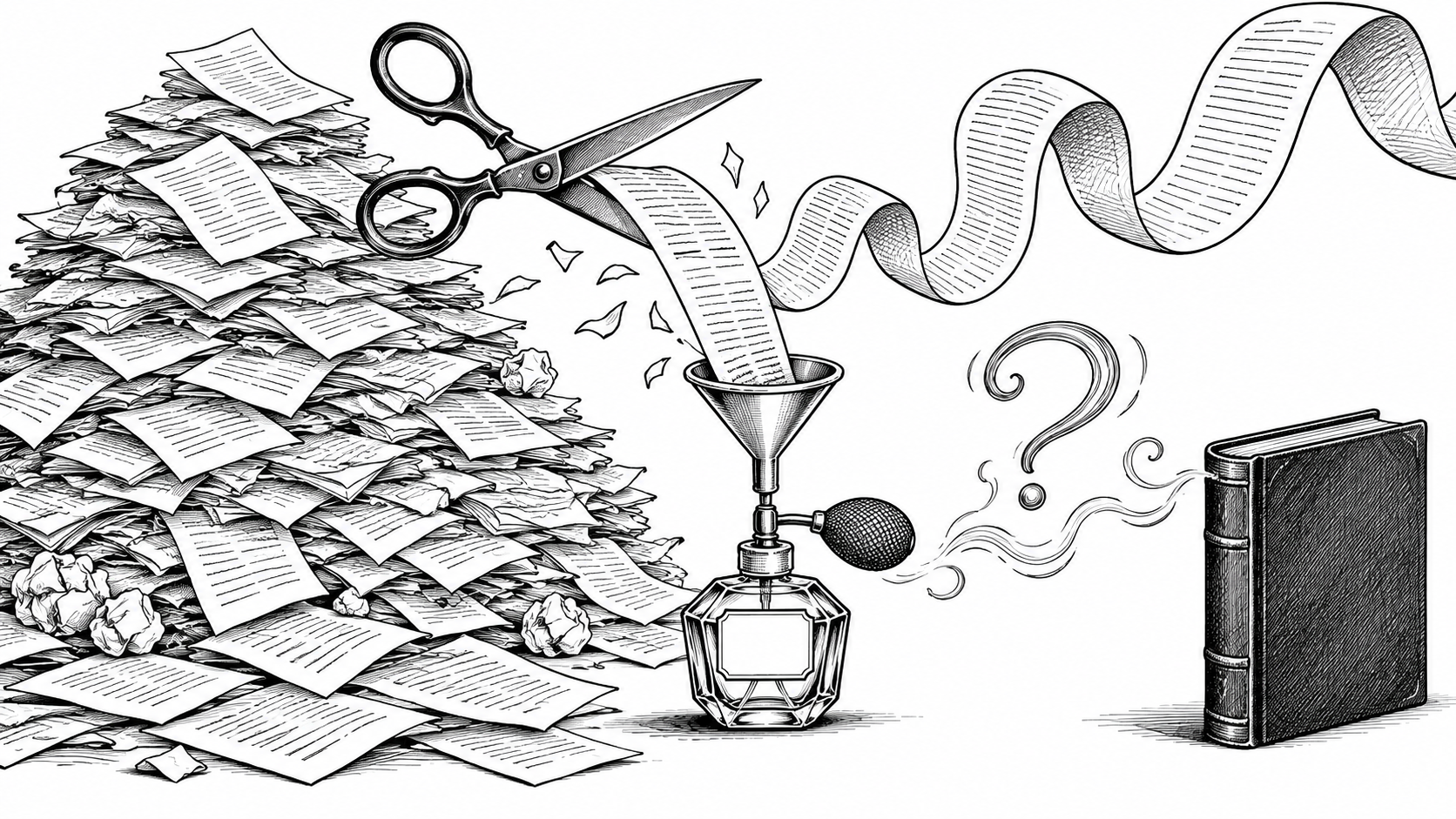

Florida has found a way to make book censorship more efficient: stop waiting for somebody to complain.
Education Commissioner Henry Mack wants school districts to review their collections and remove material they deem sexually explicit before a parent objects locally. His 23 September memorandum presents this as responsible administration. Apparently, the real scandal is that a potentially objectionable book might remain available long enough for somebody to object to it.
Welcome to anticipatory outrage. The complaint has become optional. The pressure has not.
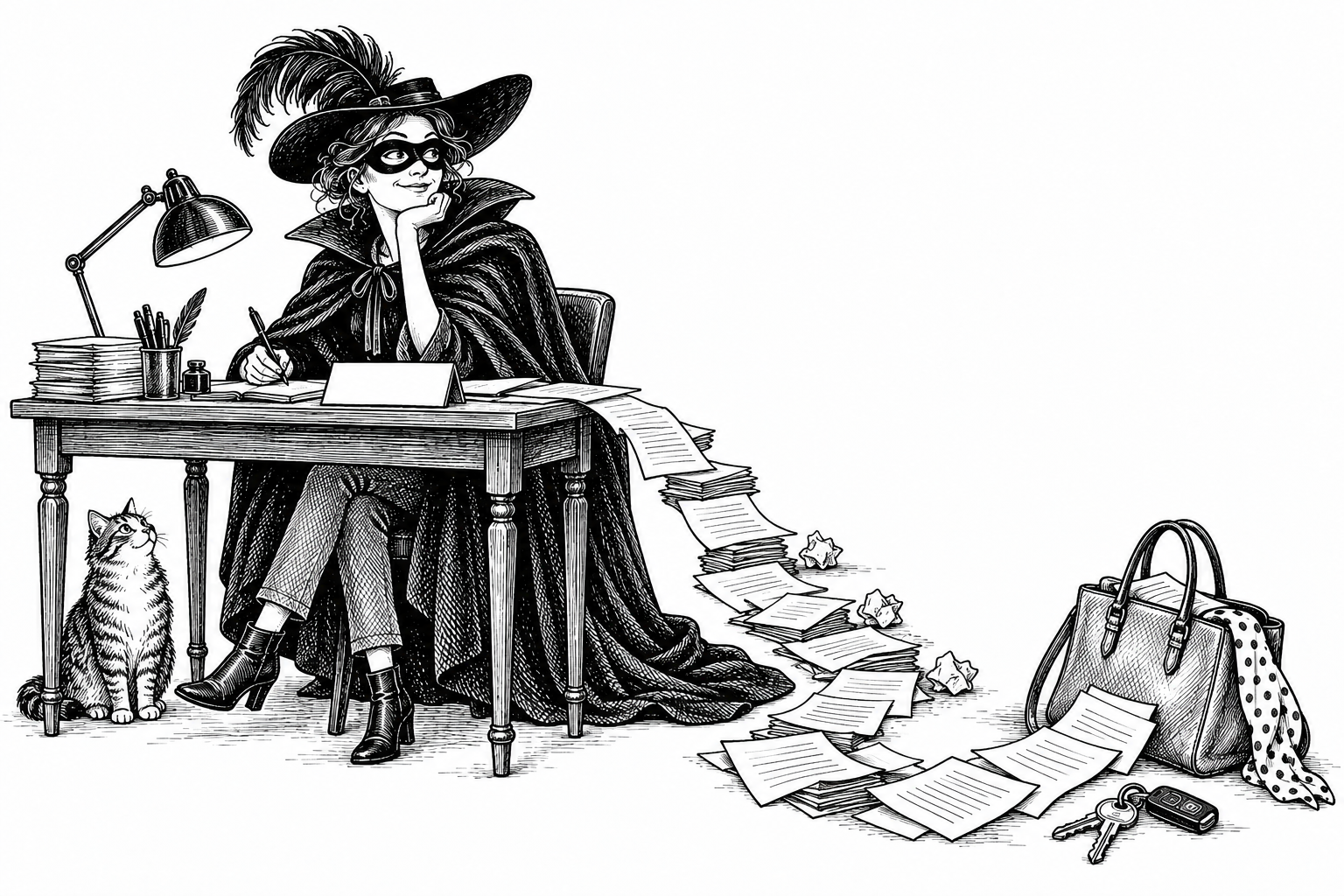
Please remove the problem before it becomes a problem
The News Service of Florida reports that Mack is demanding continuous audits rather than waiting for challenges, with possible funding consequences for noncompliance. His stated justification is protecting children from prohibited material. The report also distinguishes existing requirements to consider objections and maintain collections from an explicit requirement to remove books immediately or cross-check removals elsewhere for pre-emptive review.
That distinction matters. So does the direction of travel: away from answering a specific complaint and towards anticipating the next one. A library becomes a place where staff must imagine who might be offended, by what, and how unpleasant the resulting meeting might become.
One imagines this leaves plenty of time for helping children find something to read.
Welcome to anticipatory outrage. The complaint has become optional. The pressure has not.
The imaginary microphone test
Mack’s recommended 90-day plan suggests selectors consider whether they would be comfortable reading sensitive passages aloud at a public meeting. Discomfort should count against placement. Districts are also urged to check titles against the state’s list of books removed or discontinued elsewhere.
A passage’s ability to embarrass an adult at a microphone is a peculiar measure of a book’s value. Literature deals in awkward things: bodies, cruelty, desire, prejudice, abuse. Strip out a passage, supply a suitably horrified delivery, and plenty of serious writing can be made to sound like evidence for the prosecution.
Schools must make age-appropriate choices. That requires judgement about the work and its readers. It should not require a rehearsal for the angriest possible performance at the next board meeting.
Not a blanket ban. Still a very large stick.
The memorandum expressly says a match on the state list is not an automatic statewide ban; it triggers local review. Nor does a funding threat mean money has already been withheld: the memo describes investigation, findings and corrective action before further enforcement.
Those limits do not make the pressure benign. Tell a district to anticipate controversy while setting out the financial consequences of getting things wrong, and caution acquires a powerful incentive. Keeping a difficult book can start to look like a risk. Removing it can start to look like a quiet afternoon.
For authors and publishers, that is the danger: a book need not lose a public argument if it disappears before the argument begins. For readers, the choice has already been narrowed by somebody else’s prediction of an objection.
What a marvellous administrative achievement: saving people the trouble of deciding what they think by making sure the book is gone before they get there.
Sources: Florida DOE memorandum, 23 September 2026 · News Service of Florida / WUWF, 24 September 2026.
Sources rechecked 2 October 2026.