
Sixty million books ought to buy a certain amount of permanence on a mainstream publisher’s list. Apparently, it does not.
HarperCollins is dropping David Walliams’s backlist, according to The Bookseller’s report of 18 September. That takes the separation beyond declining his next manuscript. The books already written are now part of the exit.
The scale makes this a publishing story with rather more bite than another celebrity changing jackets. HarperCollins’s own HarperReach author biography puts Walliams’s worldwide sales above 60 million copies. This is a catalogue with an enormous commercial history, not an experiment that failed to find its readers.
The backlist is the bigger development
The Independent reports that remaining shop stock will be phased out, along with online ebook and audiobook editions. It follows HarperCollins’s December 2025 decision not to publish new books by Walliams.
The split followed allegations of inappropriate behaviour towards young women, which Walliams strongly denies. His spokesman previously said he had not been informed of allegations or given an opportunity to answer them. The publisher’s commercial decision is not a finding that those allegations are true.
That distinction matters. So does the difference between stopping new commissions and withdrawing an existing catalogue. The first closes the door on what an author might write next. The second reaches into the business built around what readers have already bought.
A successful backlist offers something an untested manuscript cannot: evidence that people have wanted these particular books. That does not make every future sale certain. It does make this departure substantially more consequential than a polite announcement about pursuing new opportunities.
Sixty million copies describe the scale of the past. They do not guarantee the terms of the future.
An enormous number, with limits
There is a temptation to take that sales figure, multiply it by a cover price and announce that HarperCollins has set fire to a mountain of money. It would make a splendid social post and a dreadful calculation.
The figure is cumulative worldwide unit sales. It is not the publisher’s current annual revenue, Walliams’s earnings or a forecast of what these editions would earn if they stayed available.
Nor do we have the internal calculation behind the decision. Without that, declaring the move either commercial suicide or an inexpensive gesture would be guesswork wearing a business suit.
What we can say is striking enough: a vast record of sales has not preserved this publishing relationship.
That complicates a comforting assumption about commercial success. Sell enough, the theory goes, and the awkward conversations stop. Here, the successful books themselves are involved in the separation.
A vast record of sales has not preserved this publishing relationship.
This is not a ban
The reported withdrawal should not be inflated into something it does not establish. It does not mean owning a Walliams book becomes prohibited, or that previously purchased digital copies will be remotely deleted.
It also does not tell us where the rights go next. We have not seen the relevant contracts or an announcement establishing a new publishing home. “HarperCollins is withdrawing these editions” and “these books can never be published again” are very different statements.
For authors considering traditional or independent publishing, the useful point is not to pretend that either route removes uncertainty. It is to recognise what a publisher’s logo cannot promise.
A publishing relationship can provide valuable machinery for reaching readers. It cannot turn a commercial arrangement into an unconditional commitment for life. Even a catalogue of this magnitude remains subject to decisions made inside someone else’s business.
That is what makes the Walliams development so arresting. The number is enormous. The relationship is ending anyway.
Sixty million copies are an extraordinary publishing achievement. They are evidently not a lifetime membership card.
Sources
Sources checked 19 September 2026.
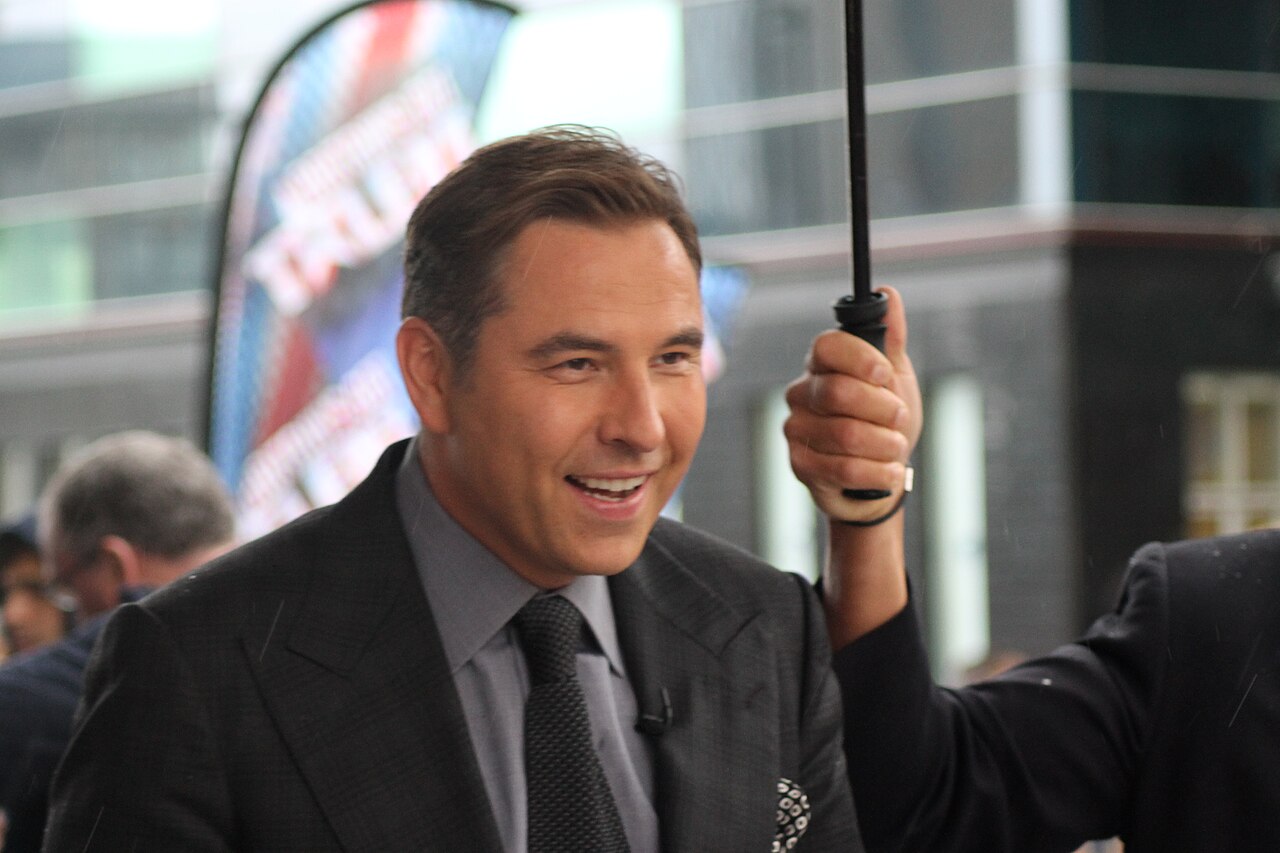
Image credit: David Walliams, photographed by Sean Reynolds, 21 January 2012, via Wikimedia Commons. Licensed under CC BY 2.0.













.jpg)
Leave a Reply