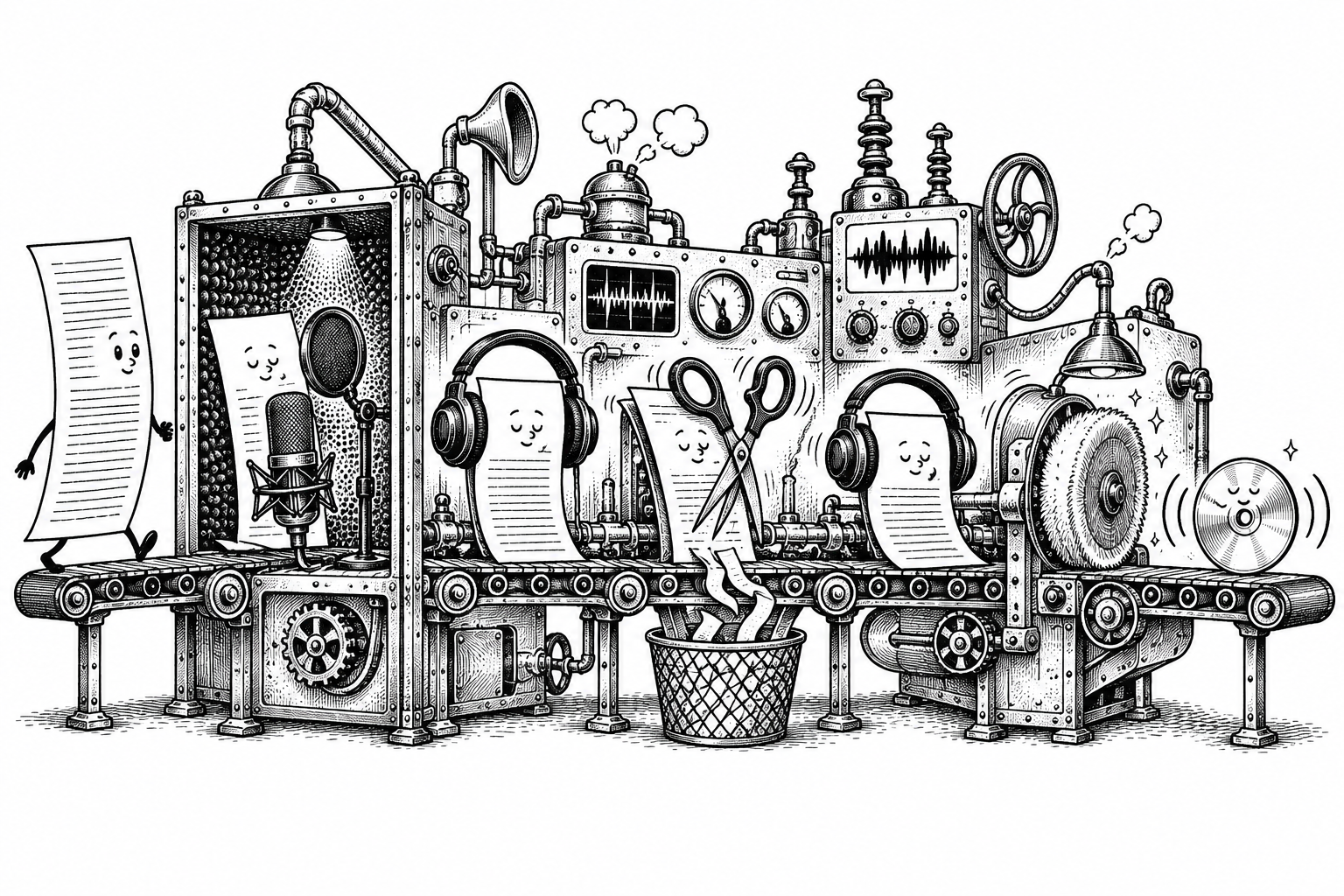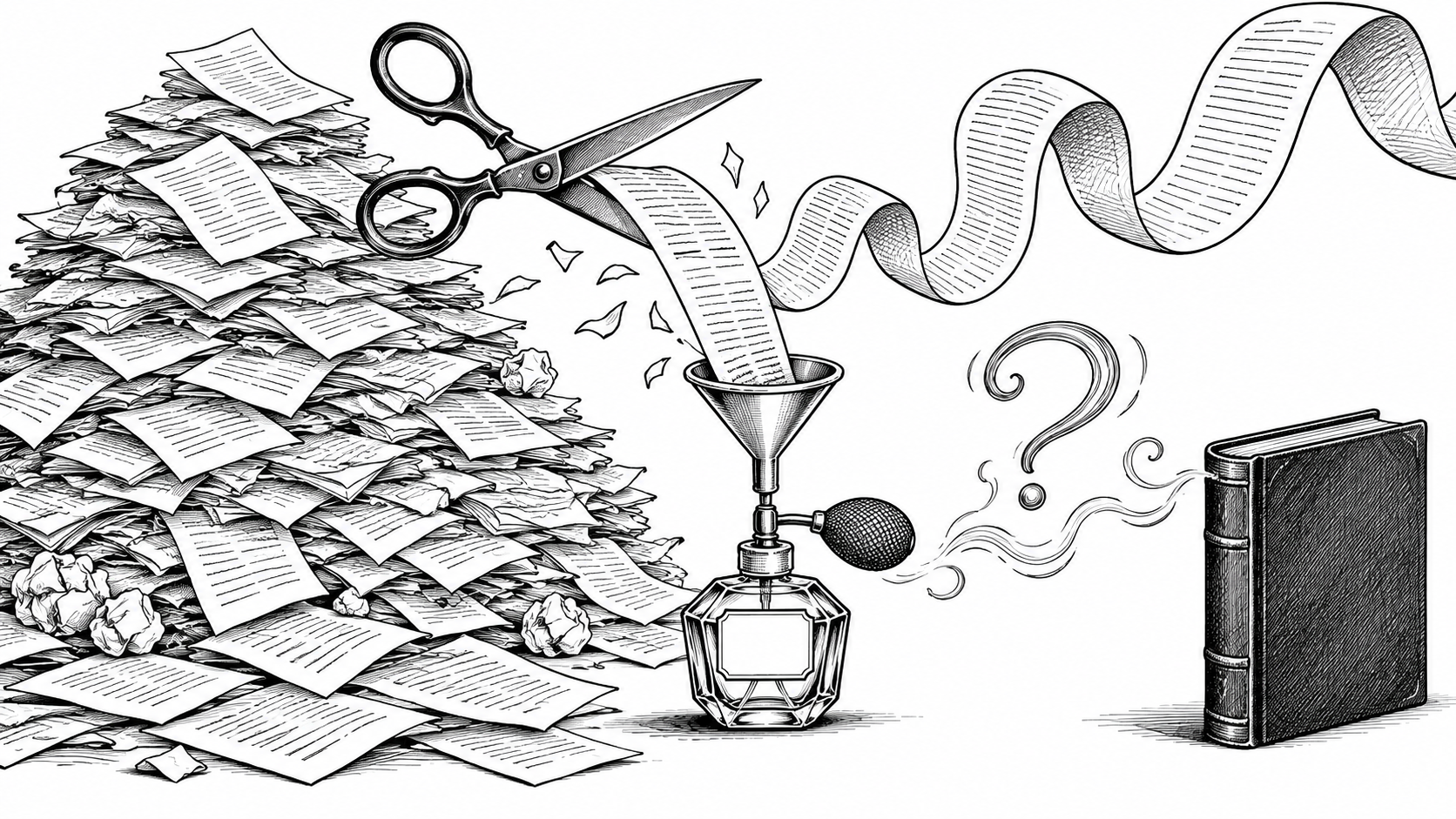

People speak about a book launch as though it begins at nine o’clock on publication day, when an author posts a cover, makes a cup of tea and waits for civilisation to form an orderly queue. It does not. A launch is the visible result of work that began much earlier, sometimes while the book was still an inconvenient collection of scenes and doubts.
Tony’s model is usefully less tidy than the usual checklist. A book sits at the centre with marketing strands running from it at different times: atmosphere, premise, a pre-order, advance readers, cover art, a countdown, the practical business of reminding people that the thing now exists. Not an octopus, he says. More spaghetti. Nobody has to like the image; it is still a better description of independent publishing than a colour-coded calendar pretending every book behaves the same way.
A launch campaign is not one campaign. It is several jobs that happen to share a book.
Start with expectation, not promises you may regret
Marketing can begin while the manuscript is being written, but that does not mean announcing a precise date and then discovering that editing has other ideas. Early activity can show the premise, a strapline, a visual mood or an inspiration image. A rough season is often more honest than a date chiselled into stone. The aim is to give existing readers a small reason to wonder what is coming without creating obligations that the writing process has not yet earned.
This phase is naturally easier when an author already has readers who recognise the territory. A new author may not have much of an audience to tease yet, which is not a personal failing; it is merely what the word “new” has been doing all along. In either case, the message needs to sell atmosphere and curiosity, not a plot you are still rearranging in chapter fourteen.
The real test is whether each piece of early material belongs to the book. A teaser poster, thematic question or short making-of clip can open a door into its world. Repeating “book coming soon” in a different font every week is not a campaign. It is stationery with anxiety.
Give interested readers somewhere to go
Once the book is sufficiently real, pre-orders can turn attention into a useful commitment. They are especially helpful in a series: a reader who finishes Book One and wants Book Two has somewhere to act before life, other books and the next algorithmic emergency take over.
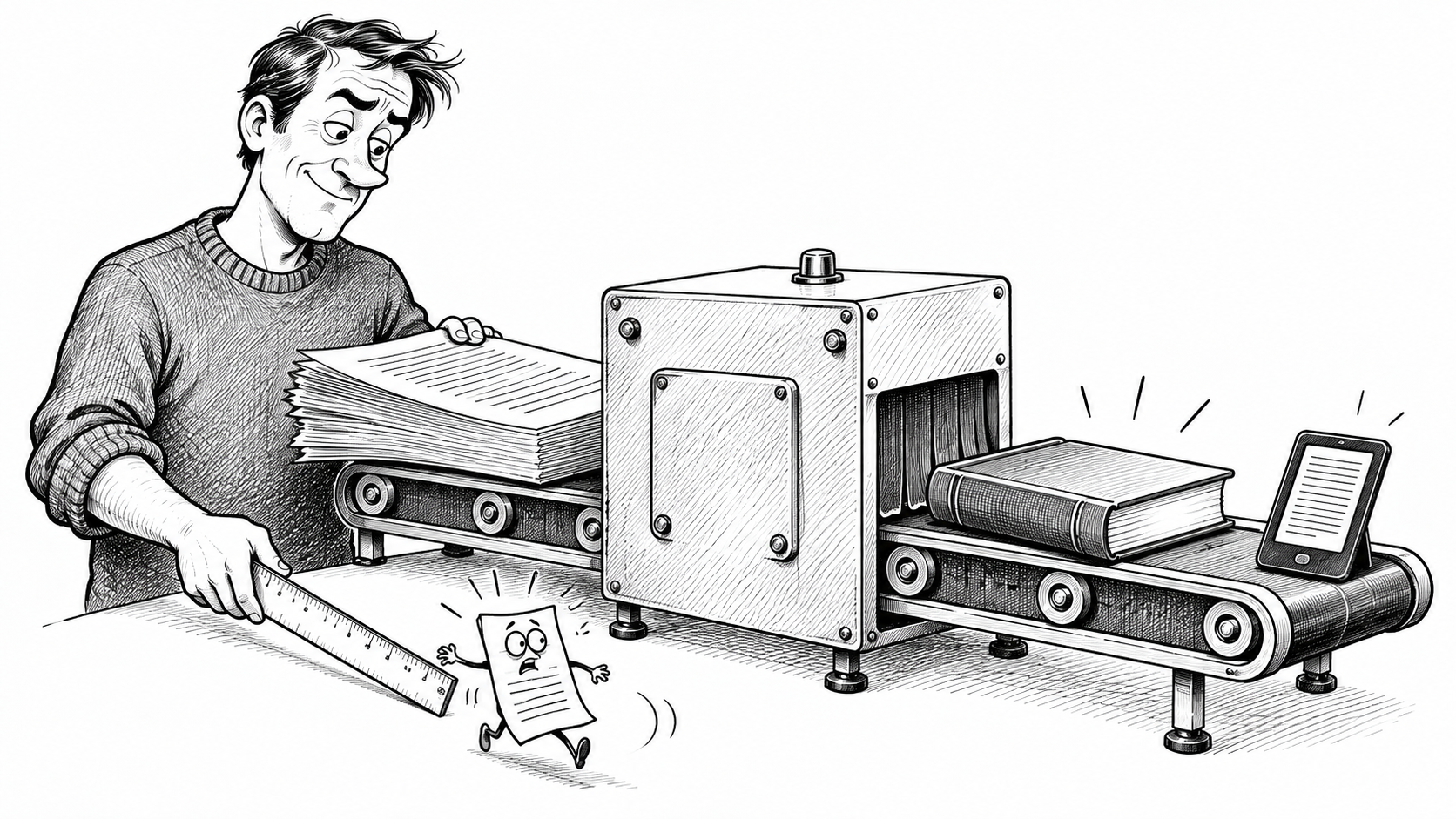
For Kindle eBooks, Amazon says a pre-order makes the product-detail page available before release and lets customers order in advance; the final manuscript must be uploaded and submitted at least 72 hours before the release date. The current rules also distinguish eBook pre-orders from print scheduling, which has its own timetable. Read the live KDP pre-order guidance and print release guidance before promising a date. Platform rules enjoy changing their clothes while everyone is looking the other way.
A pre-order needs enough of the package to be credible: a cover or sensible provisional cover, a blurb, a listing, a place on the author website and creative that explains why the reader should care. It is not magic. Many readers will wait, particularly for a digital book that is unlikely to sell out by lunchtime. Its value is convenience and continuity, not a hypnotic command to buy.
Do not spend money sending cold readers to an empty shop window and call it awareness.
Build social proof before paying for cold attention
Every marketing pound comes out of the book’s effective profit, which is a sobering thought when margins are already behaving like a small animal near a vacuum cleaner. That is why Tony generally favours organic pre-launch work: teaser art, inspiration images, the pre-order page, themed conversations, website takeovers and a sensible ARC plan.
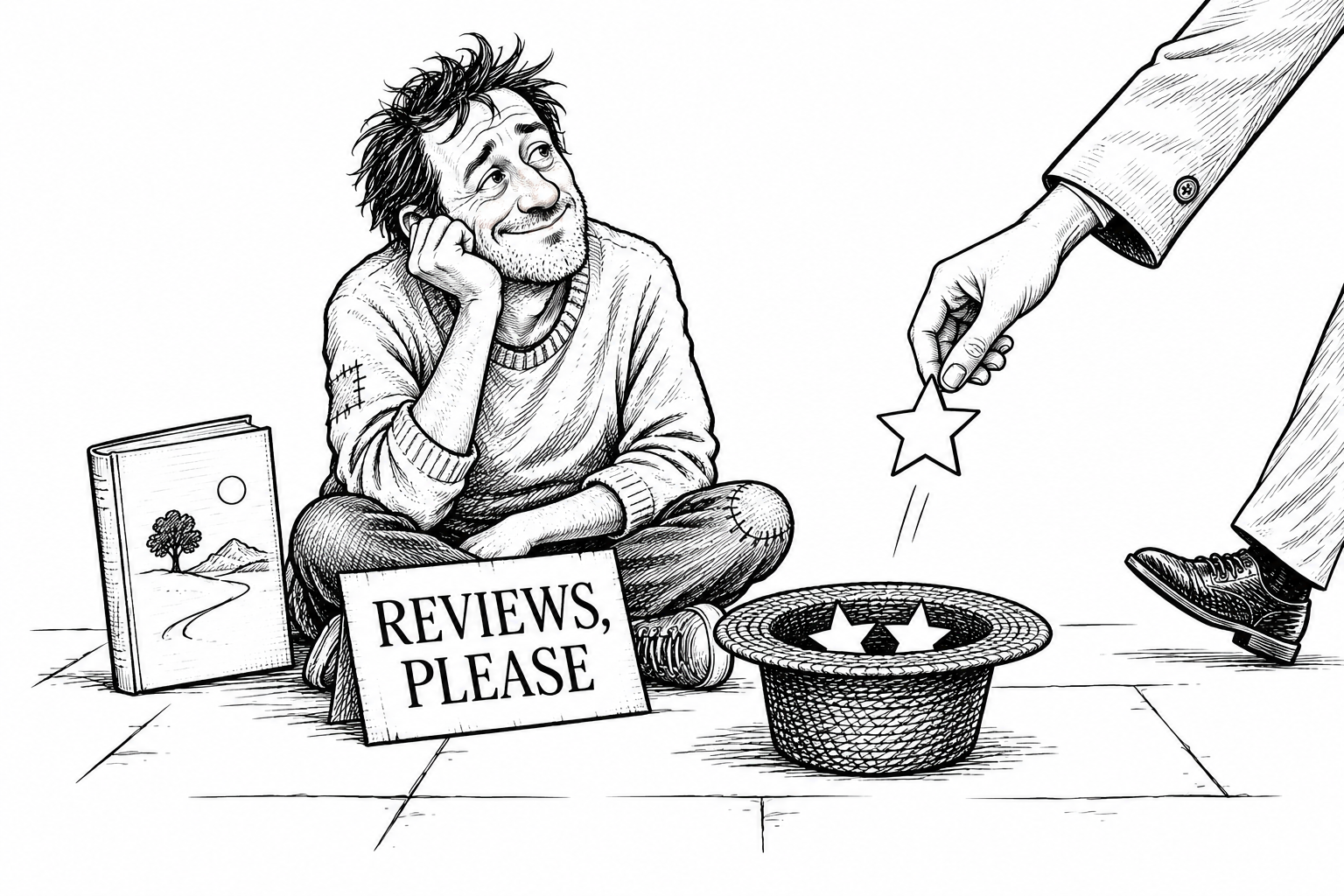
Advance readers and early reviews matter because a cold visitor does not arrive with the author’s existing trust. If an advert sends somebody to a bare product page with no reviews, no visible conversation and no sense that anyone has been here before, they may simply leave. That does not prove ARCs convert every reader. It means social proof can make the later paid click less lonely.
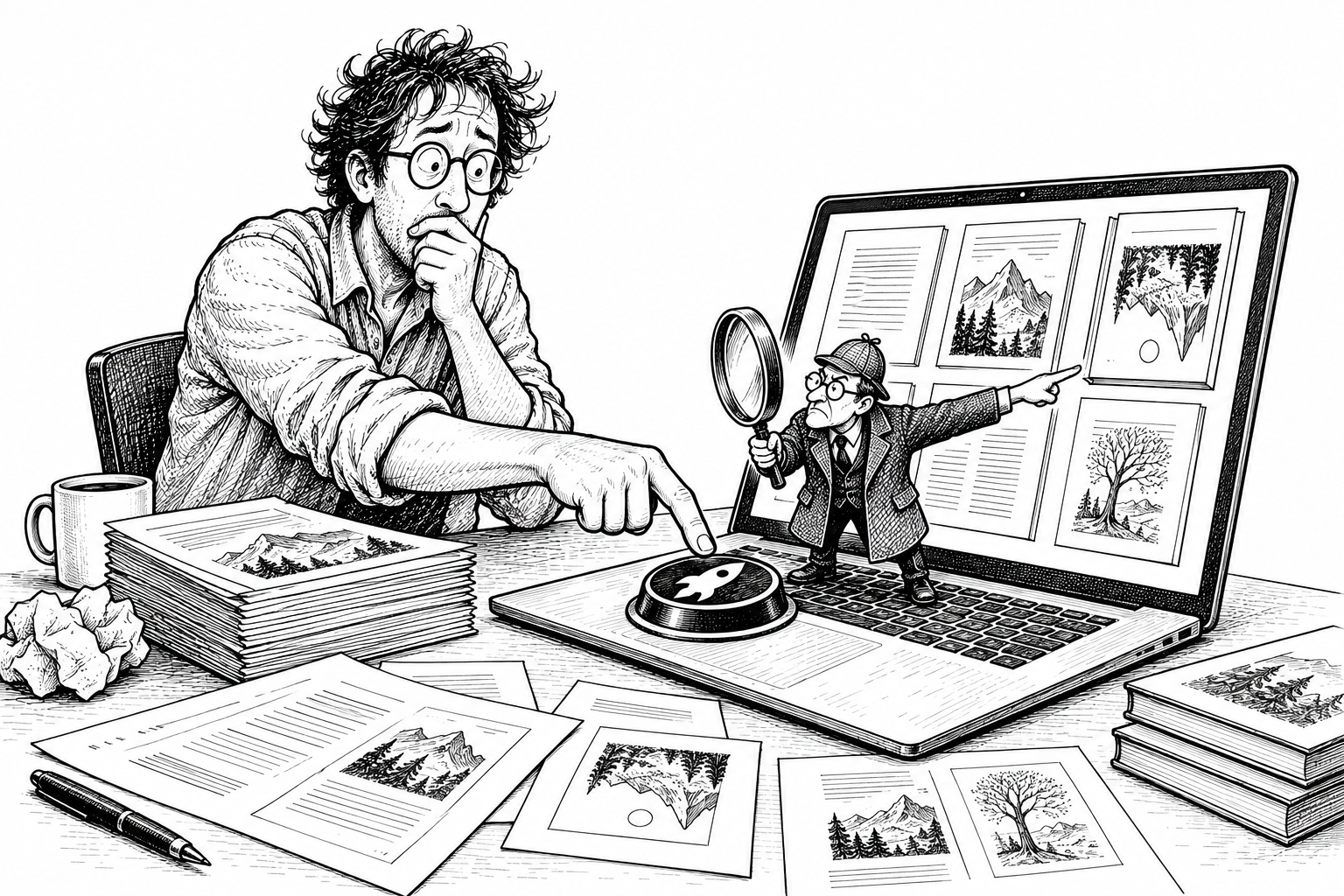
Paid activity before release can be right when it has a deliberate job to do. It is not automatically wise because an ad account has begun making suggestive noises. If the only result is vague familiarity among people who cannot yet buy the book or see why they should, awareness has become a rather expensive hobby.
Use the run-up as a rhythm, not a drum solo
As release approaches, the campaign can tighten. Tony compares this stage to an advent calendar: an inspiration image, a cover reveal where the audience genuinely warrants one, a short interview, an excerpt, a themed question, then the date growing more prominent. Each item should disclose a little more or give the reader a different way into the book.
Readers have lives. They are not spending the intervening weeks staring at the calendar, waiting for your novel to receive clearance. Reminding them is part of the job. Repeating “buy my book” with the grim persistence of a broken doorbell is not. The difference is whether the campaign is still offering something interesting.
Launch day is often tumbleweed. That is not failure; it is where the earlier work collects its receipts.
Treat release day as a handover
Tony’s firsthand observation is that launch day itself can be remarkably quiet: tumbleweed. Its success depends on what has already been built—pre-orders, advance readers, early reviews, buzz and an audience that knows the date. The point is not to manufacture noise on the day; it is to let the commitments and attention gathered beforehand turn into actual sales.
Release day still has practical work. Every “coming soon” should become “available now.” Website copy, links, pinned posts, email language and any remaining countdown material need to agree on the present tense. This is a small administrative detail with a surprising ability to make a new book look as though it was delayed by the local council.
Once the book is live and has enough proof on its sales page to stand in front of strangers, stronger paid testing may make more sense. That is no longer the launch campaign. It is ordinary post-publication marketing, which can continue while it is profitable and useful.
Before any of this, make sure the book knows what it is and who it is for. How to Position a Book Before Launch is the companion piece. A good launch does not replace a clear position; it gives that position more than one chance to reach the right reader.