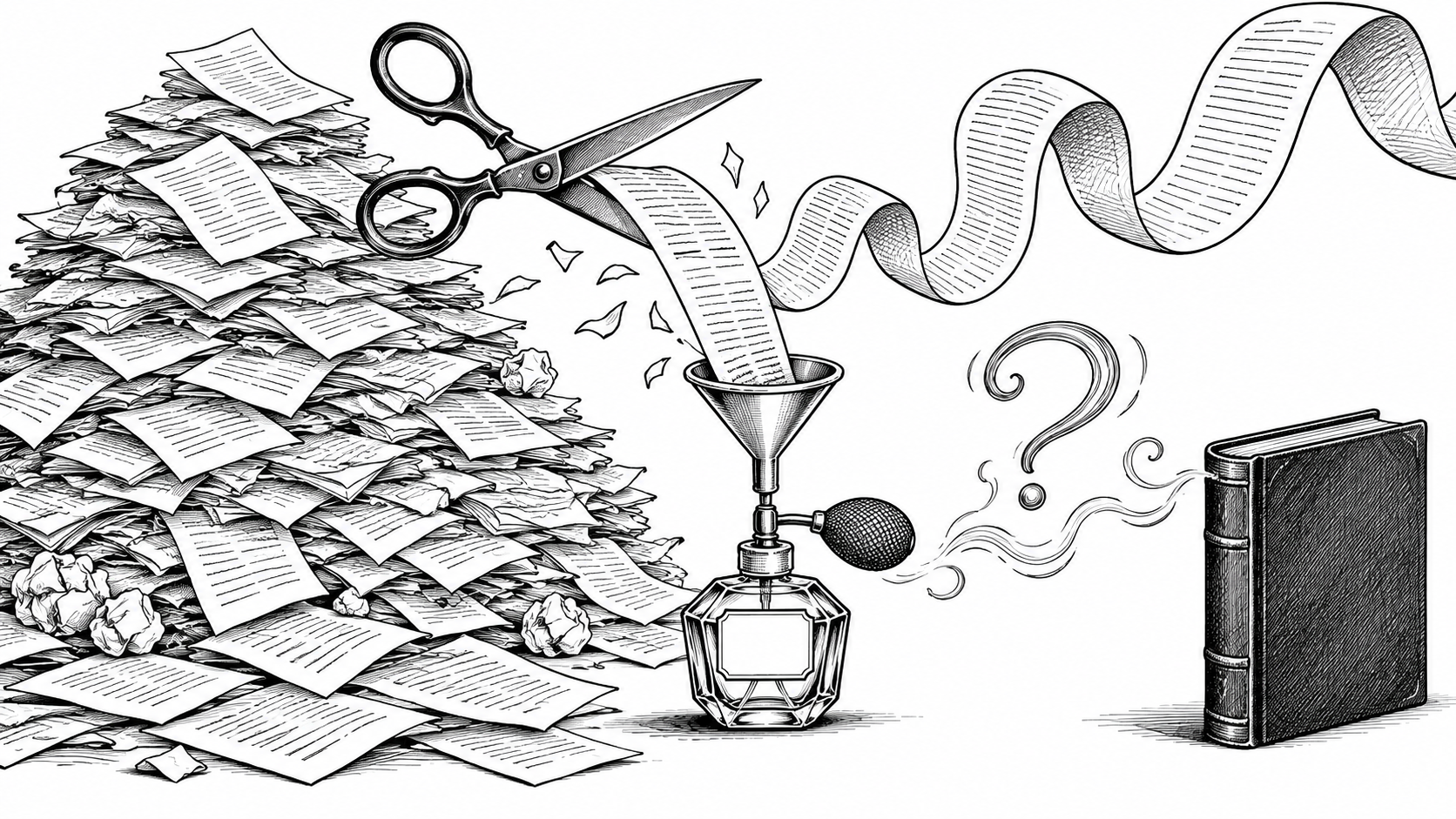

Finishing a book brings a lovely moment when you can finally call yourself an author. Publishing it yourself brings a second moment, usually somewhere inside an upload form, when someone asks for your imprint and ISBN. Apparently the novel was only the opening act.
If those terms have arrived before anyone has properly introduced them, here is the short version. Your imprint is the publishing name associated with the book. An ISBN is the identifying number that helps the book trade distinguish a particular edition and format. Behind both sits a practical choice: how much of the publishing setup would you like to manage yourself?
You might want a straightforward way to get one paperback into readers’ hands. Or you might be building a catalogue, with several formats and a publishing identity that stays with you from book to book. Both are perfectly reasonable ambitions. They just come with slightly different amounts of stationery.
So, which job would you actually like?
Let’s start with the book you are publishing, rather than the publishing empire you may or may not fancy running. For a single paperback through KDP, a free KDP ISBN can be a convenient choice. It is available for paperback and hardcover books, works only on KDP, and shows the imprint Independently published. There is nothing embarrassing about choosing the simpler route.
Your own ISBN gives you more control over the publisher or imprint details. Those details need to match the record held by the ISBN agency when you enter them on KDP. This is where consistency earns its keep: a publishing name that looks wonderfully distinctive on a cover is less helpful if you spell it three different ways in the paperwork.
If you hope to publish several books, an imprint can give them a shared identity. It is worth choosing a name you will still enjoy seeing on a spine a few years from now. You do not need to make it sound as though you occupy six floors in Bloomsbury. A name that suits your books, and records you can find again, make a useful beginning.
A number for the edition, rather than the whole adventure
An ISBN identifies a publication and its publisher. Paperback and hardback therefore need separate numbers; so do different language editions. The International ISBN Agency also calls for a new ISBN when the title or publisher changes, or the text is substantially revised.
The number does not need replacing just because the same edition is sold in another country or changes price. Nor is a marketing refresh, by itself, a reason for a new one. It helps to think of the ISBN as a reliable label for what the reader is buying. The paperback should not arrive disguised, administratively speaking, as the hardback.
There are also platform rules to consider. KDP has its own guidance on updates and new editions, so a planned revision is a good moment to check the current instructions alongside the ISBN agency’s advice. That small pause is usually easier than untangling the records afterwards.
You can build a publishing identity of your own without building a publishing headache to go with it.
A small spreadsheet, a much calmer future you
If you buy a block of ISBNs, a simple register will save you wondering which number went with which book. This is not a proposal for an elaborate filing system. One sheet can happily do the job:
- title and subtitle;
- format or edition;
- ISBN;
- whether the number is unused, reserved or assigned;
- imprint or publisher details; and
- any useful series notes.
For a series, keeping likely companion formats together can make planning easier. Sequential numbers are pleasing if you happen to enjoy that sort of thing, but they are not a requirement. The spreadsheet’s real talent is remembering what you decided six months ago, when you were absolutely certain you would remember.
Does this change need a new ISBN?
A corrected typo is a different proposition from a substantially rewritten book. Small corrections do not normally require a new ISBN; a substantial revision, new format, changed title or change of publisher does. Where the publisher changes, the agency’s guidance is for the new publisher to assign one of its own numbers to the new publication.
If your particular change falls somewhere between the obvious examples, the International ISBN Agency’s assignment guidance is a useful place to start. Your local agency can help with the awkward cases. There is no prize for knowing all of this from memory; the useful skill is knowing where to check.
And what will it cost?
Prices and pack sizes can change, so the official UK and Ireland ISBN store is the place to compare current options. Any price quoted elsewhere is best treated as a guide. A larger pack may suit a growing catalogue, but there is no need to buy numbers for an imaginary twenty-volume collected works before you have worked out the formats you actually need.
Ebooks and audiobooks bring their own platform requirements, too. Checking the intended service before buying keeps the shopping list proportionate. KDP, for example, does not require an ISBN for a Kindle ebook.
Much of this setup happens quietly in the background. Once the name, numbers and records are in order, you have a clearer home for this book and the next one. That is the appeal of taking control: making the arrangement suit the publishing life you want, with a little less rummaging through old emails.
If your finished manuscript has introduced you to rather more jobs than you expected, So You Finished the Book. Now What? offers a friendly tour of what comes next. You can take it one job at a time.
Sources and further reading
- International ISBN Agency: ISBN assignment
- KDP: ISBNs and imprints
- KDP: updating book details
- Nielsen ISBN Store: current UK and Ireland options
Official guidance checked 1 October 2026. For a particular edition or publisher change, check the relevant agency and platform requirements.