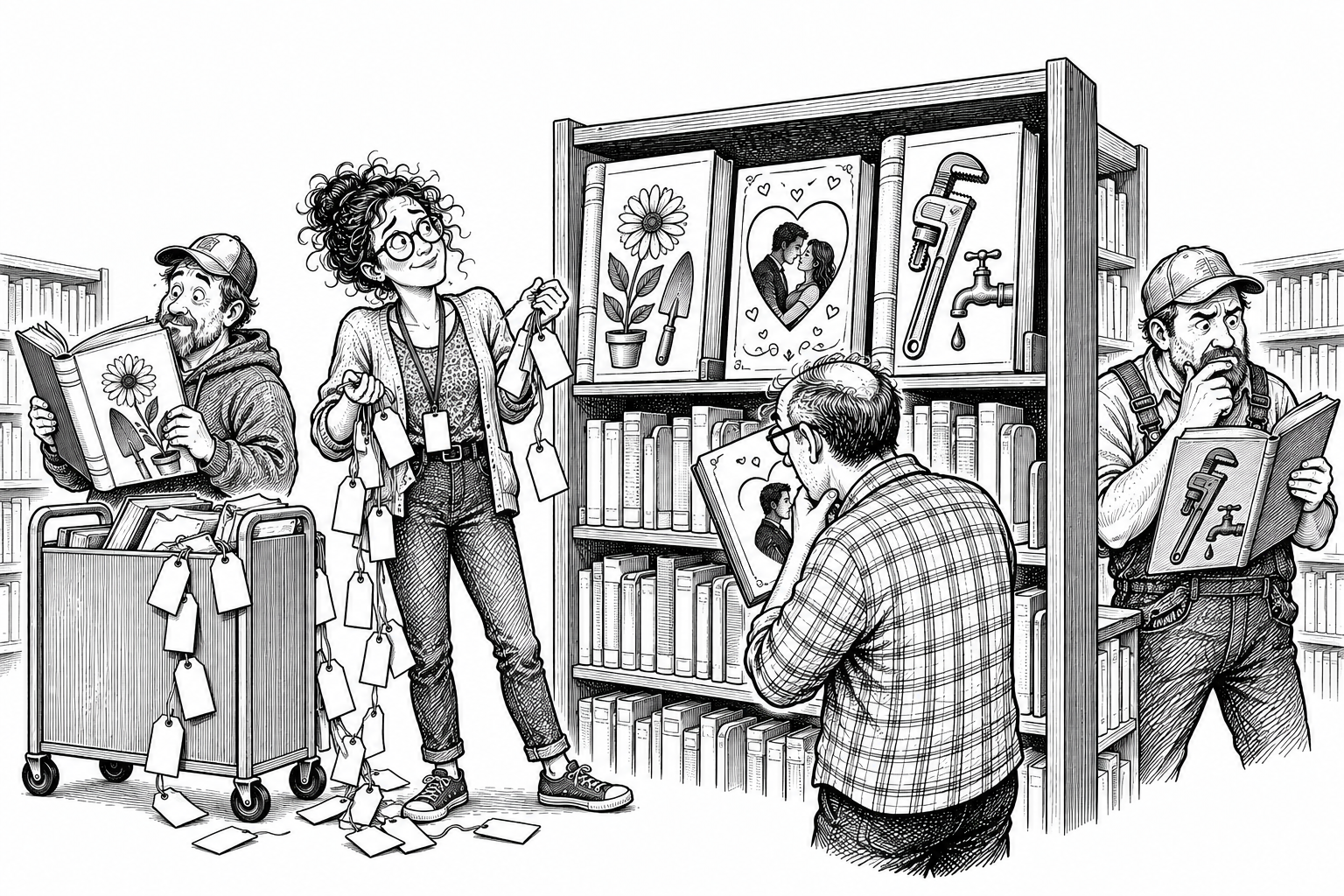
There is a small, comforting ritual among new authors. They type their own name into Amazon, find their book and conclude that discoverability is going splendidly. This is rather like standing in your own kitchen, locating the kettle and declaring yourself a master of navigation.
Your name and exact title are the searches you already own. The difficult part is being found by somebody who does not know you exist, but does know they want a coastal murder mystery, a traditional ghost story or a science-fiction crash landing. That is where metadata earns its keep.
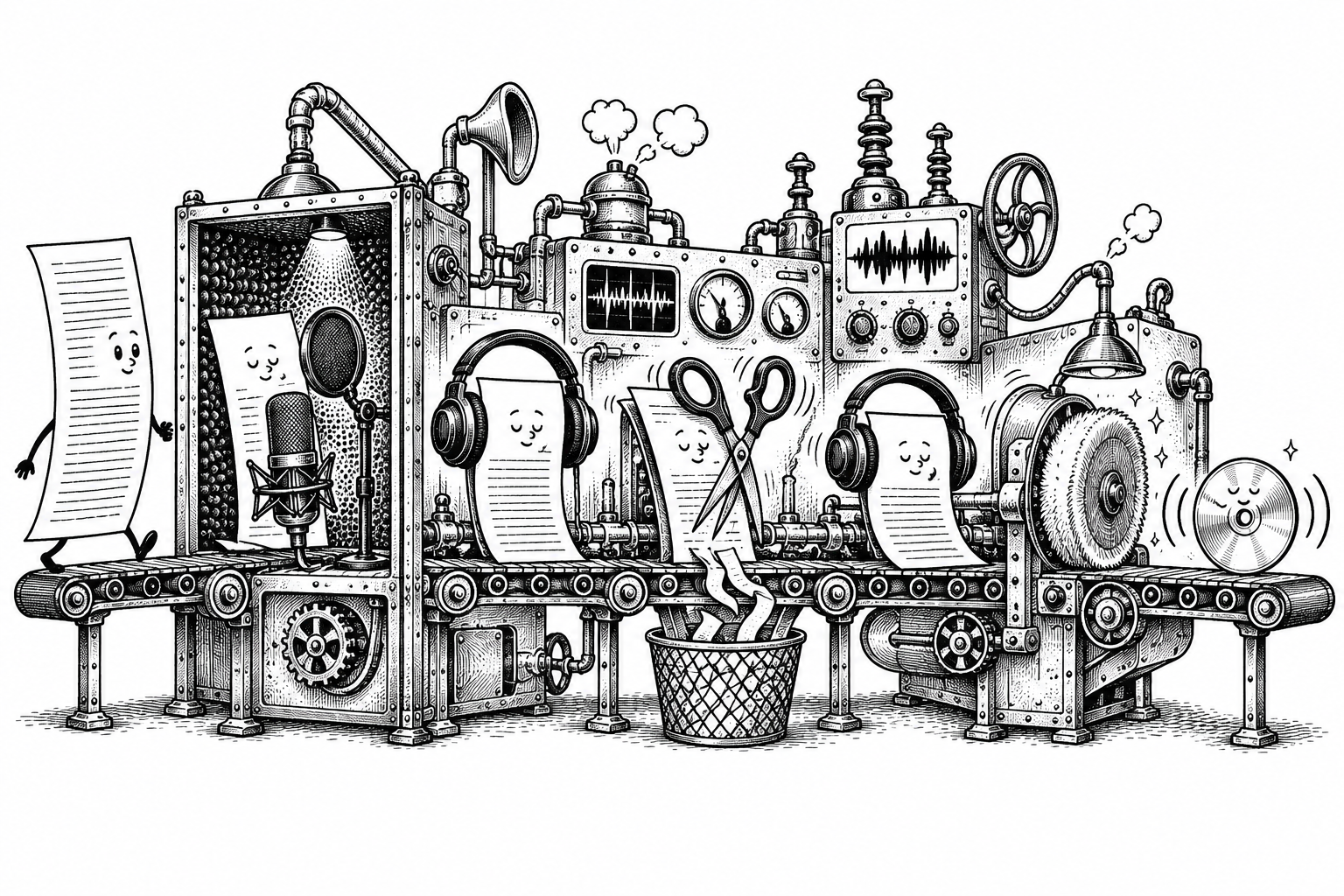
Metadata is the collection of signals that tells a retailer and a reader what a book is: title, subtitle, cover, description, categories, keywords, contributor information and more. It is not glamorous, which is why it is so often handled as though the job were merely to fill every available box before the kettle boils. The reader, unfortunately, will be judging the result.
If your search strategy proves only that you can find your own book, you have created a mirror, not discoverability.
Start with the reader’s ignorance
The author knows the secondary character’s childhood trauma, the symbolic use of a locket and the scene that caused a minor character to fall in love with a particular brand of crisps. None of that helps a reader who has not found the book yet.
The useful question is not “what is special to me?” It is “what might the right reader already know how to look for?” Genre, mood, setting, central threat, premise and the kind of experience promised by the book are all more useful starting points than a detail which matters only after chapter eighteen.
That does not mean reducing every book to a row of tired labels. It means translating the honest commercial heart of the book into language a stranger might actually use. A supernatural thriller can be specific. A Roswell crash landing can be specific. “A meaningful exchange involving a silver spoon in the third act” may be true, but it is not a search strategy.
Relevant visibility beats maximum visibility
The temptation is to borrow every popular phrase within reach. Resist it. A misleading keyword or category may produce a click, but it cannot make the wrong reader enjoy the wrong book. The best outcome is a quick exit. The worse outcome is a disappointed buyer who feels that they were sold something other than the item on the shelf.
Amazon’s current metadata guidance makes the same practical point: keywords and categories should accurately describe the book’s central storyline, rather than create confusing results. This is not moral theatre. It is customer experience. The right reader is valuable; random traffic is merely busy.
Relevant visibility is the job. Maximum visibility is how you end up selling a ghost story to somebody looking for a cookbook.
The title, subtitle and blurb are doing different jobs
The title is often largely settled before anyone starts thinking about retail fields, but it remains an important discovery signal. The subtitle is useful commercial real estate: it can clarify genre, premise or positioning without turning the title itself into a panic-stricken list of adjectives. Keep it truthful. A subtitle that promises one sort of book while the cover and sample deliver another is not clever positioning. It is a short route to distrust.
The blurb is both metadata and sales copy. It is the salesman at the door. It needs to tell the reader enough about the book to make the offer intelligible, then give them a reason to step inside. A description can contain all the correct nouns and still be limp, vague or so generic that it could introduce half the books in the category. Keywords do not resuscitate dead copy.
There is a useful discipline here: ask whether the title, subtitle, cover, blurb, categories and keywords describe broadly the same reading experience. They do not need to repeat one another word for word. They do need to stop arguing in public.
Categories and keywords: use the tools, do not perform a séance
Retailers change the controls, so do not publish permanent numerical advice from an old blog post. At the time of writing, KDP allows up to three categories and says to choose accurate ones in the marketplace where the book will sell. Its current category guidance also recommends researching comparable books and balancing reader interest with relevance. That is sensible advice because it begins with the book that exists, not the book you hope an algorithm will mistake it for.
For keywords, KDP currently allows up to seven words or short phrases and advises publishers to think like readers. Its keyword guidance is useful for the unromantic basics: use logical phrases, check the results you get, avoid terms already covered elsewhere in the metadata and do not borrow somebody else’s name, brand or reputation.
Research the books serving the readers you want. Look at the recurring signals in their covers, subtitles, descriptions, categories and reader-facing language. The goal is not to clone them; it is to understand the shorthand that lets a busy browser recognise the sort of book being offered. Distinctive is good. Incomprehensible is merely distinctive to you.
Wrong traffic can be worse than no traffic
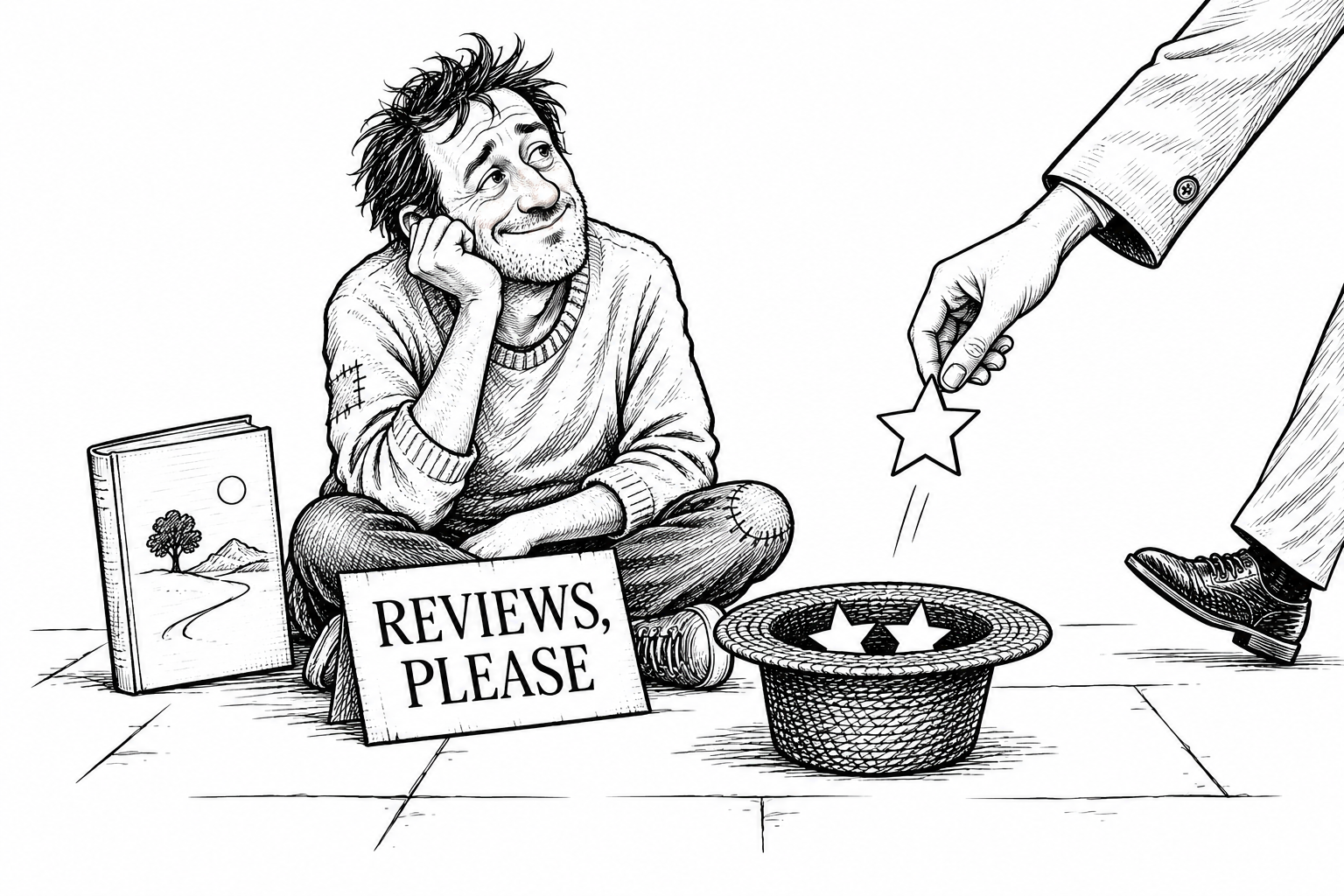
A book that nobody sees cannot sell. A book that reaches the wrong people can sell once and then collect the kind of review that warns the next wrong person away. For an independent author, this matters. A large bestseller may survive a few people feeling they bought the wrong thing. A smaller book has less spare social proof to waste.
That is why accuracy is not the same as commercial usefulness. “Contains a dog” may be accurate. It may also be professionally useless if the dog appears for half a page and nobody buying the book cares. The better test is whether the term describes a central, attractive truth that a potential reader would recognise before they have met the book.
Marketing cannot deodorise a bad product.
When metadata is not the problem
If a book is not selling, metadata is worth examining. It is not automatically guilty. Readers move through a chain: search, listing, cover, blurb, sample or interior, then a purchase decision. A weak cover, awkward typesetting, lifeless opening, poor proofreading or a blurb that promises a different novel can lose the sale after excellent metadata has done its job and brought the right reader to the door.
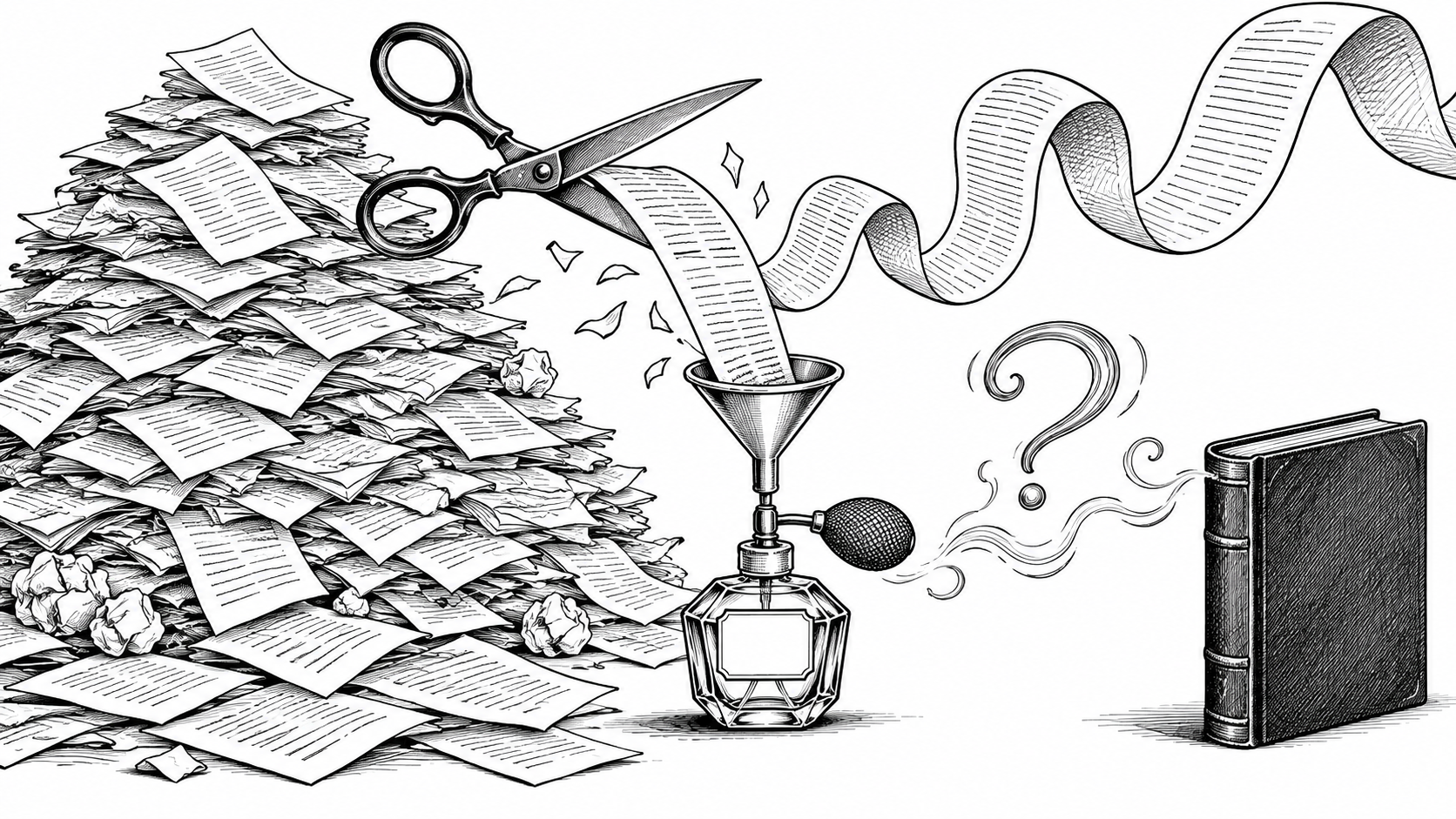
Do not spray perfume at the first unpleasant result and call it diagnosis. Look at the whole package. If several elements need attention, there is no virtue in pretending that changing one field at a time makes you a laboratory. If you overhaul a page, be honest about what you learned: something in the package changed, not necessarily which single checkbox deserved the medal.
Metadata can change. The book should not.
Descriptions, keywords and categories are not sacred tablets. If a book genuinely has a substantial Christmas setting, for example, it can be sensible to foreground that truth during the relevant season and ease it back afterwards. The rule is simple: change the emphasis when the market context changes, but do not change the truth of the product.
Before you publish or revise, take one last outward-facing look. Does the metadata describe what the book actually delivers? Does it foreground the strongest commercial truth rather than a detail you cherish because you wrote it? Would the right reader plausibly search for this language? And do the cover, blurb, sample and metadata agree about the experience on offer?
If you are still working through the larger collection of decisions that turns a manuscript into a saleable book, So You Finished the Book. Now What? is a useful place to start. Then come back to the boxes. They are not exciting, but they are where a reader and a book are introduced.
This article is practical publishing guidance. Retailer requirements, available categories and metadata controls change, so check the current rules for the marketplace and format you are using before making a live update.