

Somewhere in the Barnes & Noble Press dashboard, there is a question most readers will never see. It asks whether generative AI was involved in the text, artwork, images or translation—and whether the result was merely AI-Assisted or fully AI-Created.
That quiet procedural answer is admirably clear. The public answer from Barnes & Noble’s chief executive has been rather more adventurous.
What people reasonably assumed
In May, headlines reported that Barnes & Noble chief executive James Daunt was willing to sell AI-written books. The obvious reading was that America’s largest bookstore chain had opened the door, provided the robot remembered to wear a name badge.
That interpretation was not invented by an excitable subeditor. Daunt said that he had no objection to selling an AI-written book if it was clearly identified, did not pretend to be something else and was something customers wanted to buy. He also acknowledged that, among the hundreds of thousands of titles handled by the chain, AI-written books might already be present without the company knowing.
The policy is clear until somebody asks the chief executive to explain it.
Then came the clarification
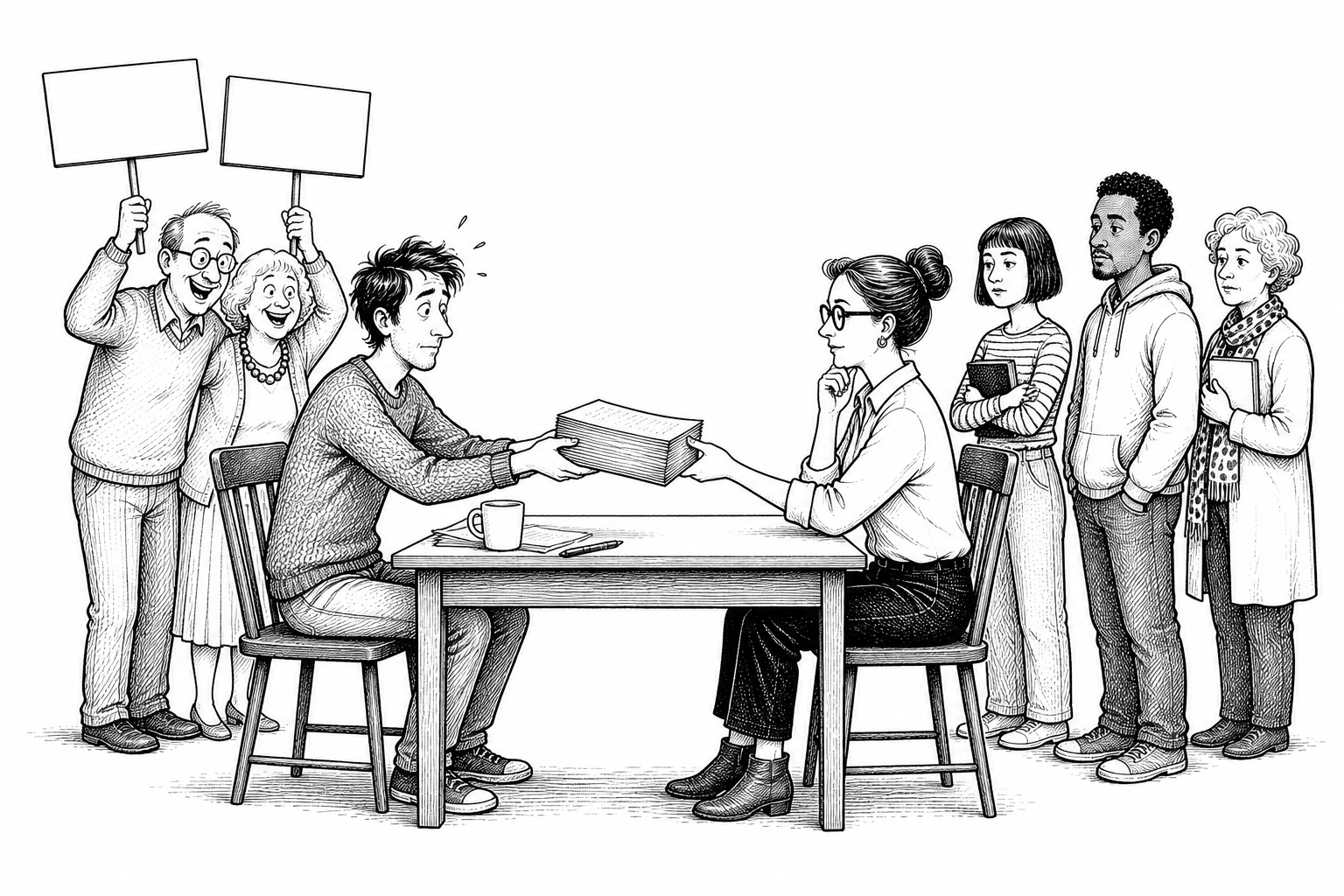
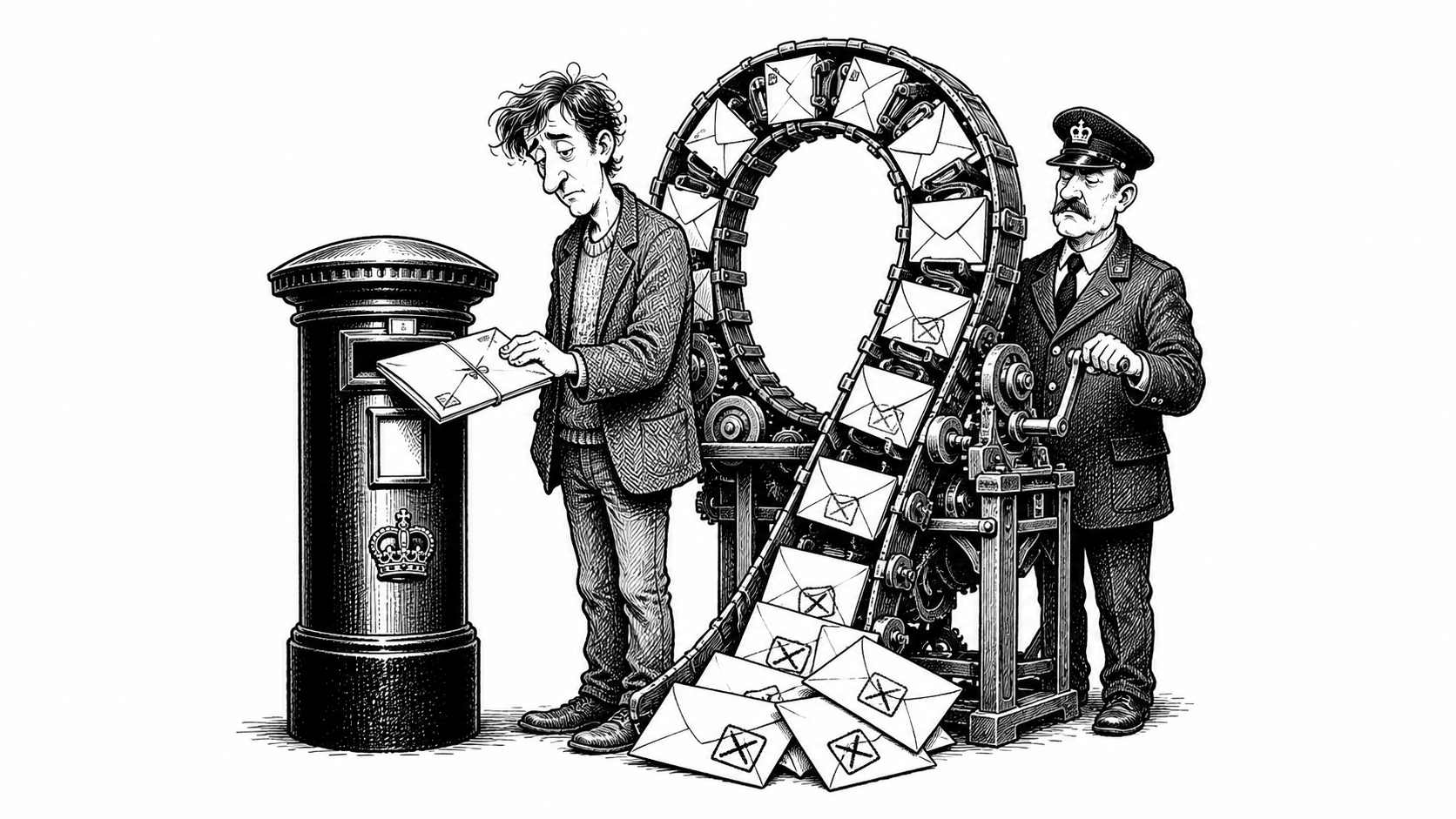
After the remarks produced boycott calls and the sort of online calm traditionally associated with a chip-pan fire, Barnes & Noble issued a clarification. Daunt said the company did not knowingly sell AI books, took active measures to exclude them and regarded its position as a rejection of AI-generated books.
Then, in the same explanation, he preserved the possibility that Barnes & Noble would sell AI-generated books if there were clear demand for them.
That is not so much a reversal as two policies sharing one coat. Barnes & Noble rejects AI books—unless customers want them, they are clearly labelled and the company decides to stock them.
This was not a one-off verbal accident
Daunt had made substantially the same argument months earlier about Waterstones, which he also runs: clearly labelled AI-generated books could be sold if readers wanted them, although he doubted booksellers would place them prominently.
The consistent part of the position is therefore not a ban. It is disclosure, demand and a large amount of discretion left with the retailer. The inconsistent part is describing that position as both a straightforward rejection and a willingness to sell.
Barnes & Noble appears willing to reject AI books right up to the moment it is willing to stock them.
What is actually documented
The dependable part for independent authors is not the television interview or the subsequent clean-up operation. It is the current Barnes & Noble Press submission rule.
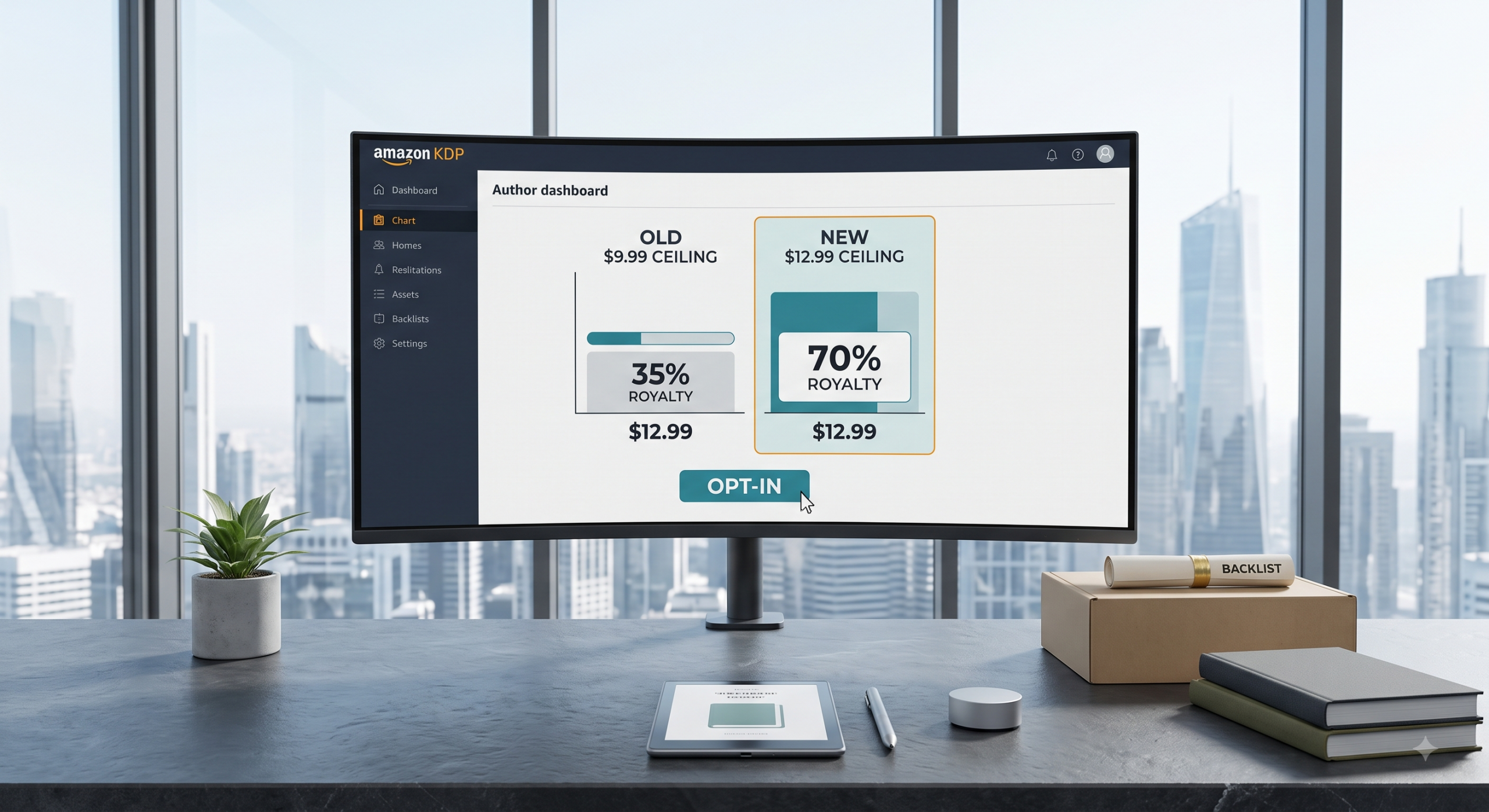
Authors using Barnes & Noble Press must disclose generative-AI use during the Build-a-Book process. The form distinguishes between AI-assisted work—where a person created the work and used AI as part of the process—and AI-created material generated by the system itself. The disclosure applies to text, artwork, images and translations.
That requirement exists now. It does not depend on Daunt completing the difficult intellectual journey from one end of his own sentence to the other.
What this means for authors
If you publish through Barnes & Noble Press, answer the disclosure questions accurately and keep a record of how AI was used. A cover concept refined by a human designer, machine-generated artwork used as supplied and an entirely machine-produced translation are not automatically the same thing. The upload system already asks you to distinguish them.
Do not treat one retailer’s policy as a passport accepted everywhere else. Retailers, distributors and aggregators make their own rules, use different definitions and change them with the confidence of people who will not be reformatting your files afterwards.
And do not claim that Barnes & Noble has either welcomed or banned AI-written books. The public record supports neither tidy version. The company requires disclosure from self-publishers; its chief executive says it does not knowingly sell AI books; and he has repeatedly left open the possibility that it will sell them when demand exists.
The useful answer, such as it is
Barnes & Noble’s operational policy is disclosure. Its retail position is selective, conditional and apparently still being explained. Authors can work with the first. The second may require another press statement, a diagram and perhaps a quiet lie-down.
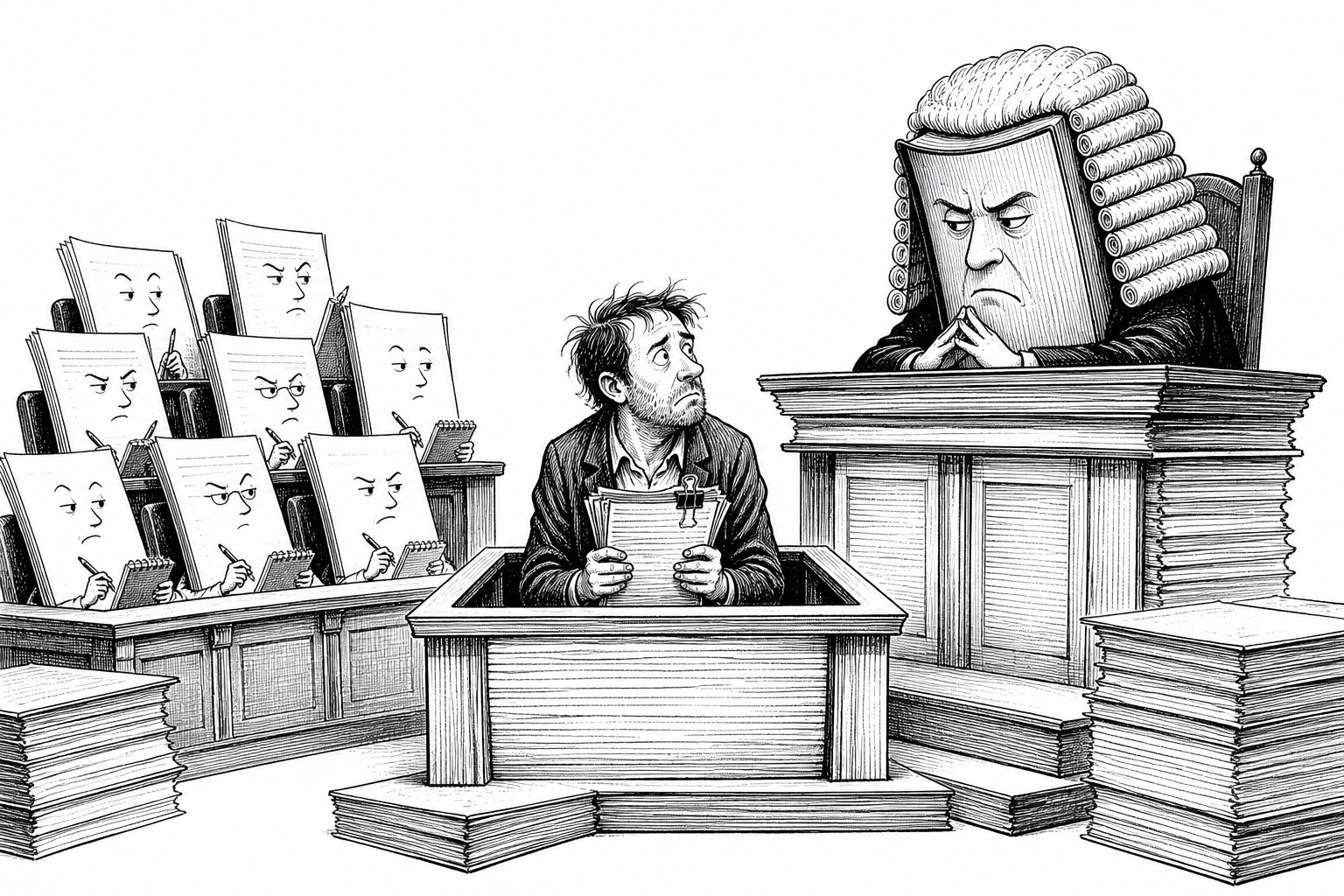
If you are following the wider argument about AI and publishing, the distinction matters: a retailer deciding what it will stock is separate from the legal fight over whether AI companies were entitled to train on published books in the first place.
Sources: Barnes & Noble Press—Use of Generative AI in Your Project; USA Today—Barnes & Noble CEO on selling AI-written books; Fortune—Barnes & Noble clarifies its position; BBC—Waterstones and AI-generated books.



Leave a Reply