

Before you buy an advert, commission a trailer or make a teaser graphic that took three evenings and a small emotional collapse, decide what you are actually asking a reader to want.
That is positioning. It is not a plot summary in a nicer jacket, and it is definitely not a promise that your novel will suit every person with a pulse and a Kindle. It is the commercial expression of the most marketable truth about the book: the experience it offers, the reader it is for and the reason that reader should care.
Get that clear before launch and your cover, blurb and campaign have a fighting chance of behaving like colleagues rather than three strangers arguing in a lift.
Start with the book, not the campaign
Positioning begins with knowing the novel inside out: its themes, tone, emotional promise, visual language and likely audience. Not the version of it you wish you had written after two coffees and a scroll through everyone else’s launch graphics. The version that is genuinely there.
Ask a few blunt questions:
- Who is this for? Not “readers”. They have been notoriously hard to narrow down.
- What experience does it promise? Escape, dread, warmth, jeopardy, recognition, mischief?
- What genre signals should a reader recognise? The signals need to be truthful, not fashionable for fifteen minutes.
- What would make the right reader stop and look twice?
If you have not settled the reader and the promise, your campaign will end up trying to sell every subplot, every colour and the fact that you once spent a very productive afternoon researching ornamental keys. Useful perhaps. Positioning, no.
Our guide to working out your novel’s genre and reader is a useful companion here. You cannot make a clear promise until you know who is meant to hear it.
Find one hook that can do some work
A novel can contain ten good reasons to read it. A campaign usually needs one strong reason to begin. The central hook might be a premise, a relationship, an atmosphere, a moral dilemma, a setting or a particular kind of emotional ride. It does not have to be the largest element in the manuscript. It does have to be true, distinctive and capable of carrying an image or a strapline without pretending the book is something else.
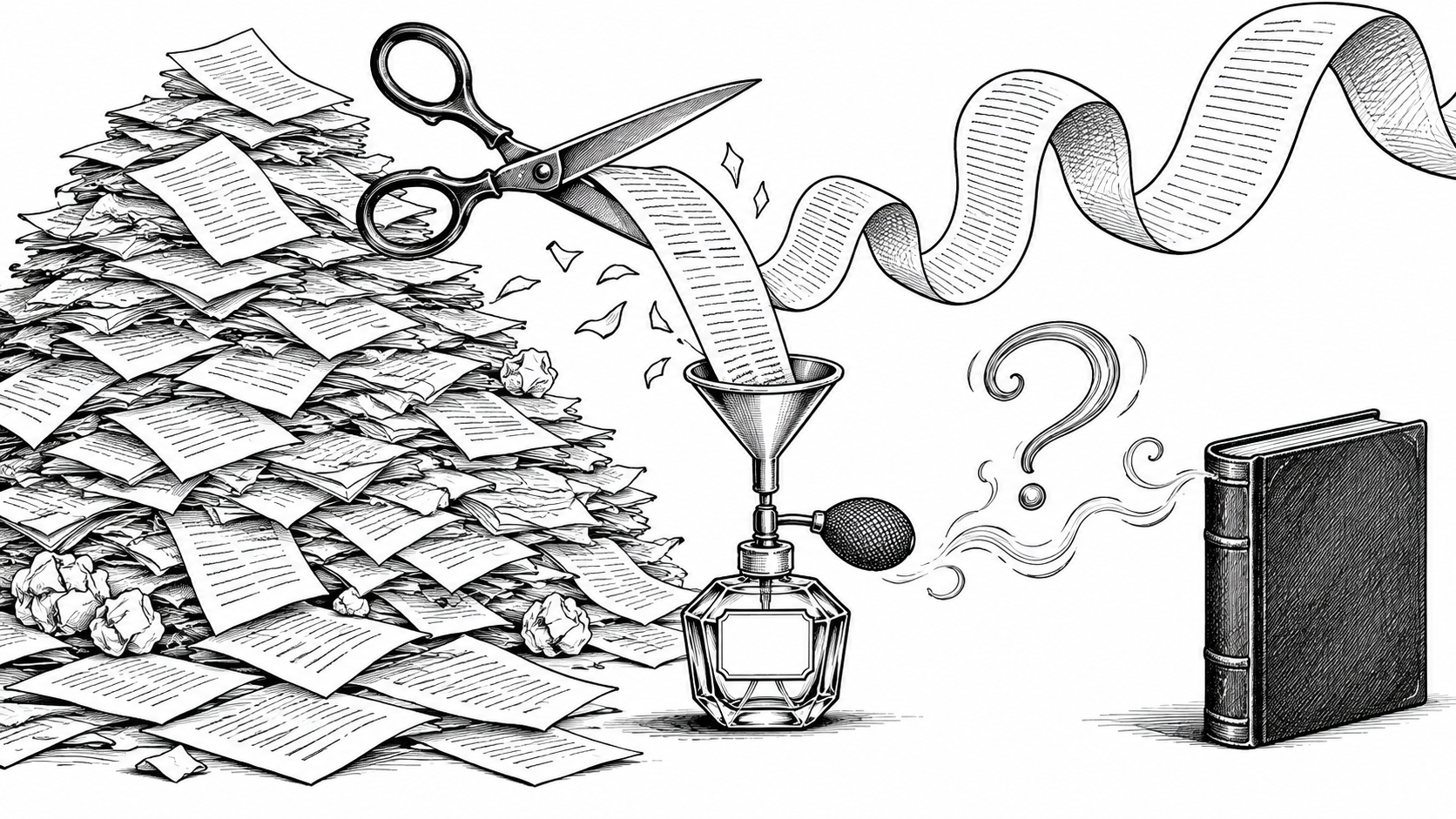
You do not market the whole book. You market the most marketable truth about the book.
Put a possible hook through a small stress test. Does it matter to the intended reader? Can it become visual? Can it produce more than one advert or strapline? Could you keep using it for a campaign without misrepresenting the story? If the answer is no, it may be a lovely detail rather than a useful positioning idea.
This is also why named “comparables” are not a magical spell. They can be useful when they are real and genuinely illuminating, but they are not a substitute for knowing your own book. If you do not have a sound comparison, do not bolt one on like a decorative spoiler.
Make the whole conversion path tell the same story
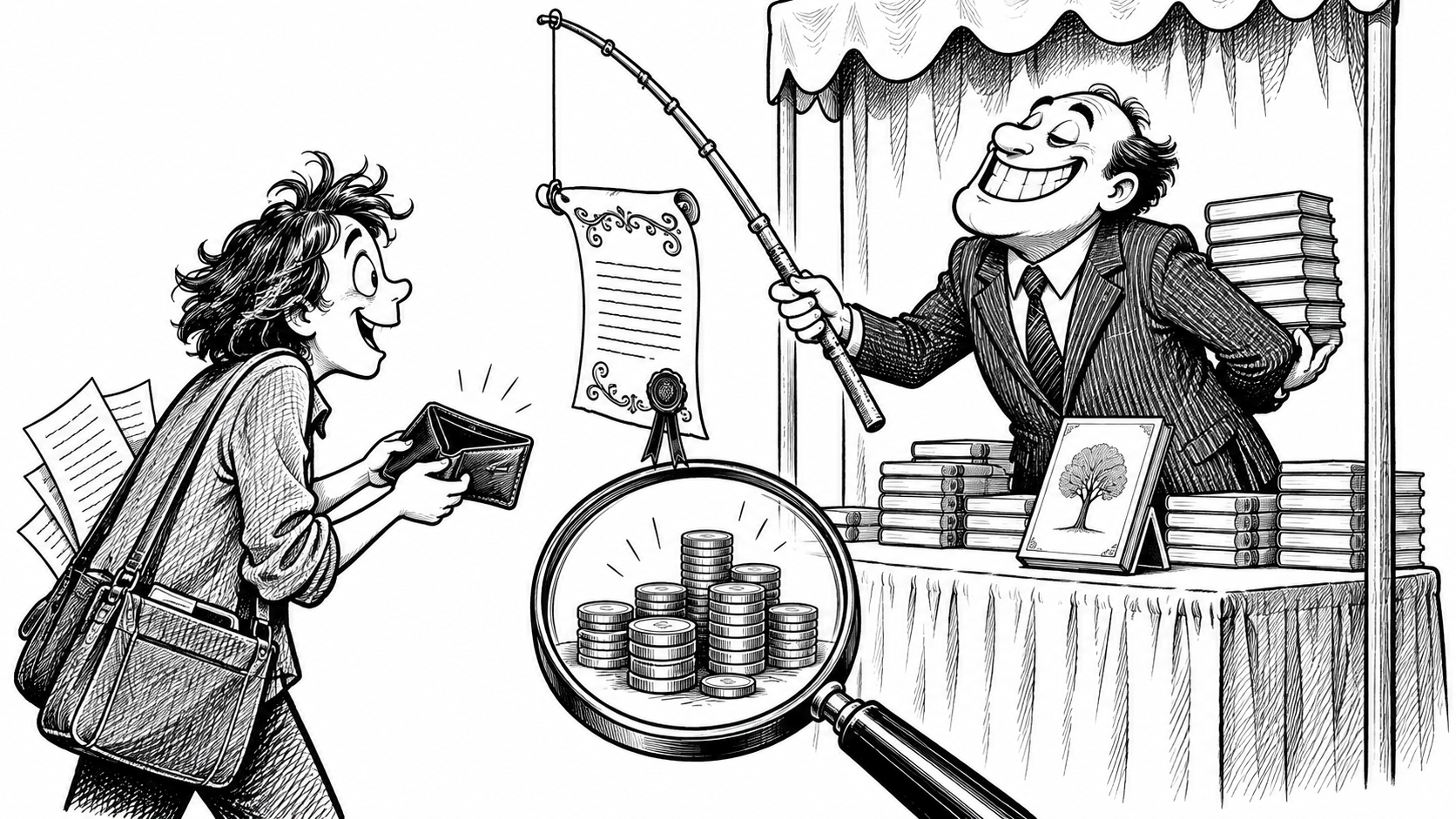
An advert has one job: earn attention from the right reader. The cover, blurb and retailer page then have to confirm that the attention was deserved. A click is not a sale; it is merely the reader agreeing to inspect the evidence.
Imagine a campaign that promises a taut psychological thriller, then sends the reader to a cover whose stripped-back colours and layout suggest a grammar textbook or a lecture programme. The advert may still get the click. The product page has quietly told the reader to distrust it. That is how you pay for interest and receive suspicion.
The goal is not rigid sameness. A single-book campaign does not have the decades of repetition available to a giant brand. It does need recognisable alignment: the hook, visual language, cover and blurb should all point toward the same experience. If one of them is selling a different book, fix the mismatch before increasing the budget.
Test the promise before you marry it
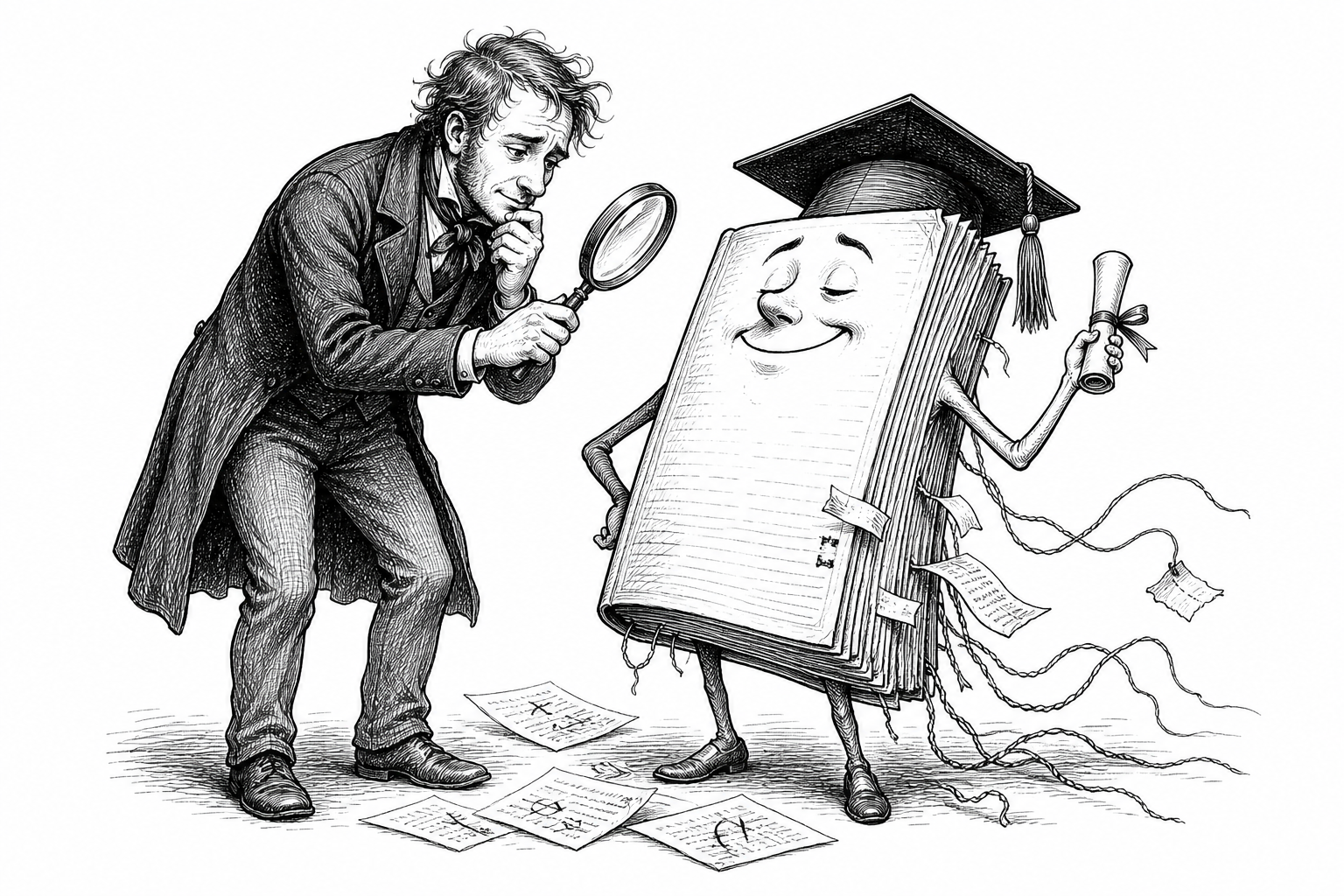
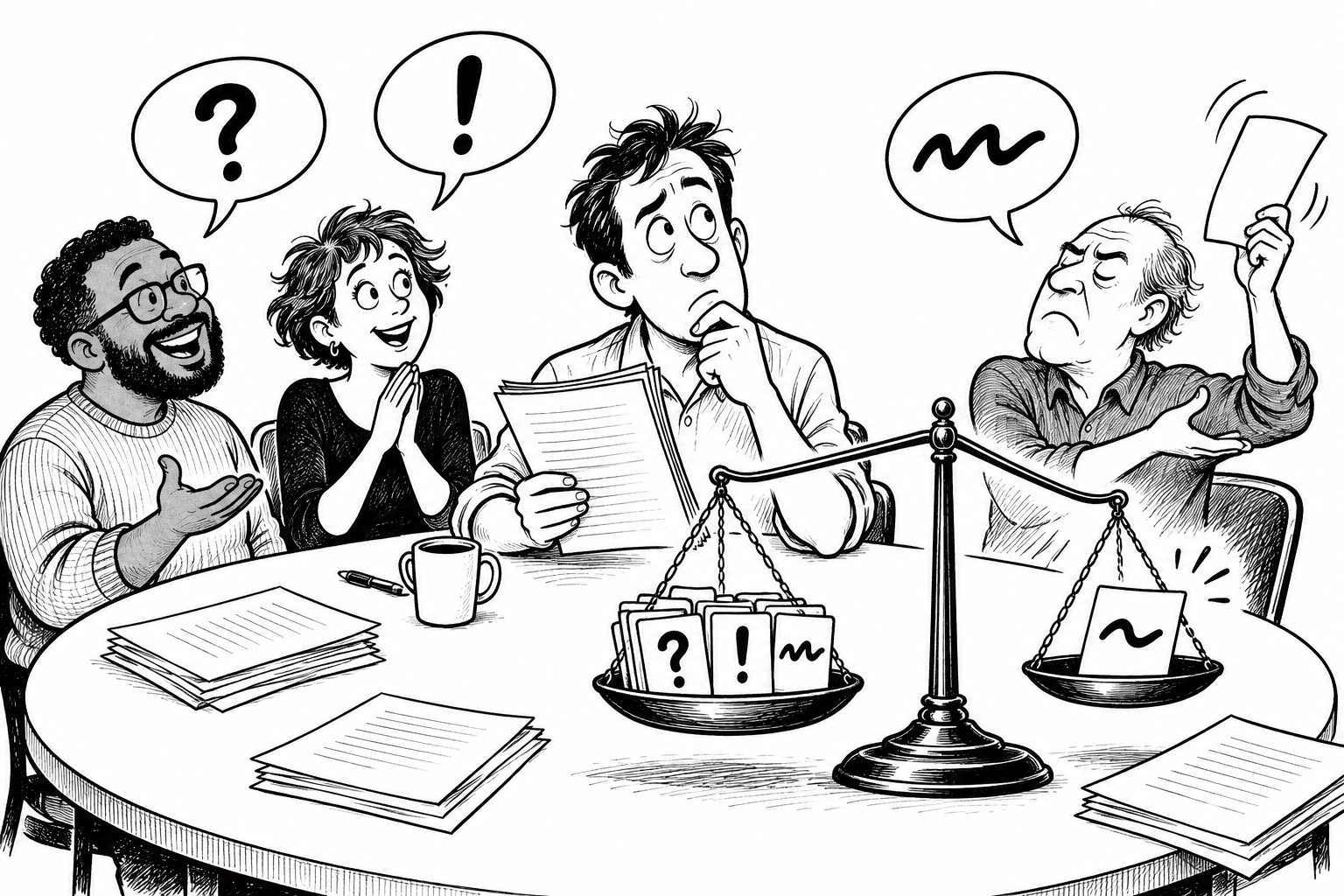
Authors are allowed to love a creative idea. They are not allowed to confuse that affection with evidence. Test the pieces you can test: reader reaction, beta readers, focus groups, cover options, blurbs, straplines and teaser images. Later, live campaign response can tell you more. The point is not to make every decision by committee; it is to stop one cherished hunch becoming the only witness for the defence.
Begin as soon as there is something meaningful to test. Campaign thinking can run alongside the writing, provided it does not bend the story out of shape. Early assets should lean on durable elements—atmosphere, world, tone, character, premise and imagery that are unlikely to vanish in the next structural edit.
Keep the campaign recognisably about the same book, but test several truthful ways of introducing it.
Settle the assets that unlock everything else
The blurb is often the first asset worth getting into good shape. Once it is stable enough, it can support preorder and retailer pages, your website, Goodreads information and the early materials that need to describe the book consistently. A strapline and supporting visual language can develop alongside it.
That does not mean every asset must be frozen in amber. Covers can change late, particularly in digital and print-on-demand publishing. If testing says your chosen cover or campaign angle is sending the wrong signal, revision is not betrayal. It is called noticing.
When the manuscript is ready to enter its next practical phase, what to do after finishing the book helps put that wider publishing sequence in order.
Avoid the positioning traps
- Trying to appeal to everyone: it weakens the signal for the people most likely to care.
- Treating the campaign as a literal inventory: readers need the promise of the experience, not every prop in the manuscript.
- Using the wrong genre signal: the wrong readers arrive, the right readers pass by, and nobody has a particularly good time.
- Letting advert, cover and blurb contradict each other: clicks do not compensate for a broken handover.
- Promoting a fragile manuscript detail too early: a major edit should not leave your campaign advertising a ghost.
Know when coherent is good enough
There is no celestial trumpet that announces your positioning is perfect. There is a practical point at which the book’s hook, audience, cover, blurb and campaign are coherent; the major contradictions have been dealt with; and either informed judgement or the launch deadline says it is time to go.
At that point, stop fiddling and launch the honest, compelling version of the promise you have made. You can keep learning from reader response. You can test new images and straplines. What you should not do is spend six more weeks attempting to market a book to everyone, everywhere, for every imaginable reason. That way lies a very pretty campaign and a reader who still has no idea what they are being invited to read.












Leave a Reply