
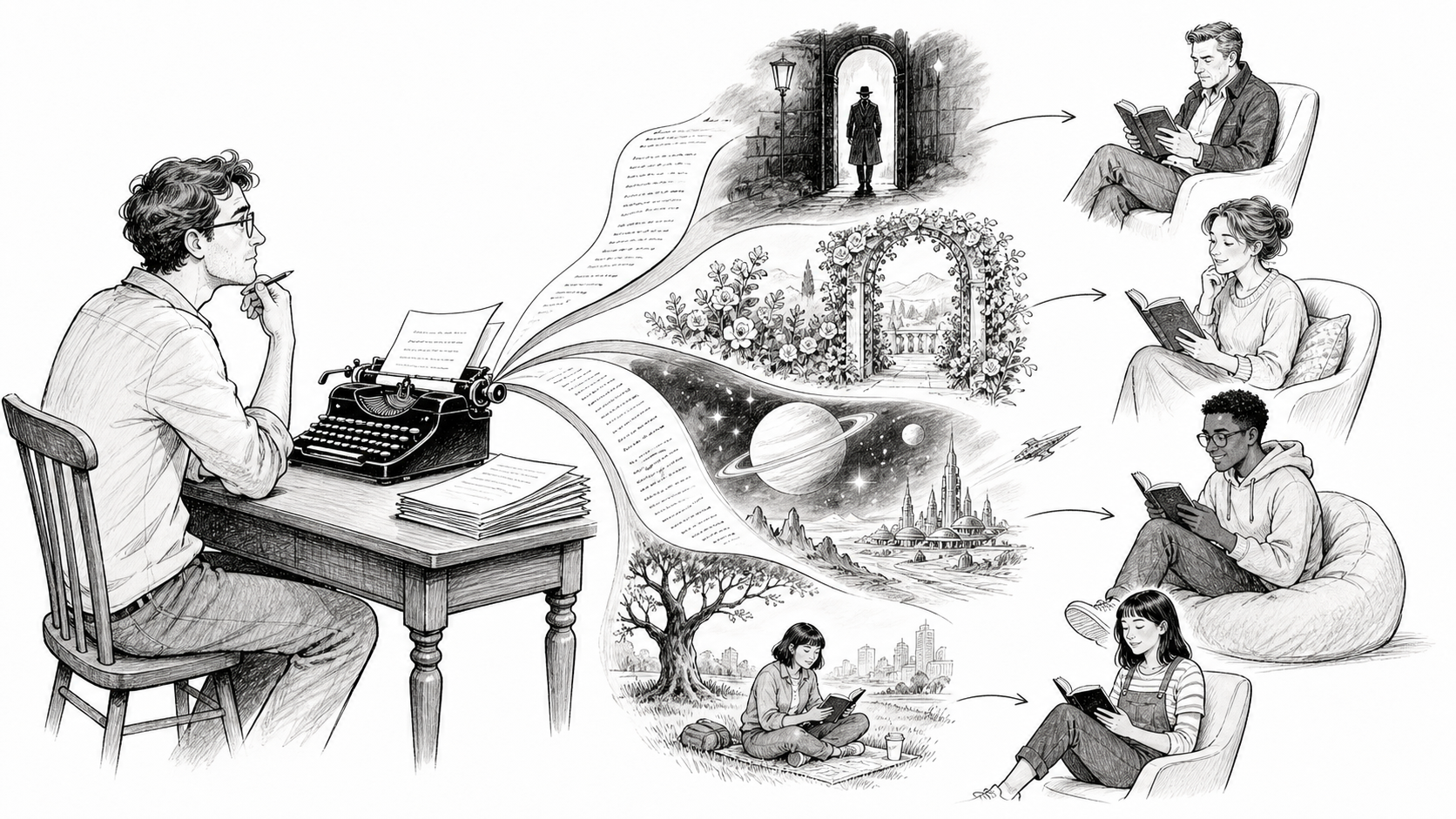
You probably know what genre your novel is. At least approximately. If it begins with a corpse, a detective and several people lying about Tuesday evening, the chances are you have not accidentally written a gardening manual.
The difficulty arrives when the book refuses to stay politely inside one box—or when the author has spent so long writing the thing that asking who is this for? feels suspiciously like a marketing department interrupting the creative process with a clipboard.
Genre and audience are not administrative decorations added after the book is finished. They affect what readers expect, how the book is packaged, where it is sold and whether the right person recognises it as something they might enjoy. They do not have to dictate every creative decision. But pretending they do not exist is not artistic purity. It is usually expensive confusion.
Most writers begin with a general idea
Writers do not all begin by completing a demographic worksheet and solemnly selecting a retail category. Often, they begin because a story demands to be written. As we explain in our complete guide to starting, writing and publishing a book, the creative journey rarely behaves like a tidy production line.
You will usually have a broad sense of the territory. You fancy writing a thriller, a romance, a horror novel or something speculative. An outliner may establish that territory quite deliberately. A pantser may set off in one direction and discover, several chapters later, that the novel has quietly packed a bag and moved elsewhere.
That is not necessarily a failure. One of the pleasures of writing without a rigid outline is allowing the book to metamorphose. The genre can become clearer as the story reveals what it actually wants to be. The important thing is to notice what happened rather than continuing to market the book you thought you were writing.
The book may change while you write it. Your responsibility is to recognise the book that finally arrived.
Who are you writing for?
For many first-time writers, the honest answer is: I am writing the book I need to write and assume it will find its people later. That is not unusual. Creativity is rarely improved by imagining twelve customer profiles peering over your shoulder while you try to write chapter three.
But the question becomes more important as the manuscript develops. A working author—especially an author who is also the publisher—eventually has to think beyond expression. Who is likely to enjoy this? What do those readers expect? What might repel them? What kind of promise does the book make?
Experience makes this less contrived. Once you have published several books, you generally know who buys them. You know the broad age range, the preferences that recur and the things readers associate with your work. That knowledge does not mean writing by committee. It means understanding the relationship you already have with the people paying for the books.
Genre is a promise, not a prison
Readers use genre as shorthand. It tells them what sort of experience is being offered. A psychological thriller makes one promise; a cosy mystery makes another. Both may contain crime, secrets and deeply suspicious tea, but they do not create the same expectation.
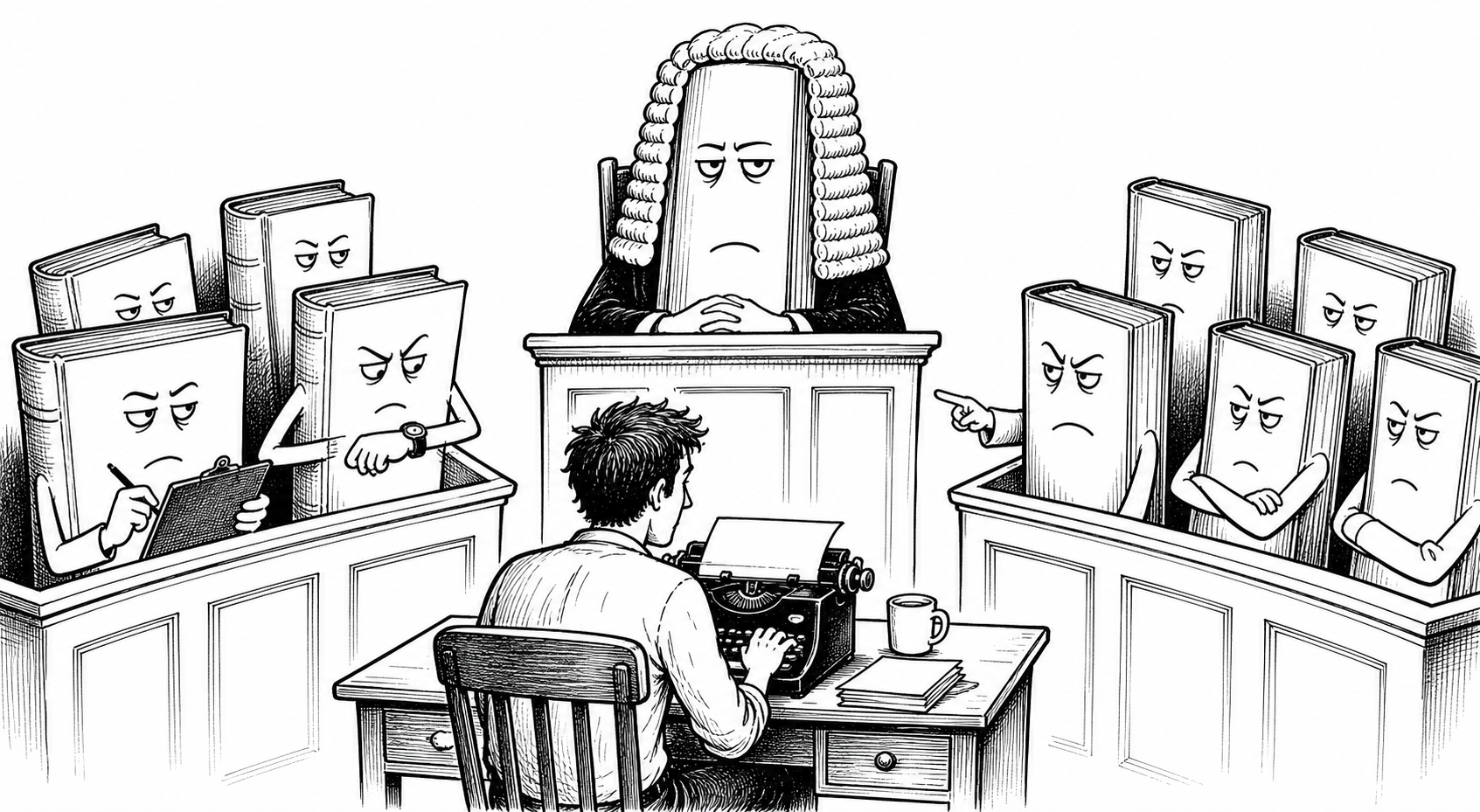
This is why a book can be good and still attract furious reviews. If the cover, blurb and campaign promise one experience while the manuscript delivers another, readers feel deceived. Genre whiplash is not cured by explaining that the book is deliberately difficult to classify. The reader has already paid and is now composing a paragraph beginning, “This was not what I expected.”
Cross-genre fiction is perfectly legitimate. The job is to decide which elements dominate and then signal the combination honestly. If a supernatural love story becomes a brutal thriller halfway through, the marketing must prepare readers for both ingredients rather than hiding one behind the sofa.
Genre is not there to restrict the story. It is there to stop the reader ordering steak and receiving blancmange.
Your existing readers will notice a departure
An established author can move into another genre. The practical question is not whether permission exists. It is how far the author can move without damaging the income that supports the next book.
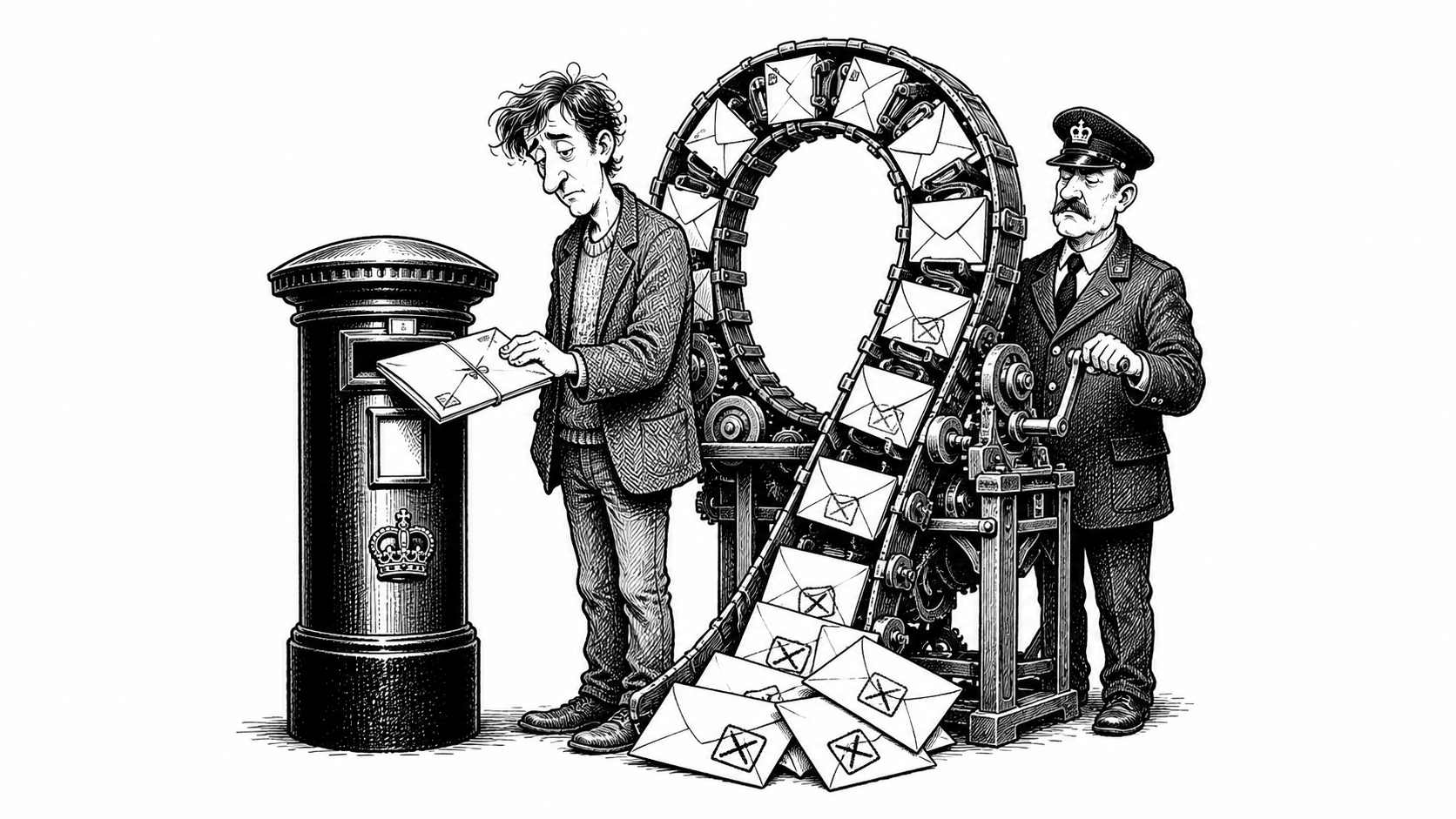
A readership built around legal thrillers will not automatically follow its favourite author into a futuristic dystopian romance. Some will. Others simply do not enjoy that genre, however loyal they are. The correct response is not to conceal the departure and hope nobody notices until chapter eight.
Signal it clearly from the beginning: cover, description, advance material and campaign. Readers are not an obstacle to artistic adventure. They are the people the adventure is being offered to. If the new book is different, tell them.
Commercial thinking is not a moral failure
If you write purely for pleasure, commercial positioning may not matter. Write the exact book you want, distribute it to three appreciative relatives and enjoy yourself. That is a perfectly respectable objective.
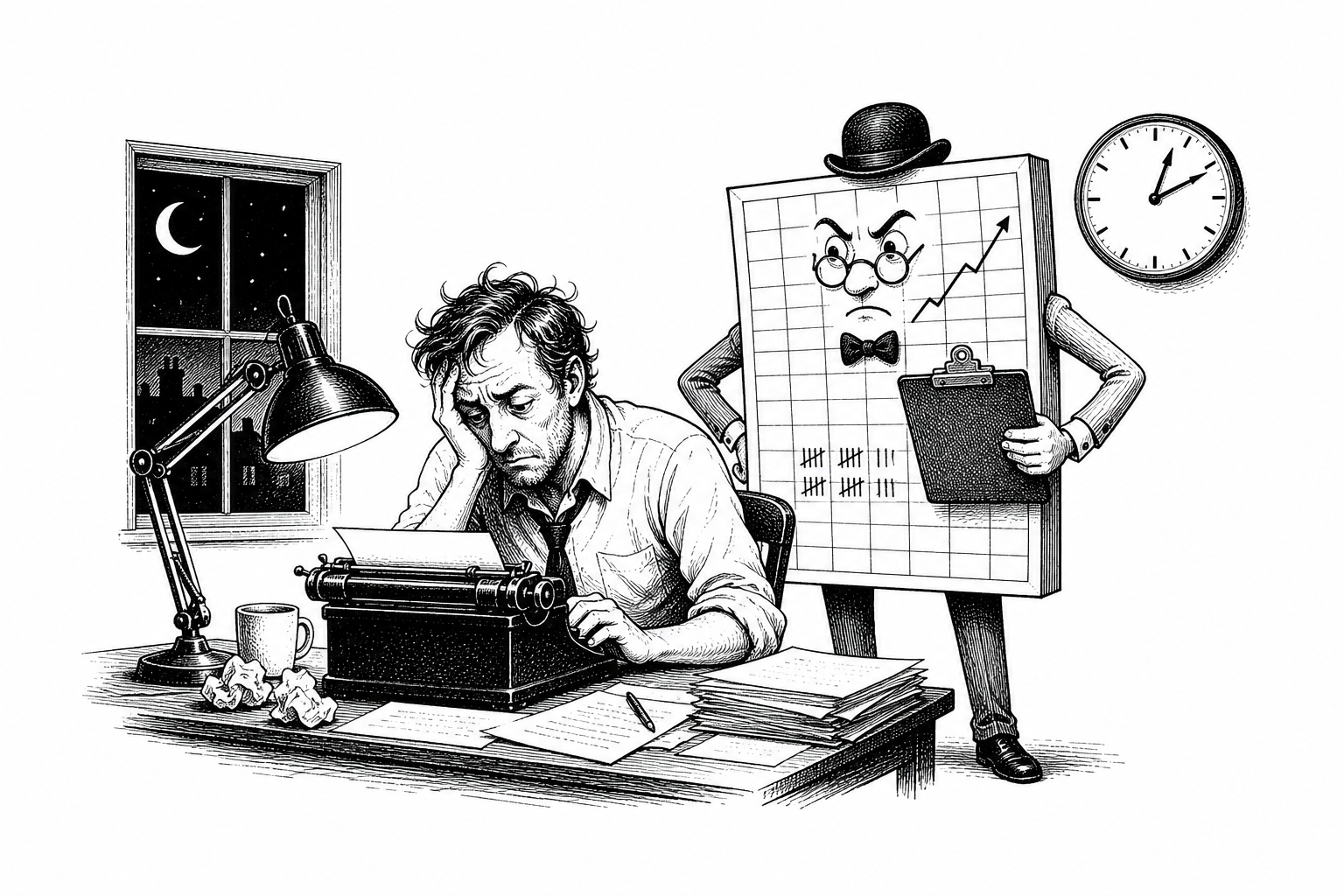
If you expect writing to pay, the calculation changes. Publishers have bills. Independent authors have bills with fewer departments available to blame. A commercially successful genre can fund the time needed to write the next book. That does not mean chasing every trend or sanding every difficult idea into beige paste. It means acknowledging that readers, sales and income are part of professional publishing.
Creative principle and commercial sense are not automatically enemies. Most of the time, the author is not standing at a dramatic crossroads choosing between artistic integrity and lunch. The useful question is narrower: does this particular decision make the book harder to position, and is it important enough to justify that cost?
Comparable books help readers recognise yours
Comparable books are not an admission that you copied somebody. They are coordinates. They help publishers, designers, retailers and readers understand where the novel sits.
The same logic applies to book-cover design. A cover can be wonderfully original and still fail if it contains none of the signals that help the intended reader recognise the genre. Familiarity gets the glance; distinction earns the second look.
Study books that serve a similar audience. Look at their tone, packaging, descriptions and the expectations they establish. The objective is not to produce a derivative copy. It is to understand the visual and verbal language already being spoken before insisting everybody learn your private dialect.
What if you genuinely do not know?
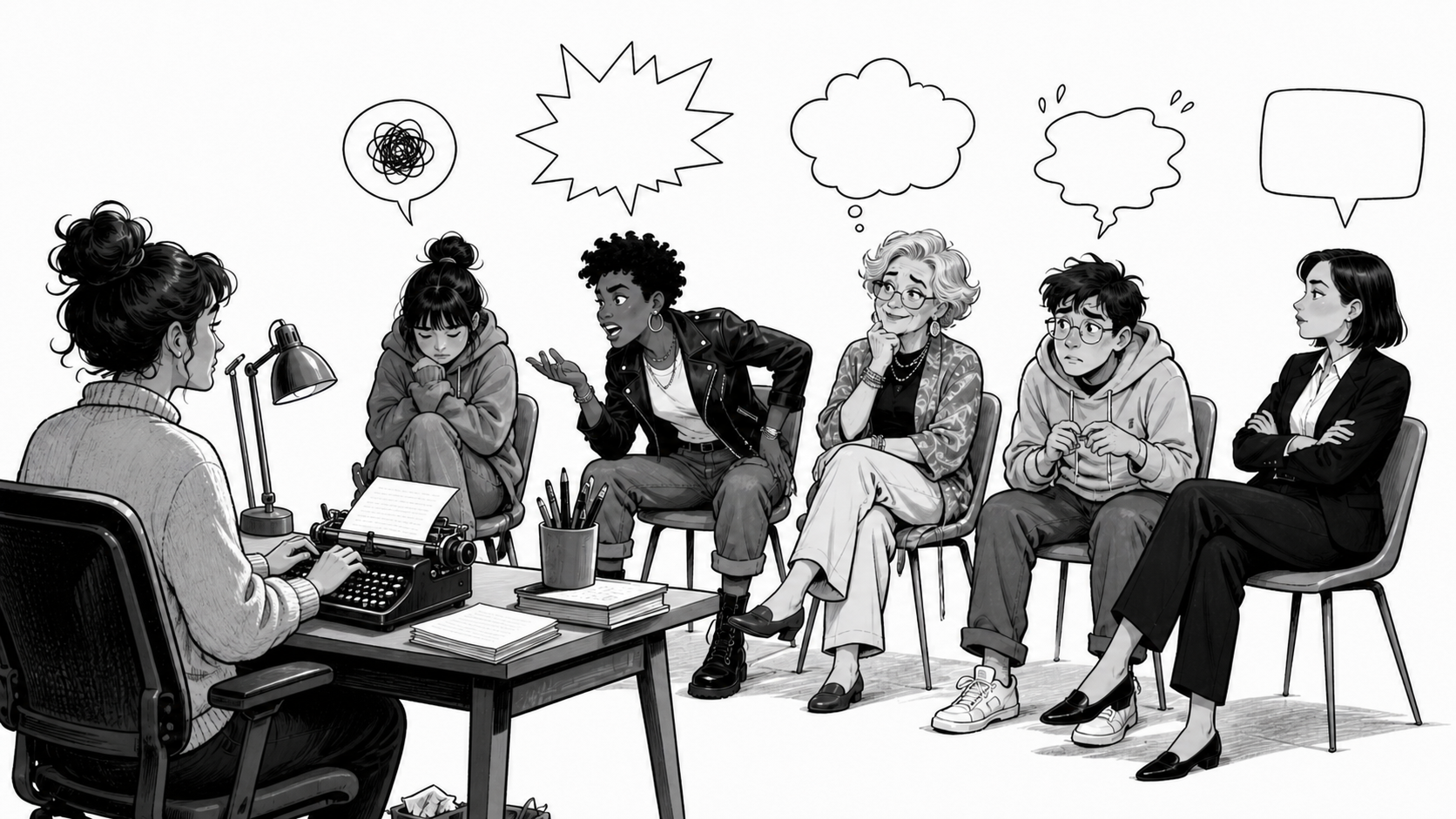
If the manuscript is finished and you genuinely cannot identify its genre or audience, stop guessing alone. Give it to suitable readers and ask direct questions. What kind of book did they believe they were reading? Which readers would enjoy it? Which shelf would they expect to find it on? Did the tone and ending fulfil the promise made at the beginning?
A focus group can be especially useful here. If several readers independently place the book in the same category, the answer is beginning to reveal itself. If every reader gives a different answer, that is also useful evidence. The manuscript or its positioning may be sending six invitations to six different parties.
Genre tells readers what door they are opening
You do not need to begin every novel with a marketing plan tattooed on the inside of your eyelids. You do need to understand, by the time the book reaches the market, what experience it offers and who is most likely to want it.
Let the story evolve. Cross boundaries when the book requires it. Write outside your established lane if the creative and commercial calculation makes sense. Then package the result honestly, signal the departure and make it easy for the right reader to recognise it.
The genre is not the novel. The audience is not the author’s master. But both are part of the agreement between the book and the person considering whether to spend money and several hours of life on it. That agreement deserves more thought than “they’ll work it out.”







Leave a Reply