So you are thinking of writing a book.
This may have begun with a character, a scene, a subject you cannot stop thinking about or the quiet conviction that the bookshops have somehow been managing without your contribution. However it arrived, the idea is now sitting in your head, occupying useful space and demanding to know what happens next.
The short answer is: quite a lot.
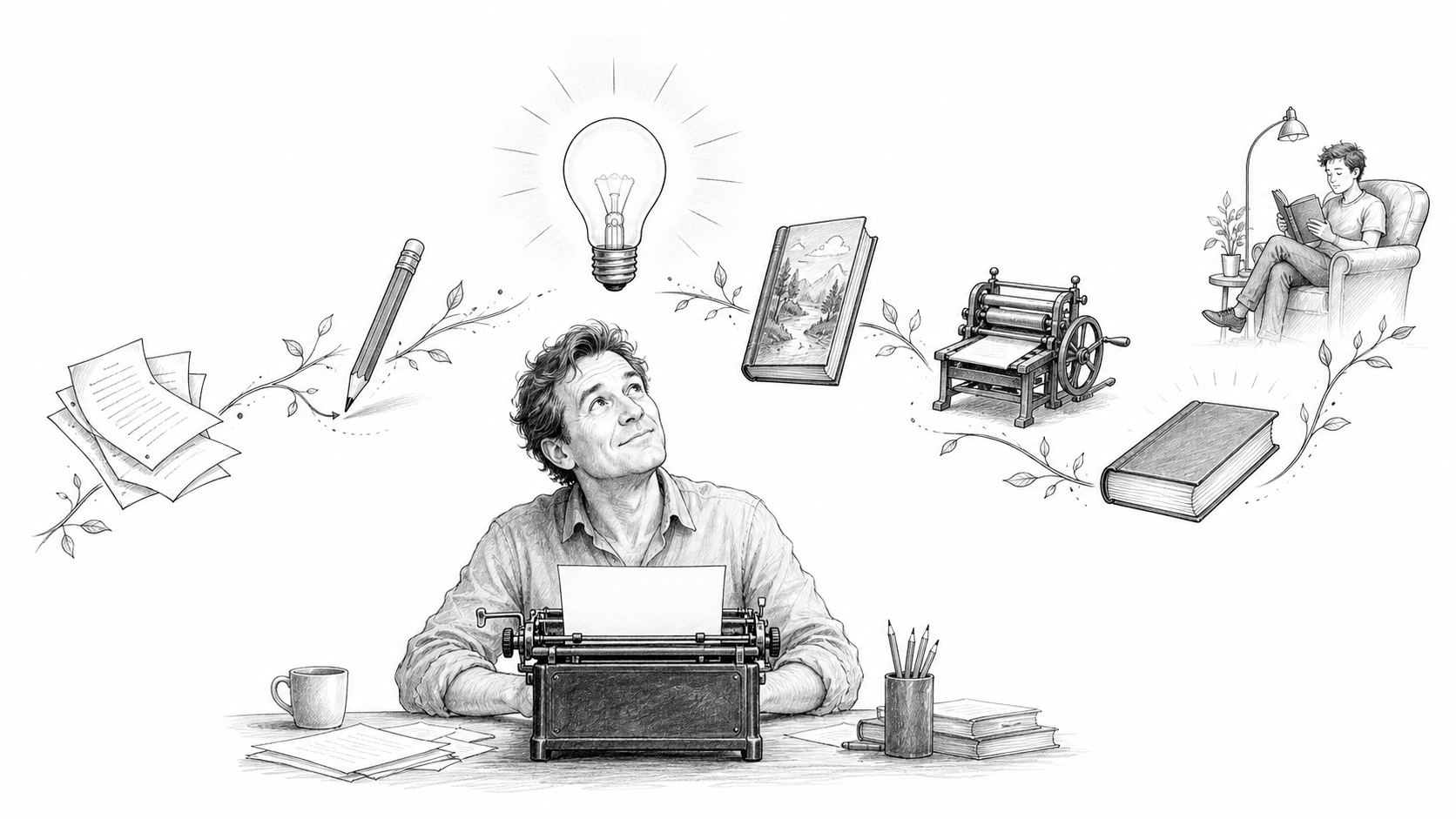
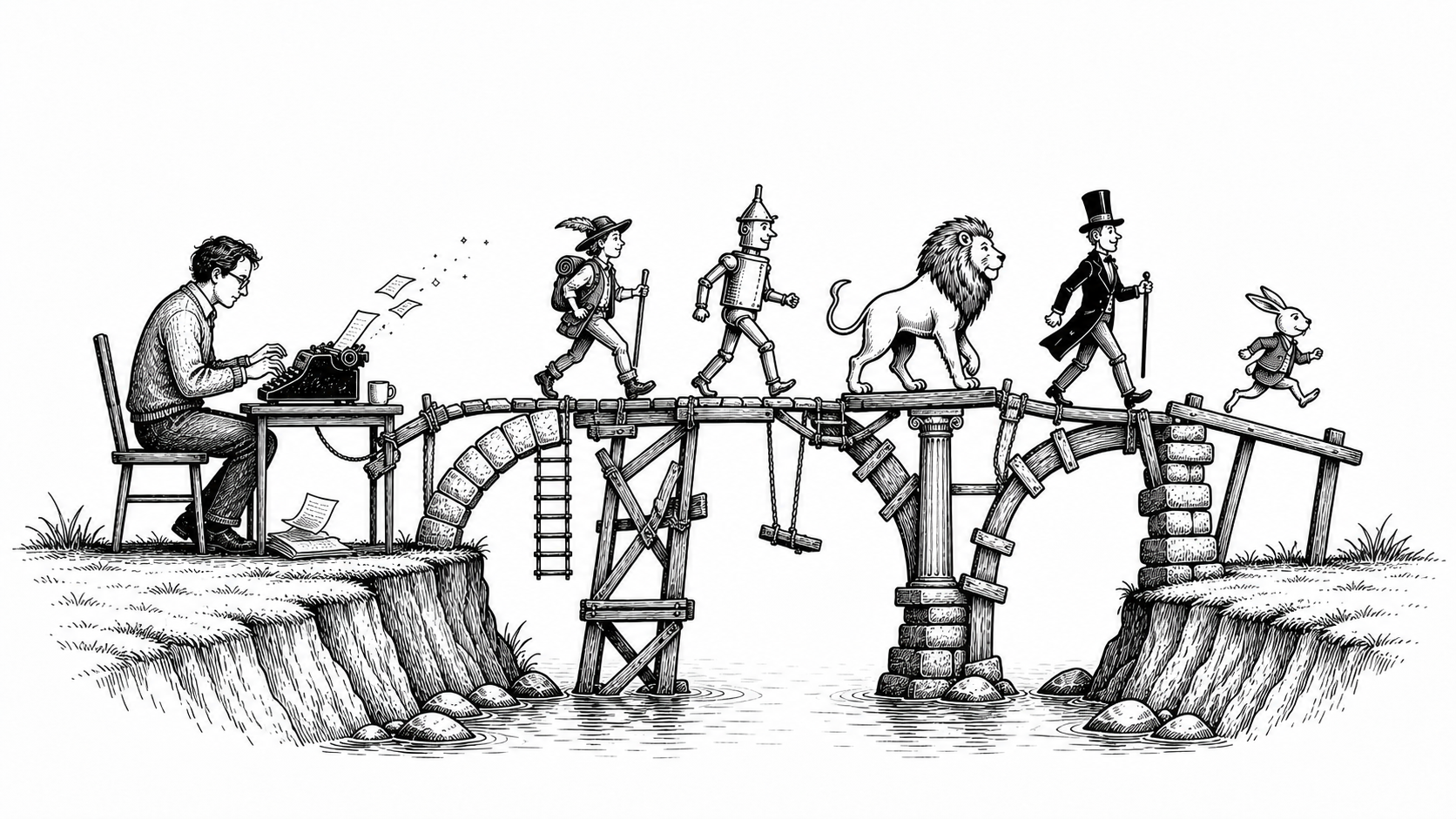
A book travels through more departments than most new writers realise. There is the idea, the writing, the revision, the editing, the design, the production, the publishing, the distribution and the small matter of persuading somebody who is not related to you to buy it. None of that means you should abandon the idea and take up something restful, such as crocodile dentistry. It means the journey becomes considerably less alarming once you can see the road.
Writing a book is one job. Publishing it introduces you to an entire building full of other jobs.
First, is your idea really a novel?
A brilliant scene is not necessarily a novel. Neither is an interesting character, a clever twist or the dream you had after eating cheese at an irresponsible hour. They may be the beginning of one, but a novel needs enough conflict, movement and consequence to sustain a reader for considerably longer than the time it takes to admire the premise.
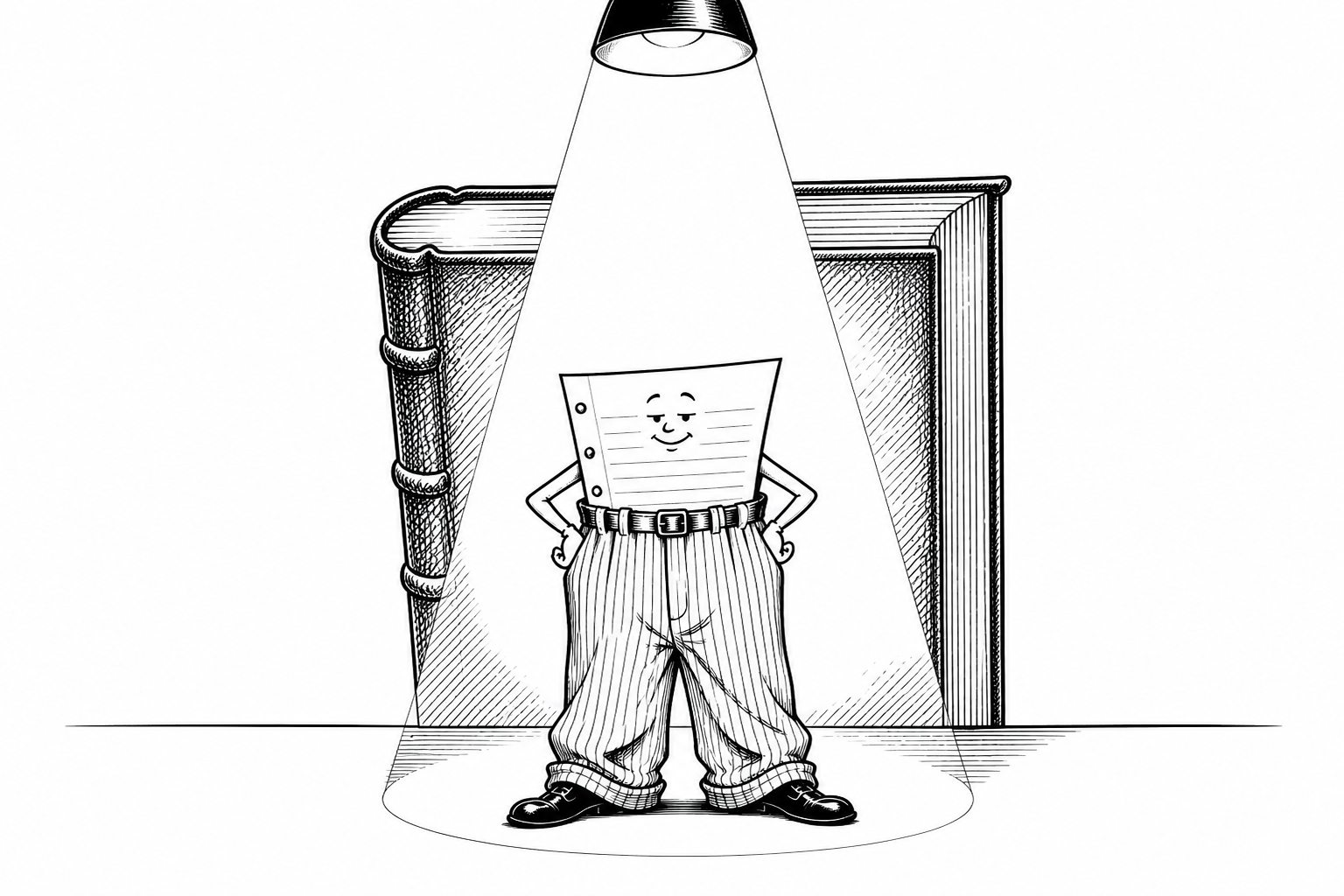
The first useful step is to ask whether your idea is really a novel, or one very good scene wearing ambitious trousers. What changes? Who wants what? What prevents them getting it? What becomes worse when they try? If the idea can generate complications rather than merely survive description, it may have the legs for a book.
You do not need to know every event yet. You do need the sense that opening one door reveals another door rather than the back wall of the building.
Decide what kind of promise you are making
Genre is not a cage, despite the impressive number of people selling instructions for decorating it. It is a promise. A crime reader, a romance reader and a horror reader arrive with different expectations about the kind of experience they have bought.
That does not mean writing by committee or assembling a story from market-approved parts. It means knowing who the book is for, what emotional territory it occupies and what other books might sit beside it without everybody becoming visibly uncomfortable. Those decisions will later affect the title, cover, description, categories, pricing and how readers find the thing. Making them early saves a great deal of retrospective swearing.
Do you need to outline it?
At this point, somebody will produce a system. It may have beats, cards, acts, circles, snowflakes or a spreadsheet that has appointed itself foreman. If that helps, use it. If it makes the unwritten novel feel like a quarterly logistics report, put it down.
There is no compulsory answer to whether you need to outline a novel. Some writers need a map before taking a step. Others discover the route by following the characters and become suspicious when asked what happens in chapter nineteen before chapter one has had the decency to exist.
You can plan the whole structure, sketch a few important points or simply establish the central problem and begin. The useful method is the one that helps you write the book. The moment the planning system becomes an elaborate alternative to writing it, the stationery has staged a coup.
Research enough to write—not enough to hide
They say you should write what you know. This is inconvenient if your novel involves Tudor medicine, orbital mechanics or a murder investigation and your current expertise is chiefly in finding something tolerable on television.
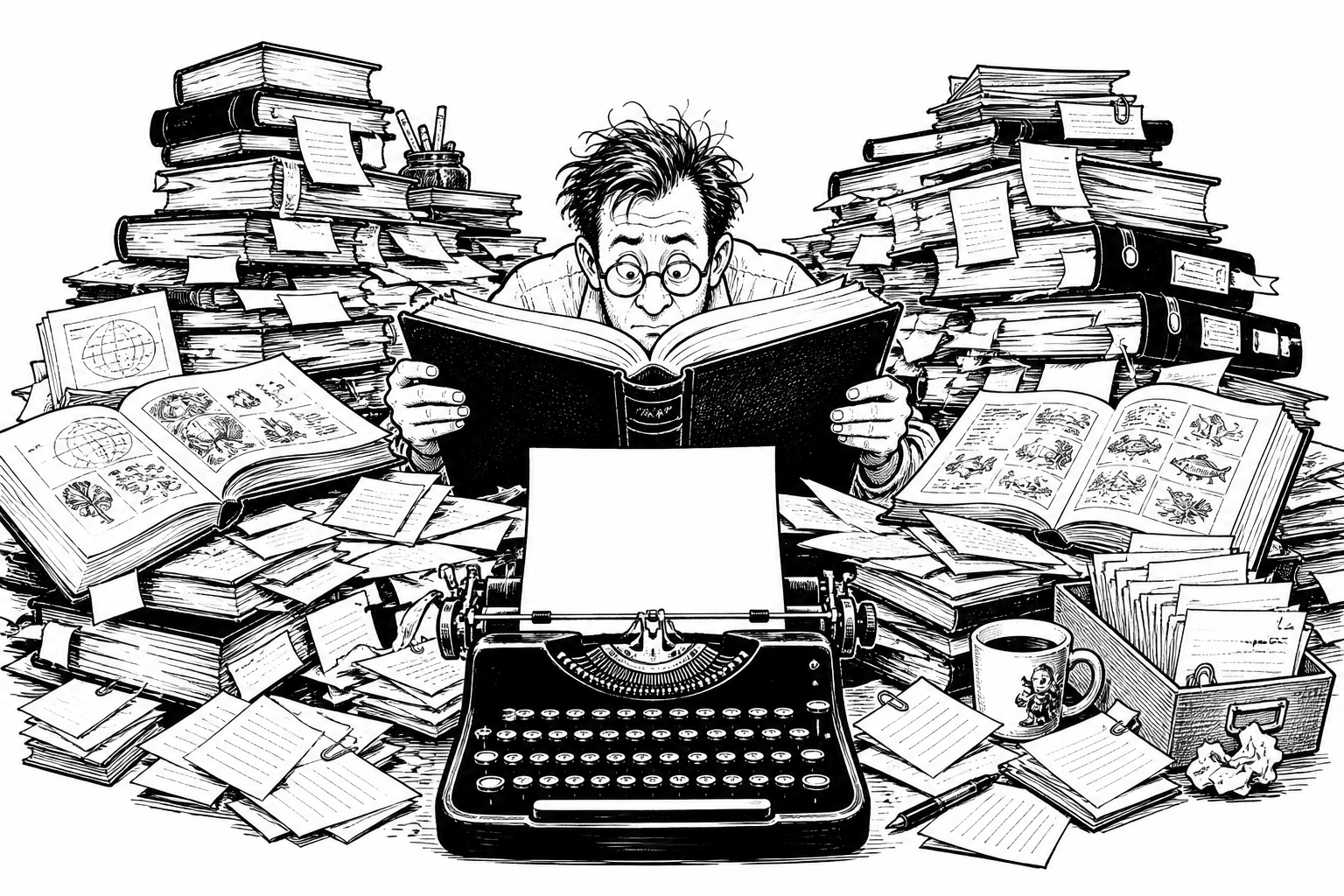
Research gives fiction authority. It helps the world feel inhabited and prevents a knowledgeable reader being thrown out of the story because you have given a nineteenth-century undertaker an iPhone. But how much research does a novel need before research becomes a beautifully respectable form of procrastination?
Usually, enough to begin honestly. Identify what the story depends upon, learn what must be right and mark the gaps that can be checked later. You do not need astronaut training before writing about space. You do need to notice when your hero removes a helmet for a reflective conversation in a vacuum.
Now write the bloody thing
A novel cannot be perfected before it exists. Eventually the notes, research and plans must surrender the stage to sentences.
You do not have to write every day. You do not have to rise at five, use a fountain pen or sit in a shed looking nobly inconvenienced by weather. The argument about whether writers must write every day confuses consistency with ritual. A routine helps, but the routine must fit the life that is actually being lived.
Nor must you remain permanently submerged in other novels to retain your licence. Reading can teach structure, pacing, genre expectations and how another writer quietly moved the furniture while you were looking elsewhere. But writers do not need to read constantly, particularly if doing so begins drowning out the voice they are trying to develop.
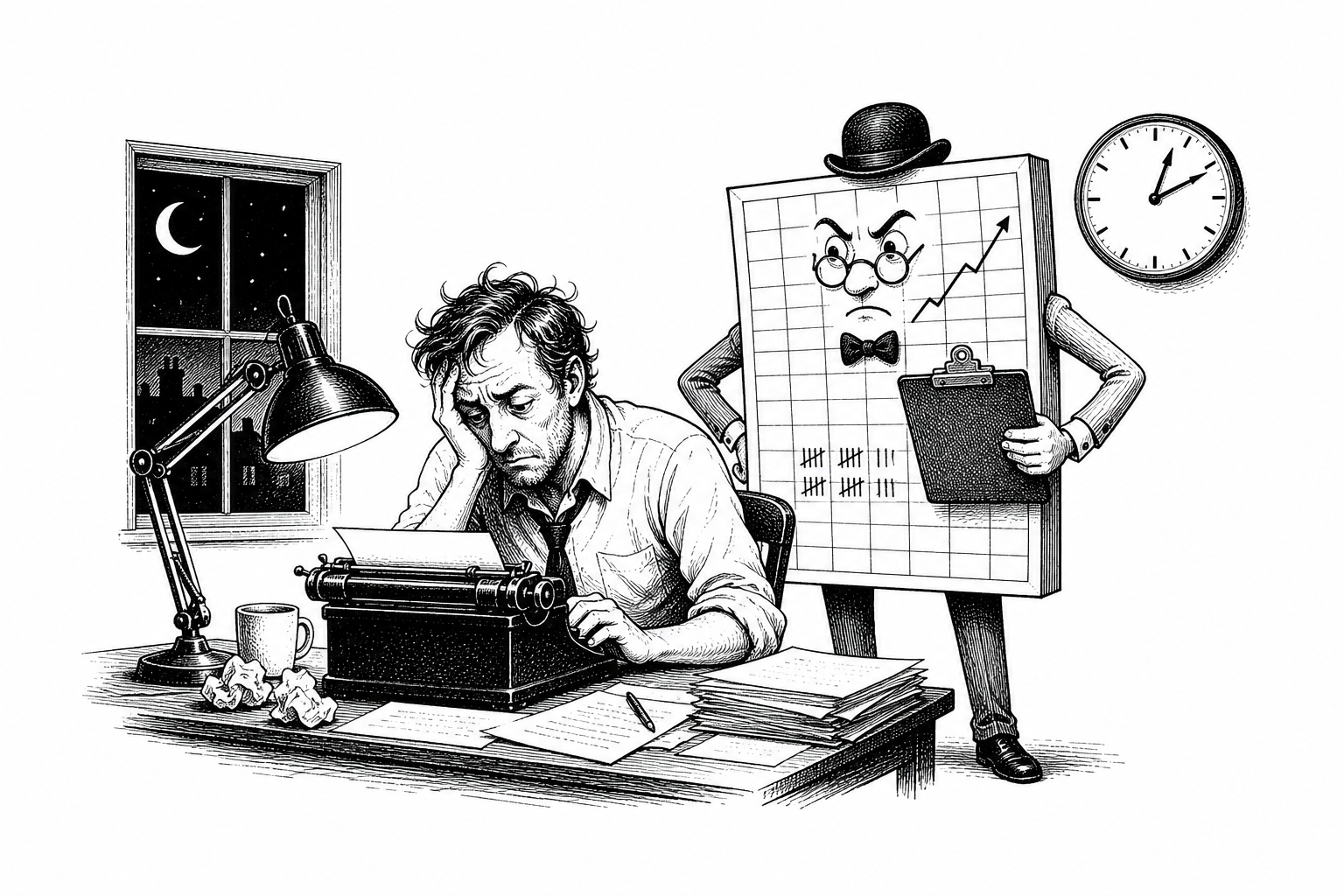
What matters is returning to the manuscript often enough that it retains heat. Word targets can help, deadlines can help and declaring your intention to another human can provide useful embarrassment. None of them writes the next paragraph. At some point, that remains your department.
Expect the novel to misbehave
Somewhere in the middle, the book may stop resembling the elegant object you imagined. A character becomes dull. The plot develops a soft section. Chapter nine appears to have been built only to transport everybody to chapter ten. This is normal.
The useful question is not whether the first draft is working perfectly. It is how to know when a novel is not working, where the failure actually sits and whether it needs repair, removal or simply another scene to reveal what it was trying to do.
Writing out of order, changing the plan, deleting a character or rebuilding the middle is not evidence that you have failed. It is evidence that the manuscript has reached the stage at which it can disagree with you.
Finish, then find out what you wrote
Reaching the end is an achievement. It is not the same as reaching the finished book.
Put the manuscript away long enough to stop hearing what you intended and begin seeing what is on the page. Then revise. Look at the structure before polishing commas on a scene that may not survive. Check the characters, their motives, the pace, the continuity and whether the ending pays off the promise made at the beginning.
Eventually, fresh eyes become useful—but not every pair of eyes is equally useful. Knowing when to show your novel to other people matters because feedback given too early can derail something still discovering its shape, while feedback given too late may arrive after you have emotionally welded every sentence to the floor.
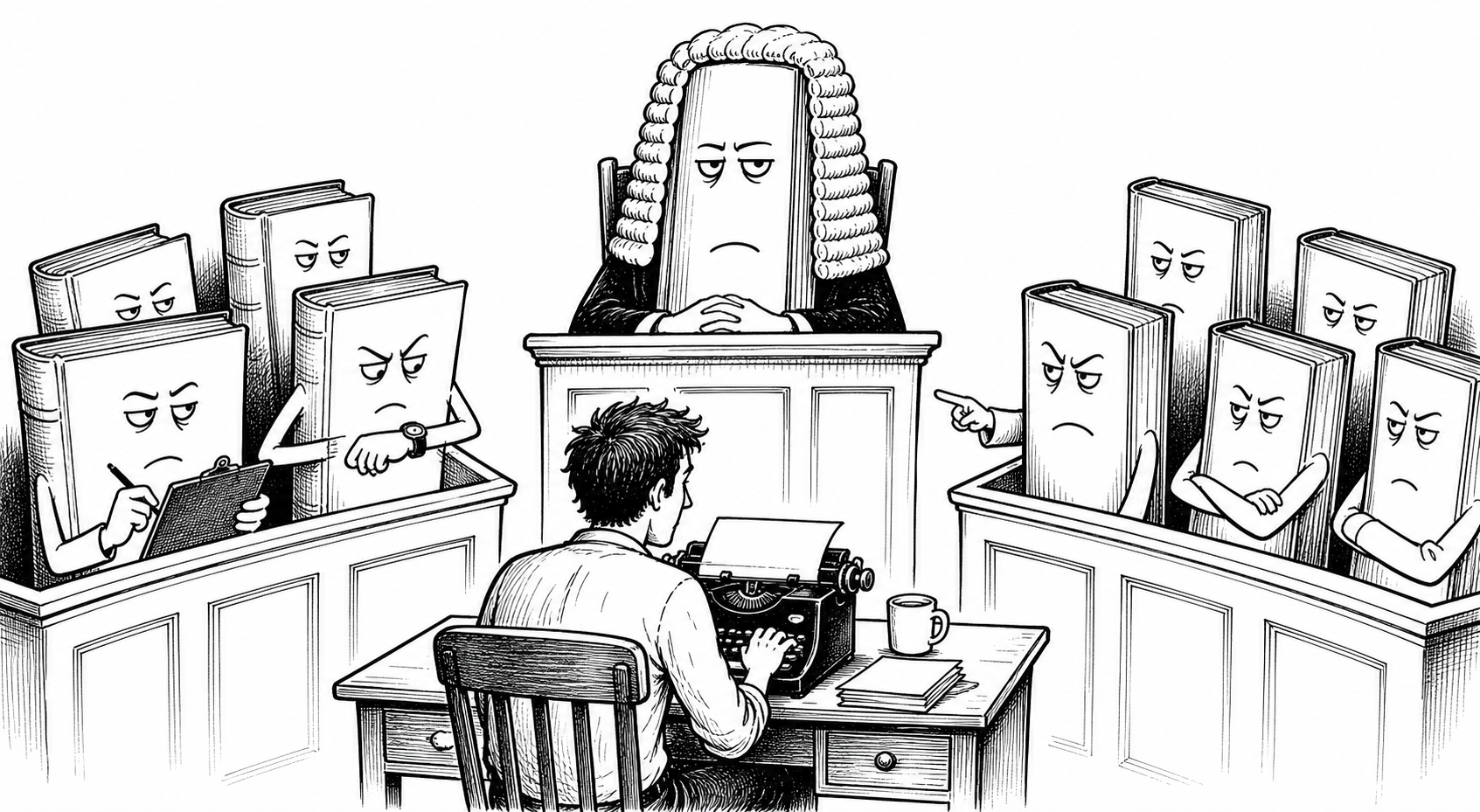
Choose readers who understand what the book is trying to be. Listen for patterns rather than obeying every instruction. If several people trip over the same step, inspect the step. It is rarely evidence of a coordinated reader conspiracy.
Editing is not one person correcting spelling
A manuscript may need developmental editing, line editing, copy-editing and proofreading. These are different jobs performed at different distances from the text. Asking a proofreader to solve a structural problem is like hiring somebody to polish the door handle while the kitchen is on fire.
The right editorial process depends on the condition of the manuscript and what you can reliably judge yourself. What matters is not collecting every available service as though completing a loyalty card. It is identifying the problem before paying somebody to solve it.
Choose how the book will be published
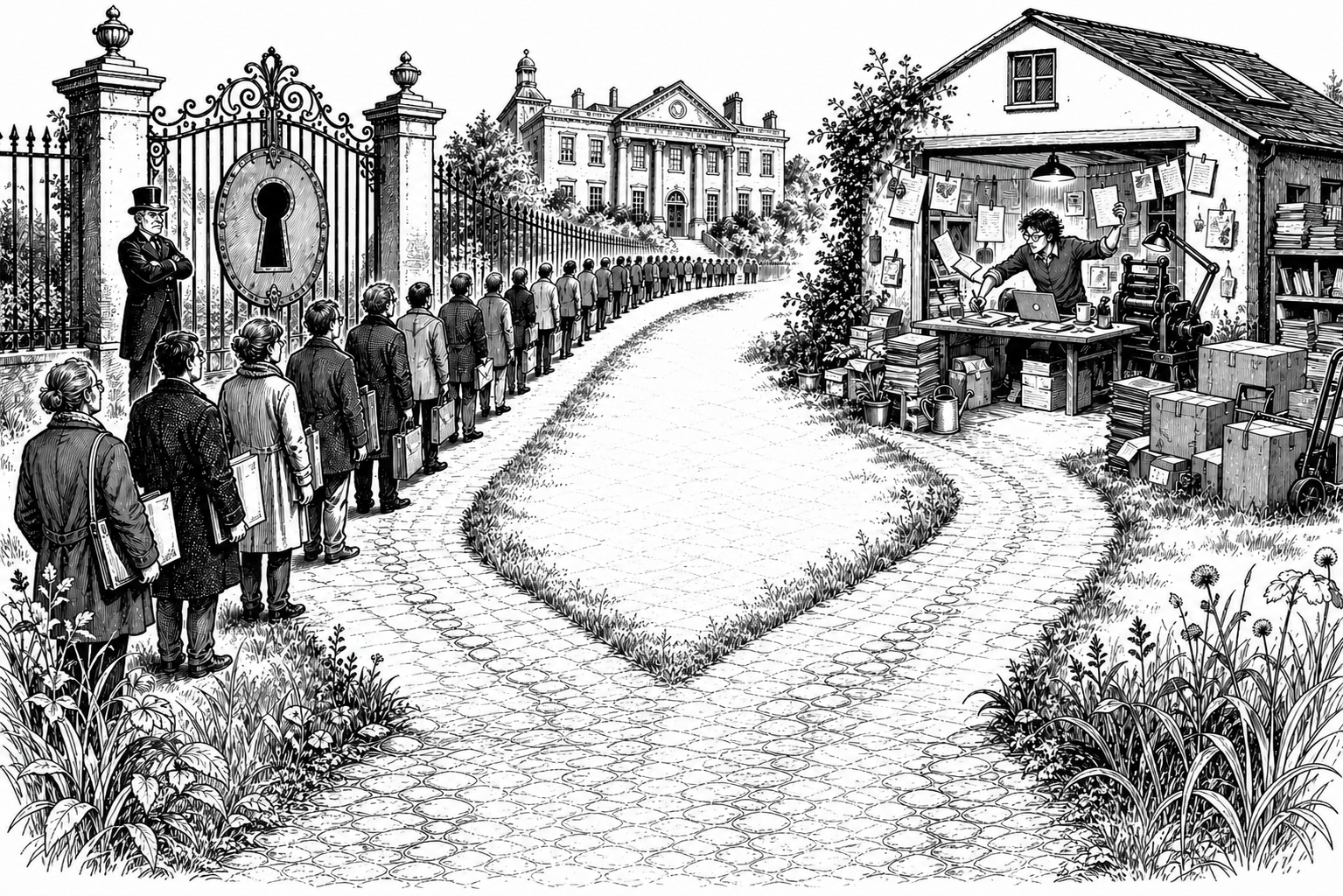
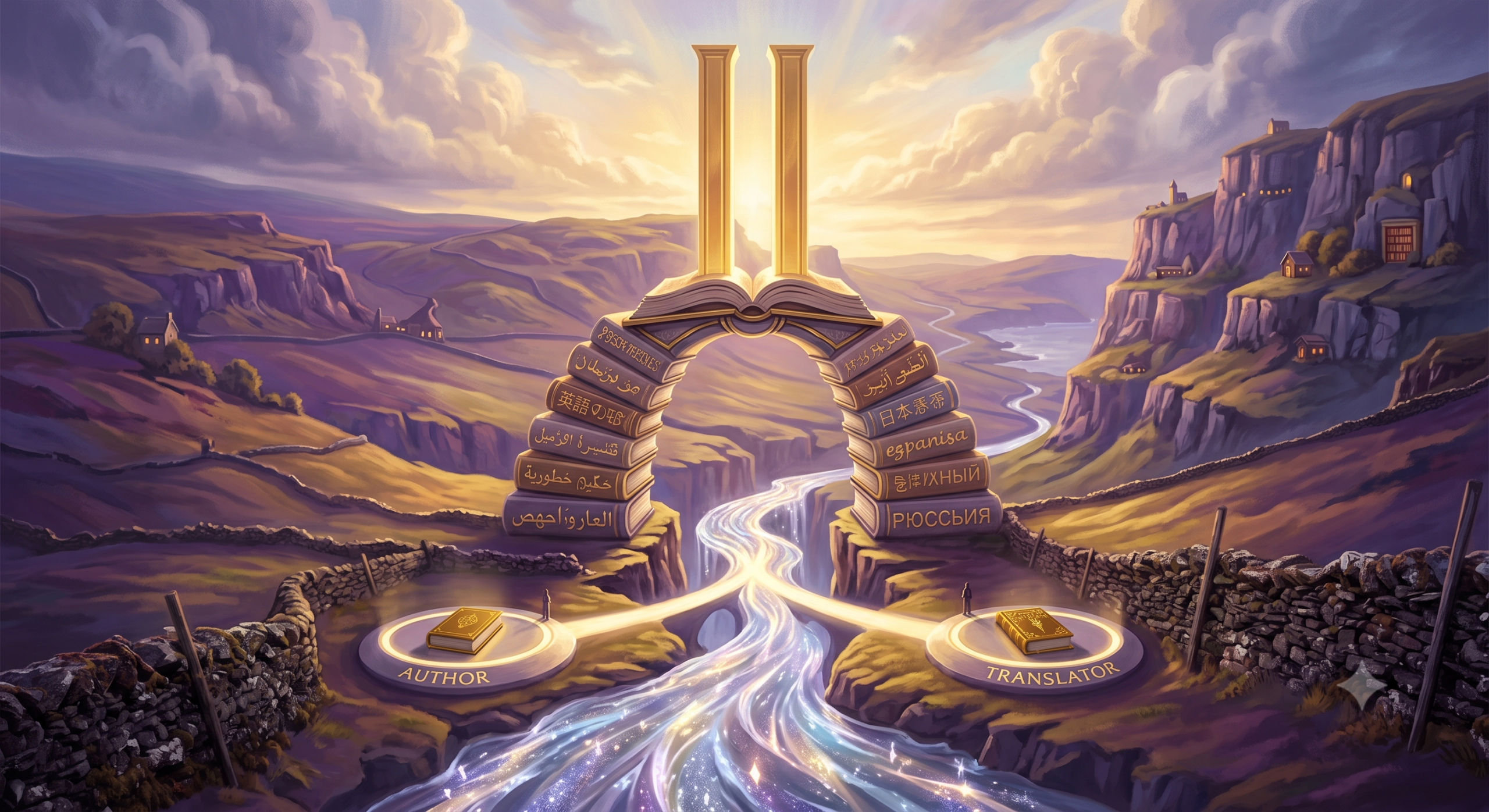
Once the manuscript is genuinely ready, the road divides. You can pursue an agent and traditional publisher, approach suitable independent presses or become the publisher yourself.
The question is not which route makes you a proper author. It is whether traditional publishing or independent publishing suits the book, your expectations, your resources and the kind of difficult work you are prepared to do.
Traditional publishing can bring editorial infrastructure, production, distribution and established commercial relationships. It also brings submissions, rejection, waiting and less control. Independent publishing brings control and speed, then introduces you personally to editing, design, production, metadata, distribution, marketing, accounts and every platform that relocates a button the moment you learn where it lives.
Be particularly cautious of companies whose enthusiasm for your manuscript grows in direct proportion to your available credit. A publisher invests in selling books to readers. A company principally selling publishing packages to authors is operating a different business, however tastefully it phrases the congratulations.
Turn the manuscript into a product
This is where many new authors discover that finishing the writing has caused several additional professions to enter the room.
The book needs a title and a cover that signal the right genre at thumbnail size. It needs typesetting for print and formatting for ebook editions. It may need ISBNs, an imprint, front matter, back matter, retailer descriptions, categories, keywords, prices, territories and decisions about paperback, hardback, ebook and audiobook formats.
A book cover is marketing, not decoration. Typesetting is not pressing centre-align until the pages look ceremonial. Metadata is not administrative fluff: it is part of how retailers and readers understand what the book is and where it belongs.
Before anything goes live, order or inspect proofs. Check the cover, page breaks, contents, running heads, links and all the small defects that become enormous approximately four seconds after publication.
Publishing the book does not create readers
Uploading a book to a retailer makes it available. It does not make it discoverable.
Readers still need to encounter it, understand it and want it. That involves the cover, title, description, categories, keywords, reviews, website, mailing list, publicity, advertising and the slow accumulation of reasons for strangers to trust your name.
Publication day is not the finish line. It is the day the private creative project becomes a public commercial object and begins returning information. Which cover attracts attention? Which description converts? Where do readers leave? Which format sells? Marketing is partly promotion and partly diagnosis with less flattering lighting.
Then come the sales, royalties and other wildlife
If the book sells, money begins travelling through retailers, distributors and royalty systems, stopping occasionally to admire the scenery. You need to understand printing costs, retailer discounts, delivery charges, returns, payment schedules and what each format actually earns.
You may also encounter tax forms, rights, contracts, piracy, revised editions, changing retailer rules and the curious discovery that a book can remain available while its publisher, distributor or payment arrangement is having an entirely separate crisis.
None of this is an argument against writing the book. It is an argument for seeing the whole enterprise clearly. The writer does not need to master every later job before composing the first sentence. But knowing those jobs exist helps you make better decisions, avoid expensive traps and recognise when somebody is selling confidence in a box.
You do not need to solve the entire publishing industry before chapter one. You only need to know which problem comes next.
So where do you start?
Start with the idea. Test whether it can carry a book. Understand the promise you are making, choose enough of a route to begin and write the first version. The editing, cover, metadata, publishing route, distribution, marketing and royalties can wait their turn. They will arrive. Publishing departments are like that.
This guide will continue growing as we add deeper articles to every stage. For now, follow the branch that matches the problem directly in front of you. You do not have to cross the whole landscape today.
You only have to begin.







Leave a Reply