
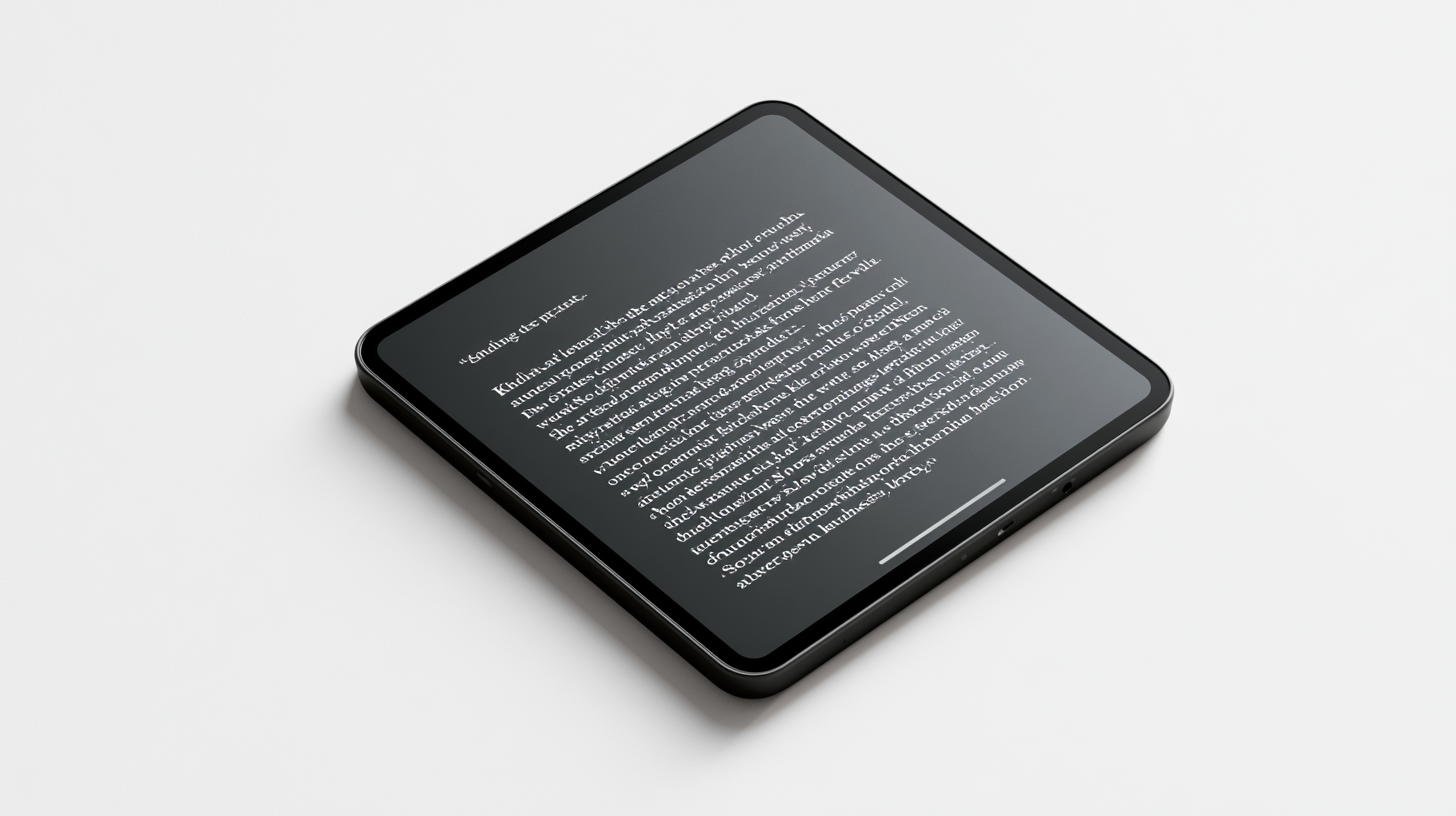
For years, buying an ebook from your local independent bookshop has been a charming idea in roughly the same category as getting a haircut from the village blacksmith. Libro.fm now intends to make it an actual transaction.
The employee-owned audiobook platform is adding ebooks to the same app it already uses to support more than 5,000 independent bookshops. Readers will eventually be able to buy ebooks à la carte, spend membership credits on either format and switch between an ebook and its audiobook using a feature called LibroSync.
What Libro.fm actually announced
Libro.fm announced the expansion in August 2026. The first stage is a beta for its bookseller partners this autumn, including digital advance copies supplied by publishers. A consumer launch is expected in 2027, after booksellers have had the opportunity to test it and point at the bits that looked better in the meeting.
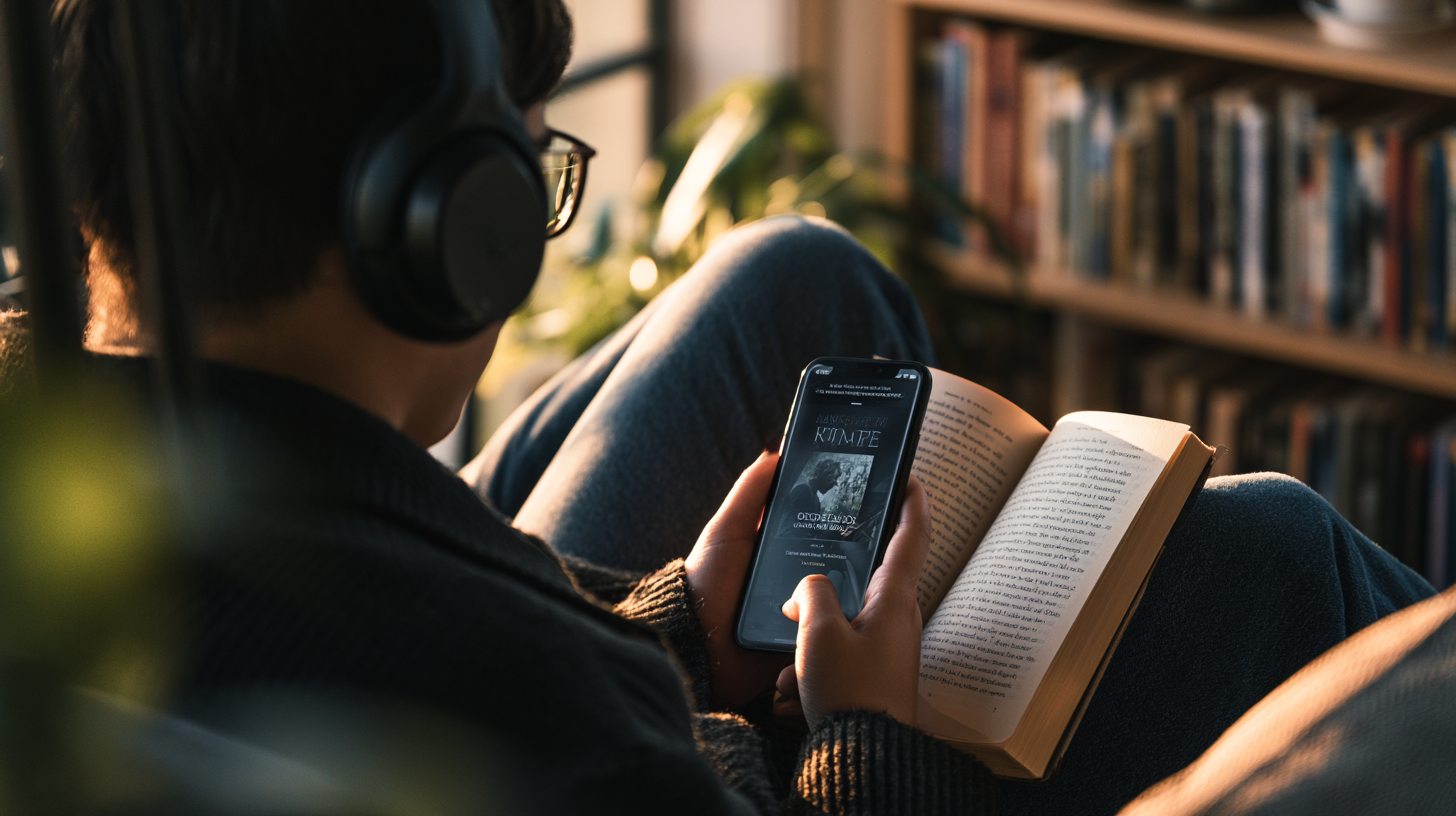
When the consumer service arrives, credits will work across audiobooks and ebooks, while ebooks will also be available as individual purchases. LibroSync will allow readers who own both editions to move between listening and reading, or follow the text while the narration plays.
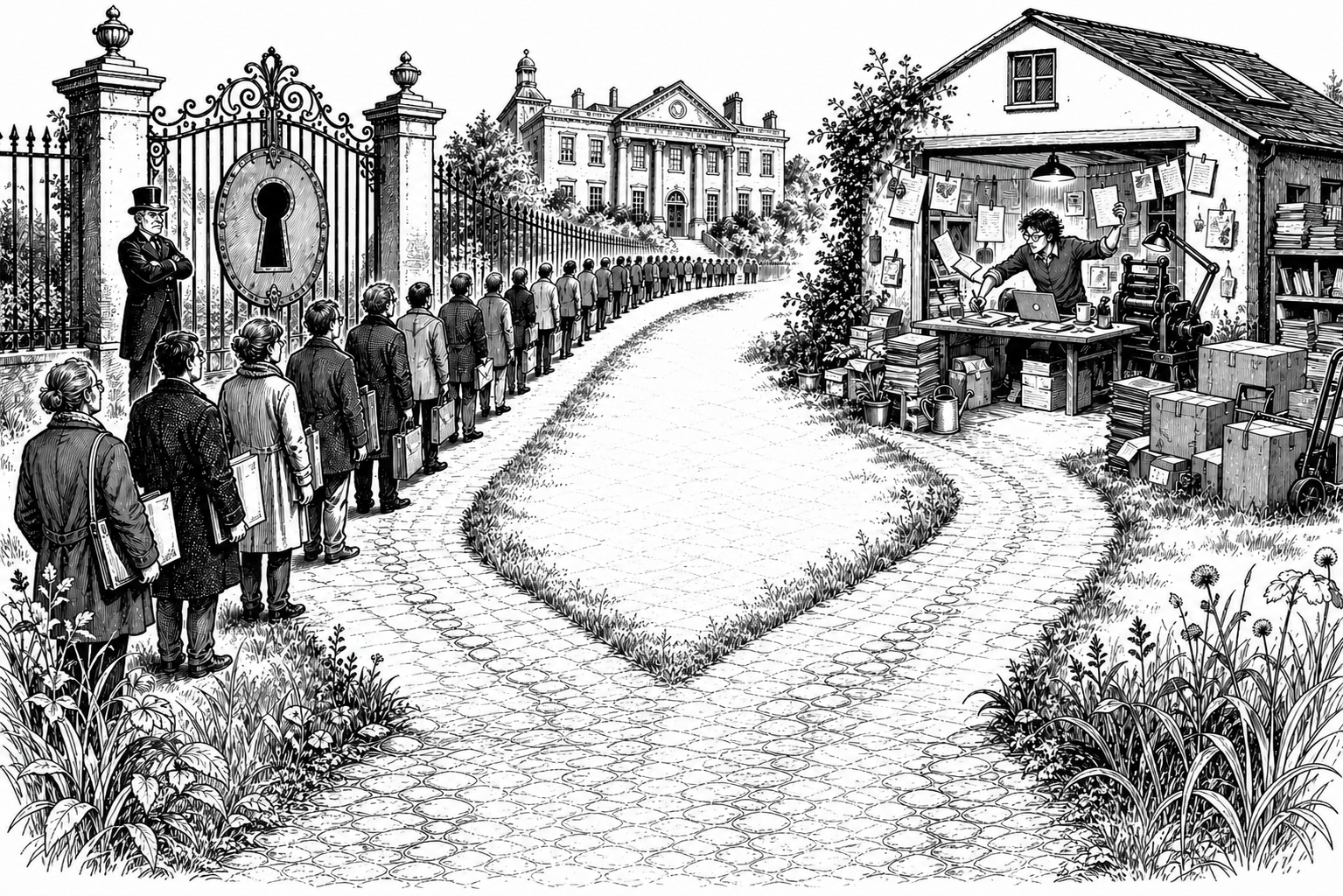
This is genuine competition for Kindle. It is not, however, competition you can upload a book to next Tuesday.
The bookshops get the first look
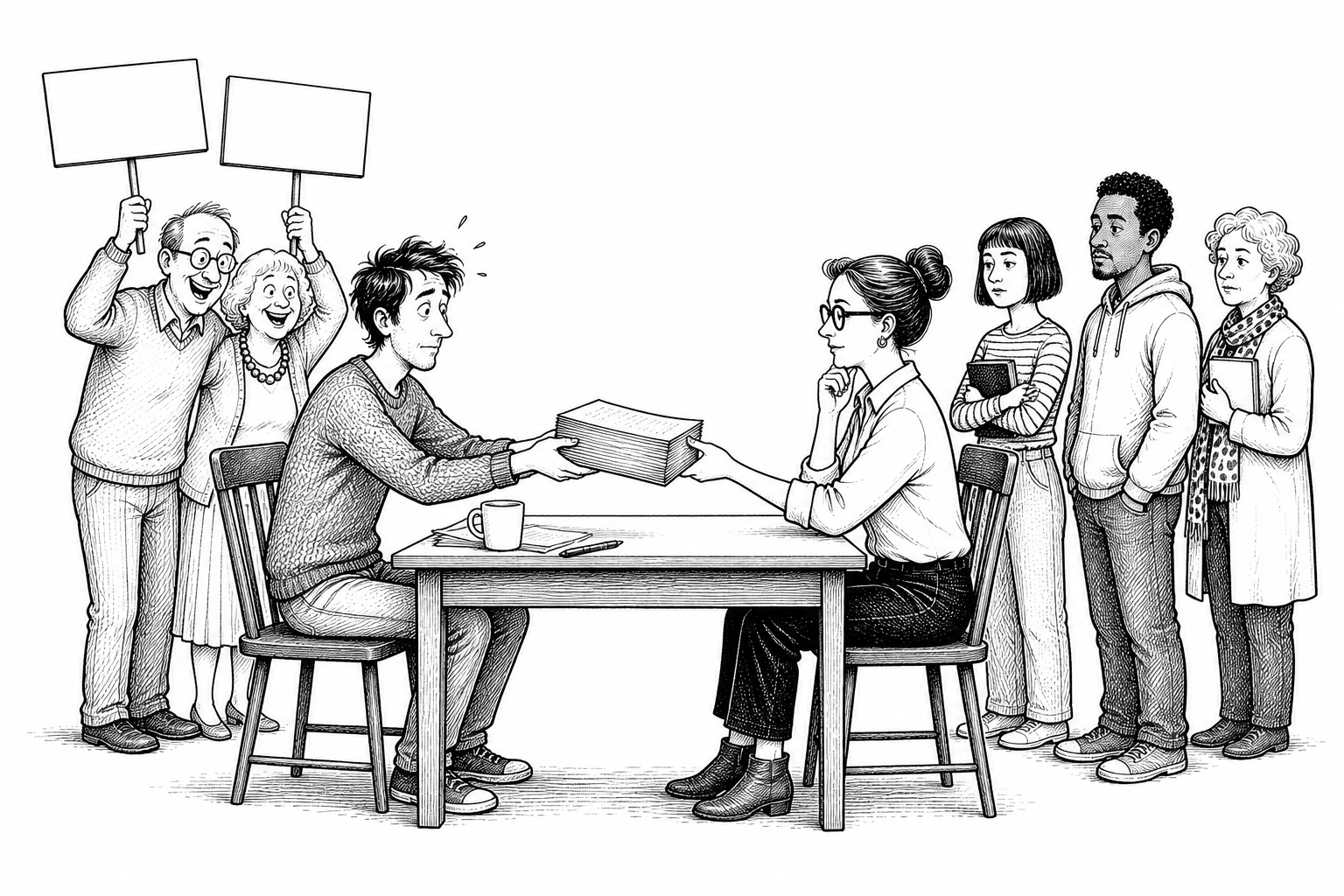
Libro.fm says the move followed years of feedback from booksellers. That matters because the company is not treating independent shops as decorative partners pasted onto the checkout screen. CEO and co-founder Mark Pearson describes Libro.fm as 100% employee-owned, with no outside investors, and says booksellers’ input guides its decisions.
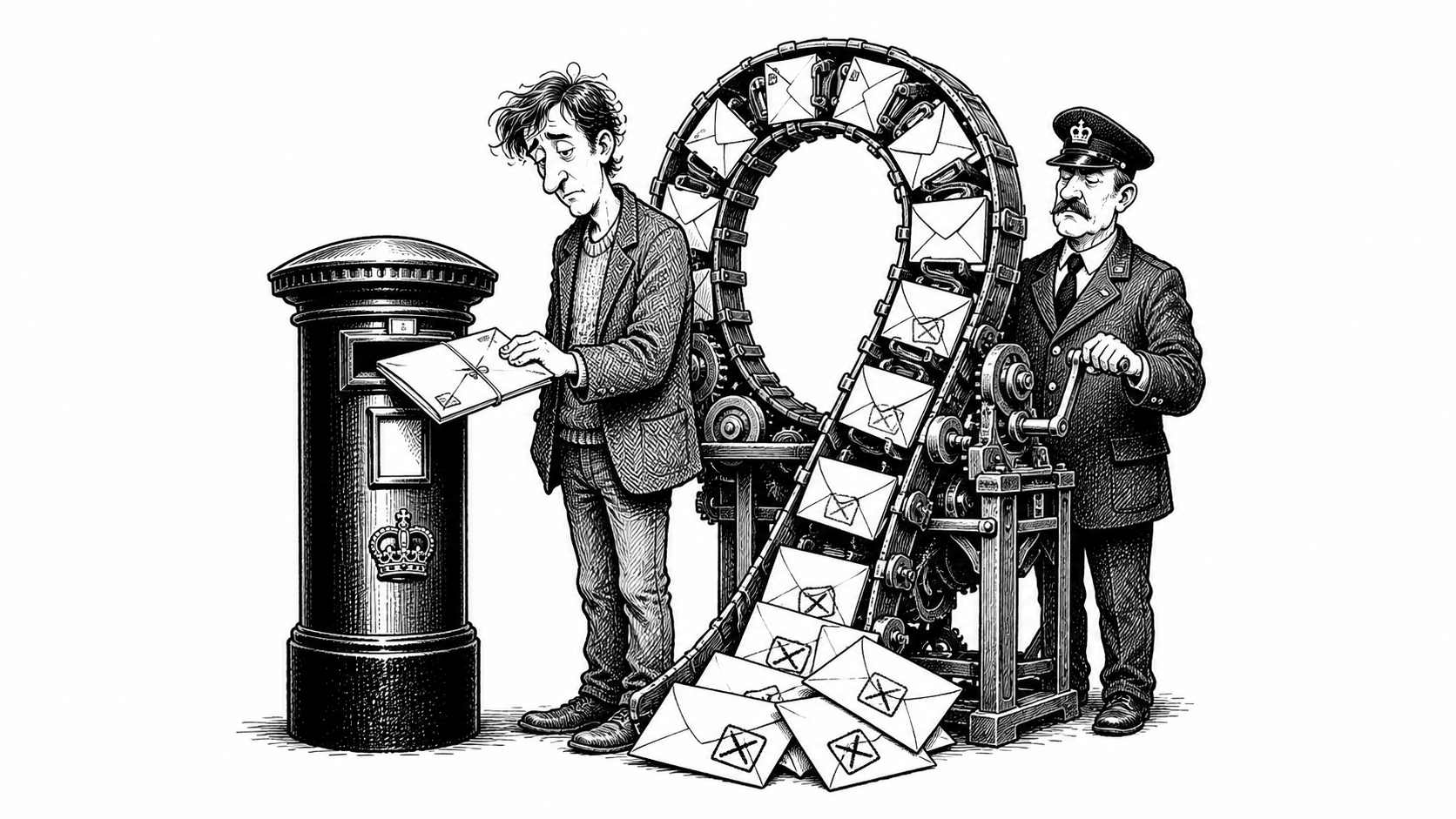
The beta reflects that relationship. Booksellers go first, consumers follow later. It is slower than announcing a miraculous global launch by lunchtime, but it does have the minor advantage of allowing the people expected to use the system to tell Libro.fm whether it works.
It will not be another locked box
The technical choice is significant. According to Publishers Weekly’s reporting, Libro.fm plans to use Readium LCP, an open industry-standard form of digital rights management. The company says it wants ebooks to work across compatible apps and ereaders, with Boox, InkBook and PocketBook among the examples named so far. A full compatibility list will come later.
That does not mean every ebook will be DRM-free. Libro.fm considered that approach too restrictive for catalogue size, because many publishers would not supply their books without protection. LCP is the compromise: protection without requiring readers to keep every purchase imprisoned in one proprietary app.
What this means for self-published authors
At the moment, the honest answer is: not enough has been announced.
Libro.fm has not said whether self-published ebooks will be eligible for the consumer catalogue, how they would be submitted, what royalties would apply or whether an aggregator would sit between author and shop. None of that should be assumed merely because indie audiobooks already reach Libro.fm through non-exclusive distributors.
On the audio side, Libro.fm already points self-published authors towards services including Author’s Republic. That is useful context, but it is not a promise that the ebook route will work the same way.
A platform announcement is not a distribution contract. Unfortunately, the paperwork remains stubbornly involved in publishing.
KDP Select authors should pay attention
Nothing here requires an immediate catalogue overhaul. The public service is not launching until 2027 and there is no confirmed author-facing programme to join.
It is nevertheless worth knowing which ebooks are enrolled in KDP Select. Amazon’s own rules require the digital edition of an enrolled title to remain exclusive to KDP during the exclusivity period. If Libro.fm eventually opens a viable route for independent ebooks, a Select title could not simply be listed there while that commitment remained active.
- Check which ebooks are currently in KDP Select and which are already distributed wide.
- Do not leave an audio strategy waiting for the ebook beta; Libro.fm already has established audiobook distribution routes.
- Watch for confirmed details on indie eligibility, royalties, territories and submission methods.
- Do not rebuild your entire distribution plan around a service readers cannot buy from yet.
The practical lesson
Kindle has not suddenly been knocked off the kitchen table. But an established platform, backed by thousands of independent bookshops, is preparing a credible alternative that combines reading and listening without demanding that every purchase live inside Amazon’s walls.
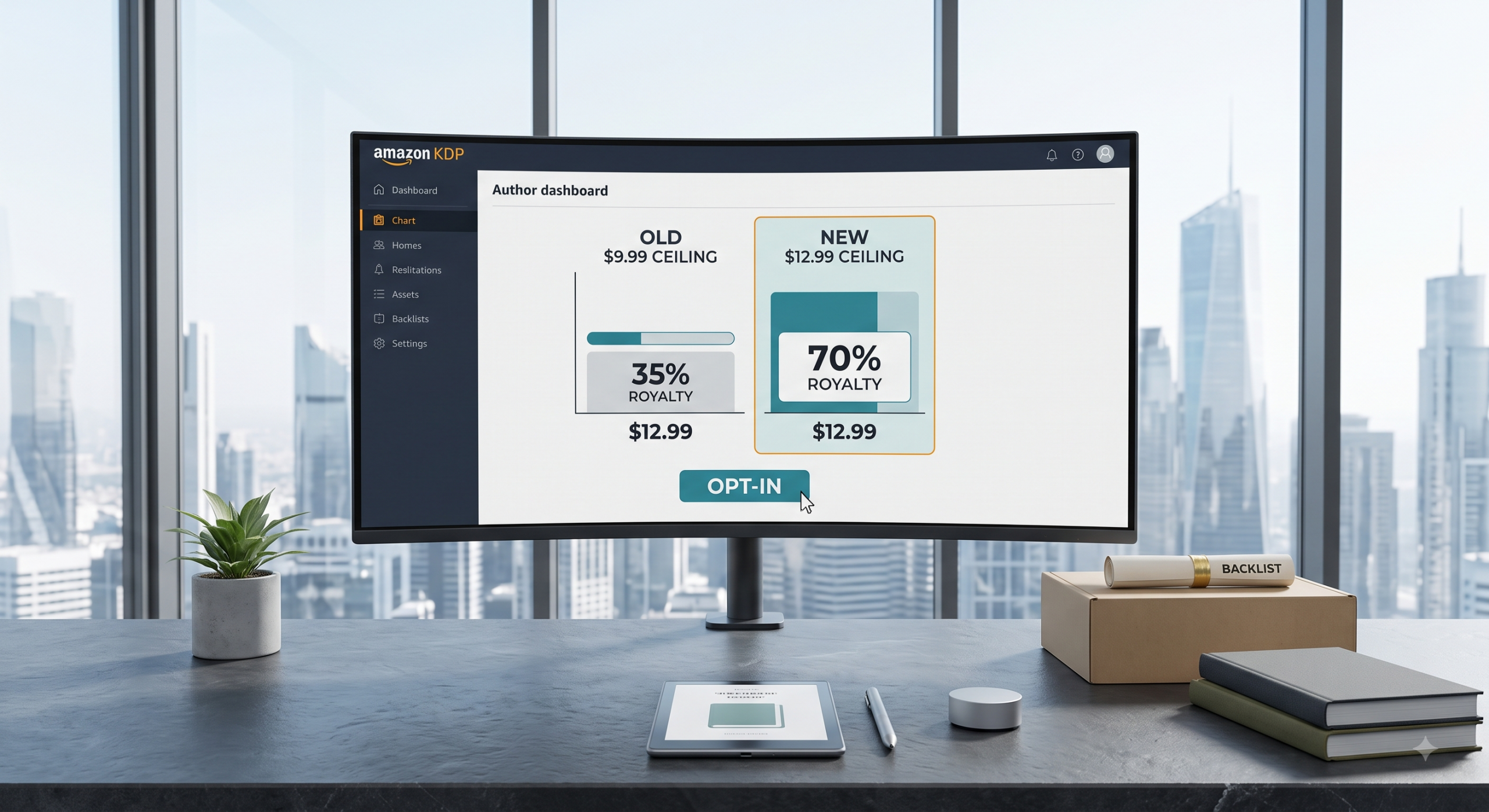
For authors, the sensible response is neither panic nor a triumphant deletion of the KDP account. It is to keep distribution choices visible. We have already looked at how Amazon’s higher 70% ebook royalty ceiling affects backlist decisions; Libro.fm adds another future question to the same calculation: what is exclusivity costing, and what genuinely useful alternatives exist?
If audio is part of that calculation, our examination of Audible’s revised royalty model covers the other side of the ledger. Publishing remains generous enough to provide several complicated decisions where one would have been perfectly adequate.
Sources: Libro.fm — “Ebooks Are Coming to Libro!”; Publishers Weekly — “Libro.fm to Expand into E-books”; Libro.fm — “How Authors Can Produce an Audiobook Without Audible”; Amazon KDP — KDP Select exclusivity. Checked 24 August 2026.









Leave a Reply