
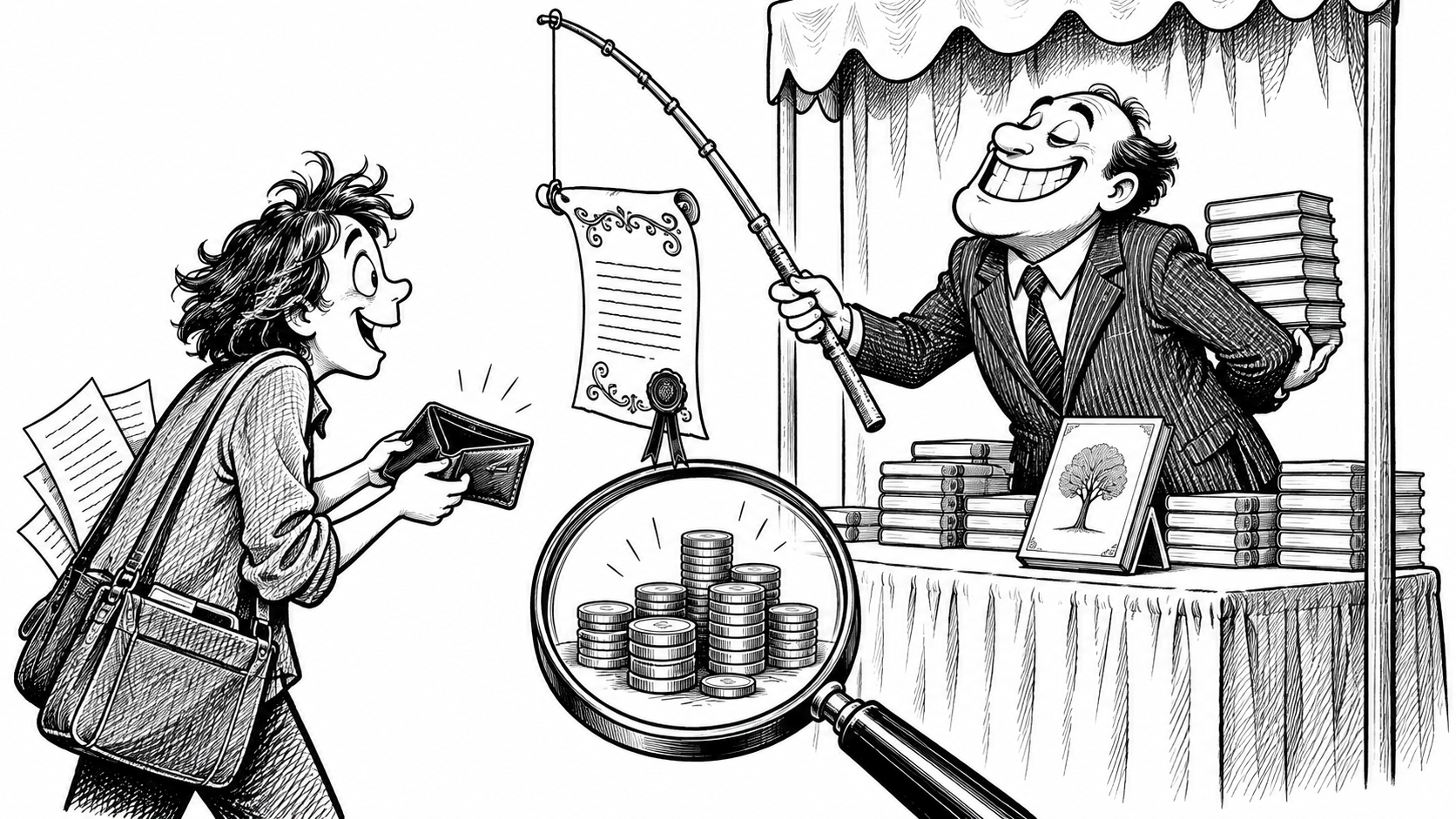
Few sentences are more dangerous to a first-time author than: “We love your book and want to publish it.” They sound like a door opening. Sometimes they are. Sometimes they are a sales funnel wearing a blazer.
The useful question is not whether a company has praised the manuscript. It is who the company expects to make money from. If its dependable income comes from authors buying packages, editing, design and distribution add-ons, then the author is the customer. That is a paid-service relationship, however elegantly the acceptance letter is worded.
Availability is not stocking. Distribution is not promotion. Paying a supplier is not the same as a publisher investing in you.
The real-customer test
A conventional publisher takes a commercial risk: it pays to produce the book and hopes to recover that investment through readers buying it. An author can also pay for good services—editing, design, typesetting, printing—while remaining the publisher. There is nothing shameful about that.
The problem begins when a supplier dresses up the author-as-customer model as selection, validation and traditional publication. The pitch works because a finished manuscript feels personal, because praise feels overdue, and because the machinery of publishing is still opaque. That does not make the author foolish. It makes the pitch well aimed.
Ask what “distribution” actually means
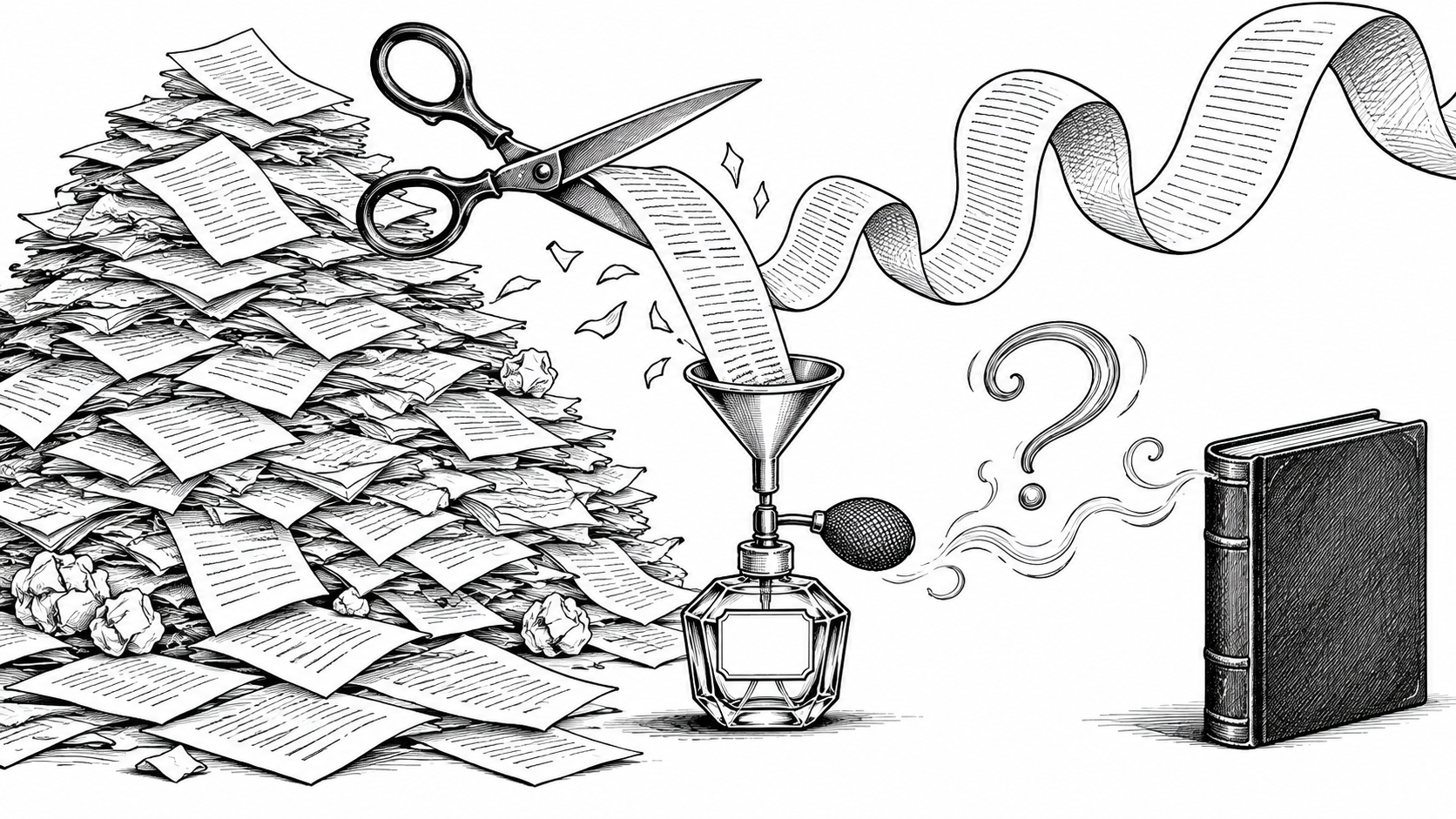
New writers understandably hear “distribution” and picture bookshops, displays and strangers discovering their novel between the travel guides and the three-for-two table. In practice, a book can be listed in a database or technically orderable without being stocked, displayed, sold to the trade or promoted by anybody. A retailer logo is not a sales team.
Ask concrete questions. Which distributors and territories? Is the book merely orderable, or will shops carry stock? Is there trade discount, a returns route, a representative actively selling it, or any genuine marketing? What is guaranteed, and what is simply possible in theory? Vagueness is doing work for somebody; make it stop.
Inspect the evidence, not the brochure
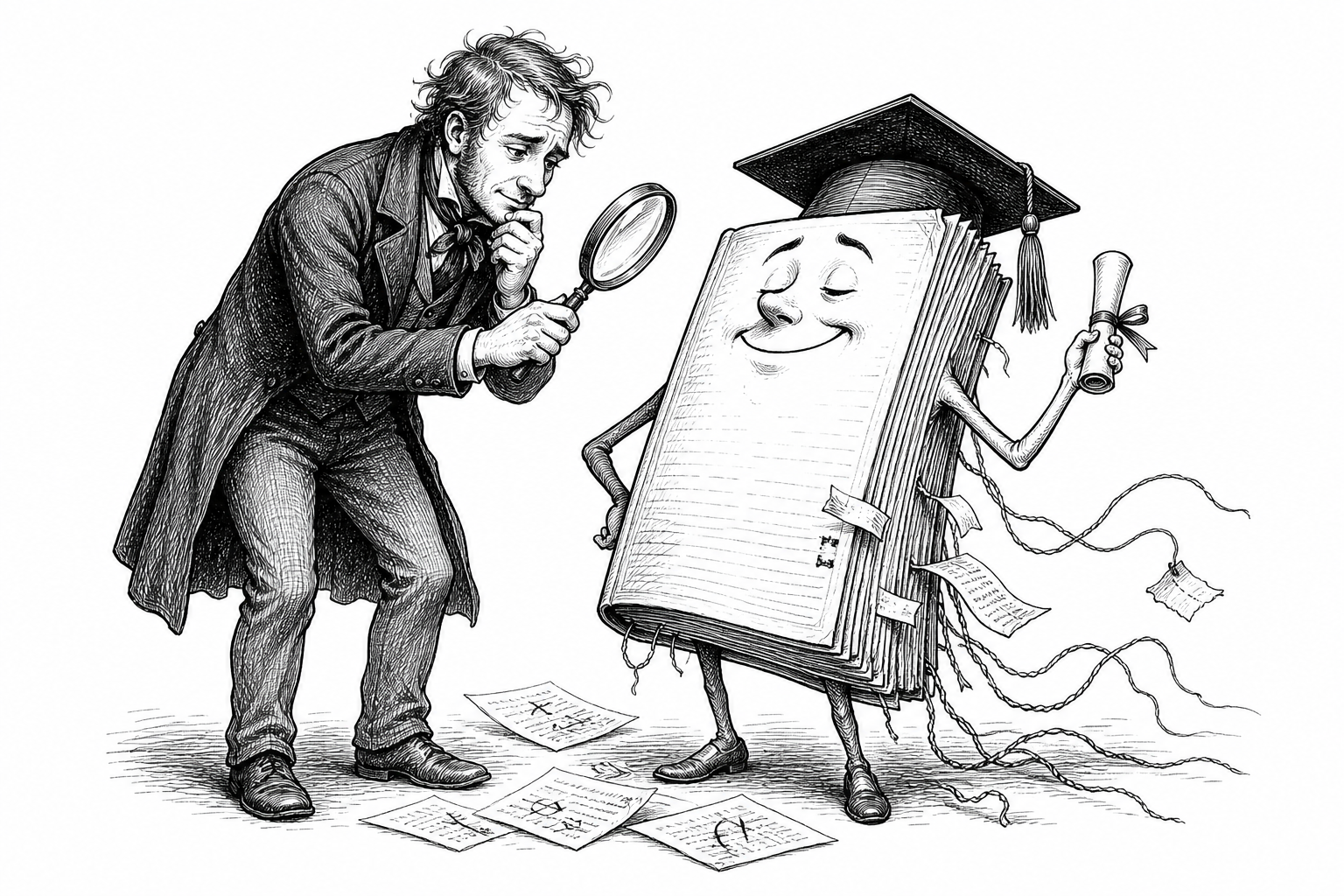
Order or inspect books the company has actually produced. Look at covers, typography, typesetting, paper, trim, spines, image reproduction and proofing. Then look at the back catalogue as a whole. If the work repeatedly looks amateur, believe the evidence in front of you rather than the phrase “professional publishing”.
That includes editorial work. “Professional editor” is not a qualification by itself. Ask who will work on the manuscript, what experience they have, what pass they are providing, how many rounds are included, and what happens when errors remain. If you need a clearer sense of the separate editorial passes, read what kind of editor a book actually needs.
The cost of trusting the package
This is not abstract caution. Tony’s own early experience involved promises of professional editing and proofreading, followed by a published book with serious editorial problems. Early reviews concentrated on the proofing rather than the story. A corrected edition later existed, but the first launch had already introduced readers to a book that did not meet the promised standard.
That is the real stakes: weak production is not merely irritating. It can damage first impressions during the fragile launch window, affect reviews and leave a reputation that later corrections cannot entirely retrieve.
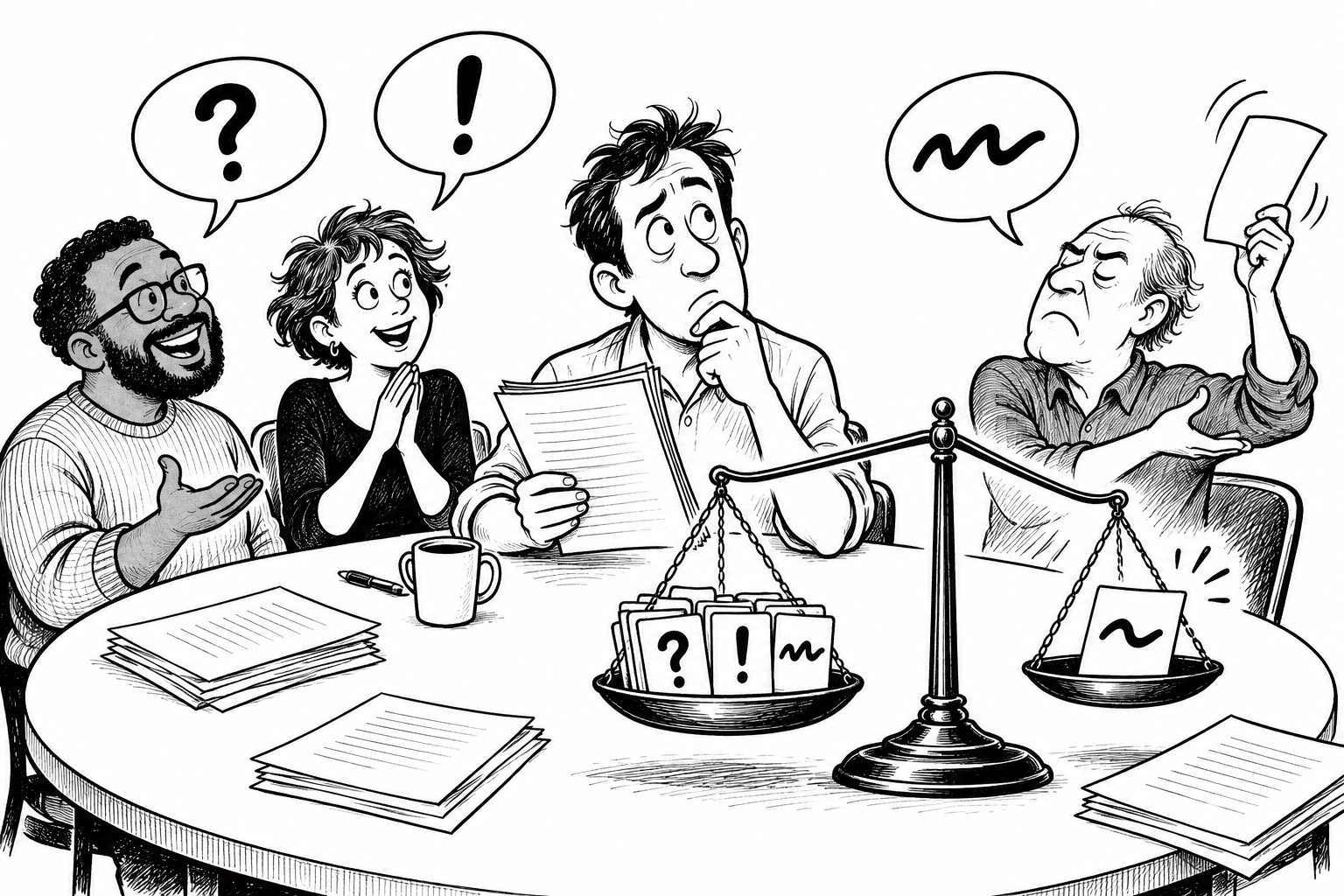
Compliments about the manuscript are not due diligence.
Read the revision limits before you pay
Package language can sound generous until the author discovers that only one revision is included, that correcting a supplier’s error is treated as a change request, or that each adjustment starts a new charge. Establish the process before signing: how many rounds, what counts as a revision, who approves the work, who owns the files and ISBN, what happens if you leave, and every optional or recurring fee.
Likewise, ask who designs the cover, whether “custom” means custom, what source assets are used and how many design revisions are included. A cover is not a decorative afterthought. It is one of the first commercial signals the reader receives.
Be a publisher before you become an applicant
Investigate the company. Examine its output. Read reviews and complaints critically. Ask about rights, termination, files, charges, editorial personnel and distribution mechanics. If the answers are slippery, slow down. If the sales pressure rises when your questions improve, slow down further.
The point is not that every paid service is a scam, or that independent publishing is a lesser form of publishing. It is that a transparent supplier and a publisher investing in a book are different relationships. Know which one you are entering. Your manuscript has already done enough hard work; do not let a flattering letter make it sign a contract before you have asked the adult questions.












Leave a Reply