
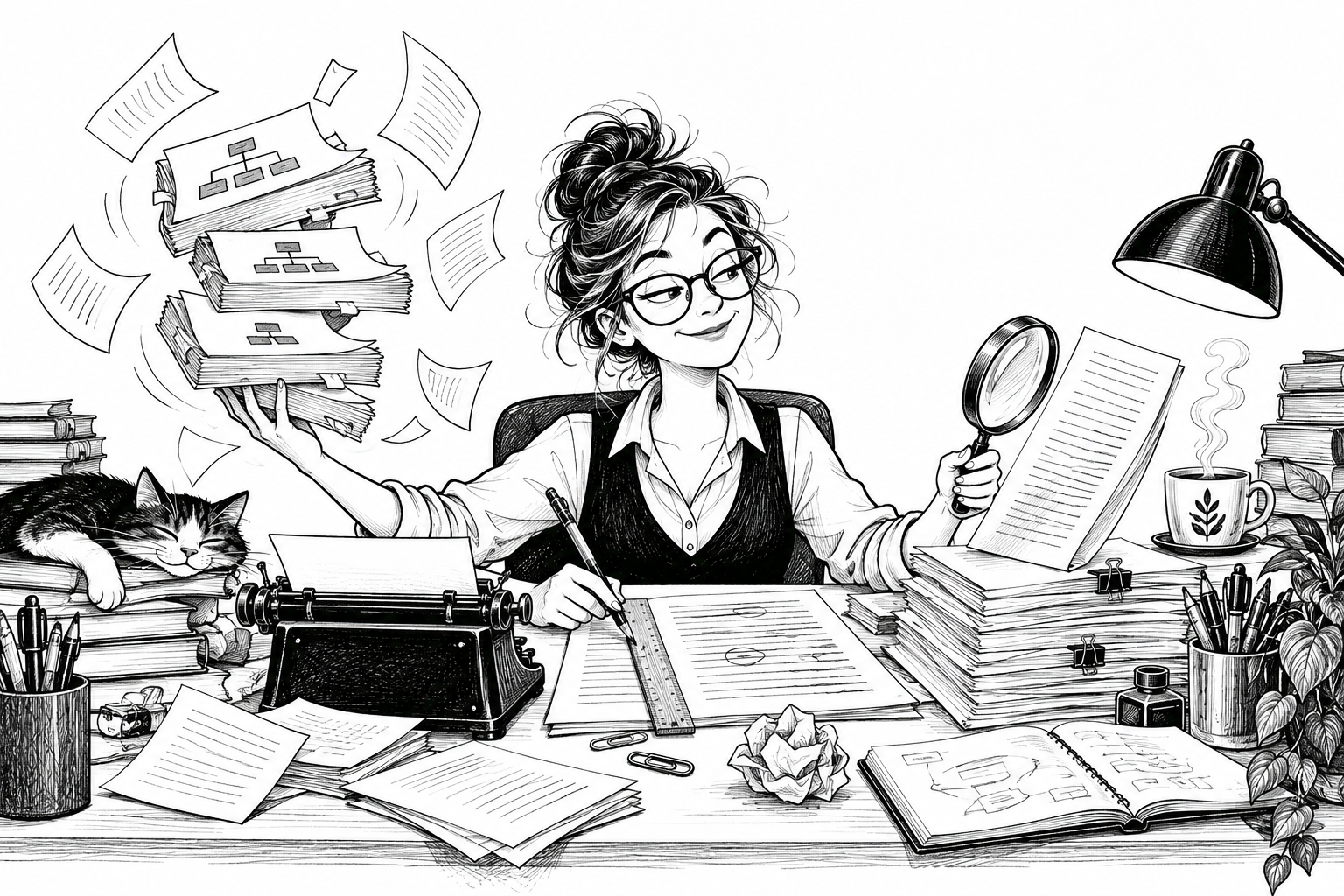
“I need an editor” is one of those sentences that sounds admirably decisive until you ask the next question: which one?
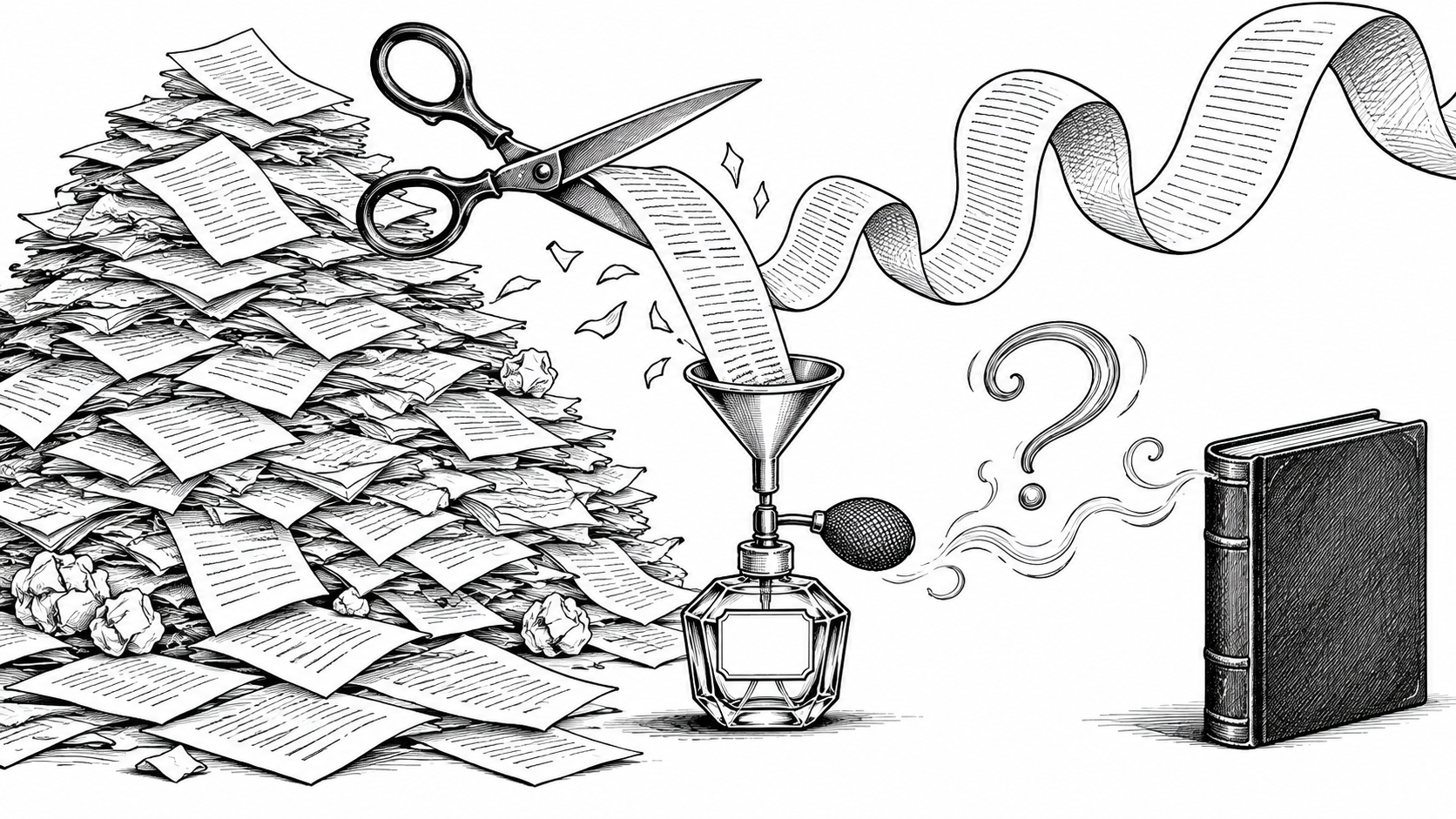
Editing is not a single ceremonial bath through which a manuscript emerges clean, fragrant and ready for the bookshop. It is a sequence of different jobs. Ask one person to do all of them without agreeing the scope and you may receive a bill, some red ink and the lingering sense that everyone has used the word “edit” to mean something different.
Do not pay to polish sentences that will shortly be cut, moved or detonated by a structural rewrite.
The first distinction: jobs, not prestige
There is no universal rule requiring three different people with three impressive job titles. A good editor may be capable of more than one pass; a small press may combine roles; a writer with a very clean manuscript may need less intervention in one area than another. The important thing is that the work itself is not blurred into one expensive fog.
The Chartered Institute of Editing and Proofreading makes the same useful distinction: developmental or structural editing concerns the shape, content or plot; copyediting works at detail, consistency and clarity; proofreading is the final check near publication. Names can vary between freelancers and publishers, which is precisely why a written brief matters more than collecting titles like loyalty points.
Developmental editing: is the book doing its real job?
A developmental editor looks at the manuscript from the reader’s side of the table. Does the story drag? Has a chapter arrived too early, too late or twice? Are there character dumps, circular explanations, premature reveals or scenes that know why they exist only because the author wrote them on a Tuesday six months ago?
This is the big-picture pass. It is about structure, pace, flow, clarity and the experience of the whole book. It is not principally about whether a comma has brought a friend.
That distance is valuable. After months inside a manuscript, authors become extremely efficient at reading what they intended to write. Fresh eyes are less polite. They notice where the reader has been given too little, too much, or a detailed explanation of something that was already obvious three chapters ago.
What happens after the developmental pass
You revise. Properly. This should not be a conveyor belt where a developmental editor hands the manuscript directly to a line editor while the author stands nearby with a cup of tea. Structural notes create author work: rethink, rewrite, test the revised book with suitable readers where useful, and then revise again.
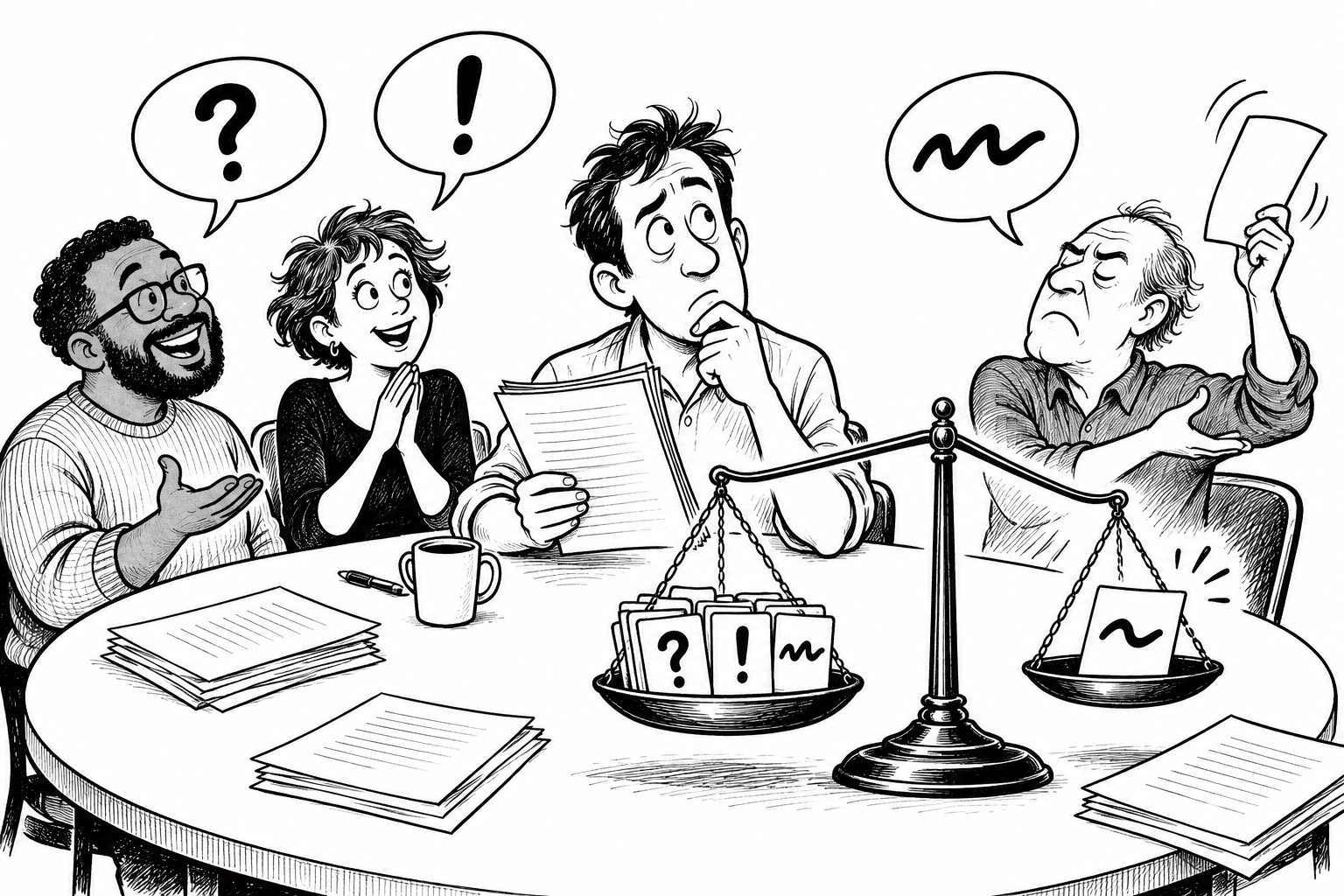
The sensible order is developmental edit, author revision, reader or focus-group testing, further revision, line/copy editing, then final proofing. It is not holy writ; it is an economic and creative sanity check. A line edit on a chapter that later disappears is a very thorough way to decorate a skip.
If you are deciding when those readers should appear, start with the question of when to show a novel to other people. Fresh feedback is valuable, but it is not infinitely renewable.
Line and copy editing: make the settled book read properly
Once the story is genuinely stable, the closer pass can concentrate on the prose. Depending on the agreed brief, that means sentence construction, syntax, punctuation, consistency, awkward repetition, clarity, voice and the small-to-medium problems that keep a reader tripping over the furniture.
Some editors draw a very sharp line between “line editing” and “copyediting”; others use the terms differently. Do not let terminology become a substitute for agreement. Ask what the editor will actually examine, how they will mark changes, whether they will query rather than silently rewrite, and what will be handed back to you.
An editor is not there to take custody of your voice. They are there to make its strongest version easier to read.
Proofreading: the final defensive line
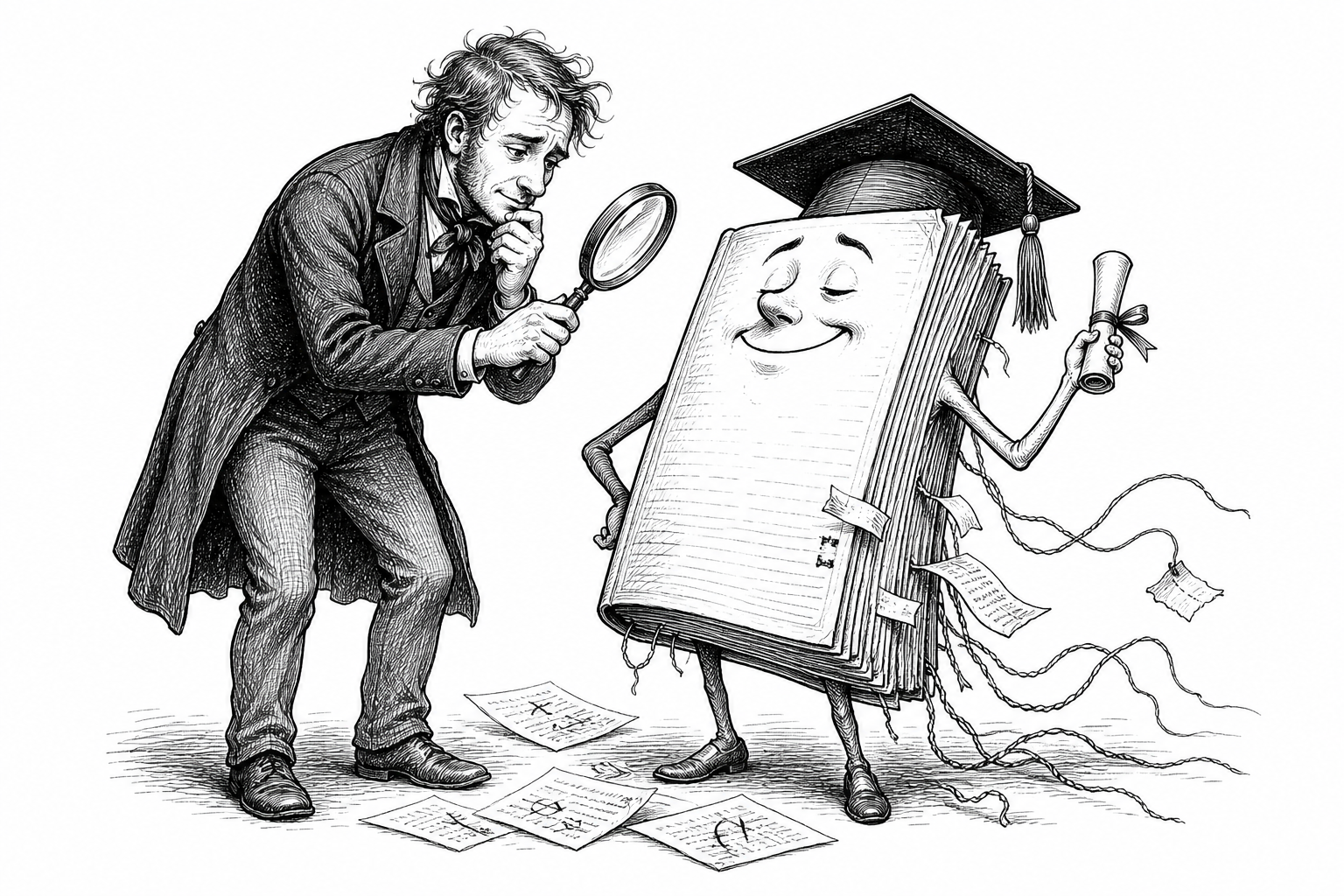
Proofreading belongs at the end, immediately before production or typesetting. Its job is to catch residual typos, inconsistencies and tiny errors—particularly the ones everyone else has become professionally incapable of seeing.
This is not the moment to discover that your middle acts need rebuilding. If major story or prose work is still happening, the manuscript is not ready for final proofing. The ideal proofreader is a cheerful stickler: someone who enjoys spotting an apostrophe that has made a break for freedom and a character whose eye colour has quietly changed in chapter 31.
How to choose the person, not just the service
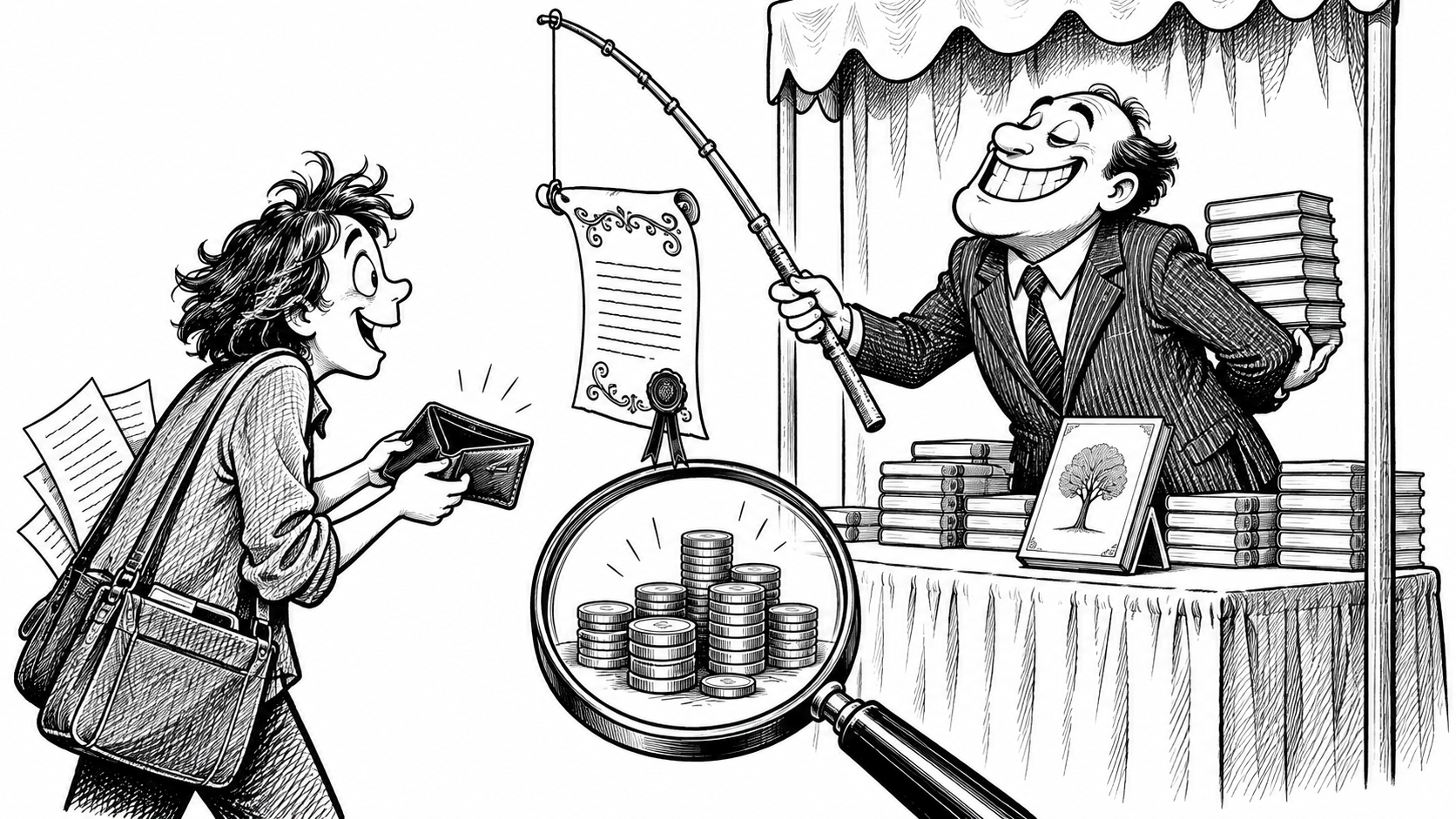
Price is not a qualification. Neither is a very confident website full of fountain pens. Look for relevant experience, a credible work history, familiarity with your kind of book and a clear explanation of the pass on offer. Where practical, ask for a sample edit or a short paid test. You are not buying an aura; you are buying judgement applied to your manuscript.
Then judge the result. If you keep finding things the editor should reasonably have caught, that pass has not delivered the value you paid for. Conversely, a useful editor may make you slightly cross because they have found a real weakness. Productive friction is not a coup.
In independent publishing, the author-publisher still makes the final decision. That is not permission to disregard every uncomfortable note; it is the responsibility to understand the note, decide whether it identifies a genuine problem, and choose the best solution for the book.
A brief saves more money than a bargain
Before anybody opens Track Changes, write down what stage the manuscript is at, what you want examined, what is out of scope, how you want queries handled, the format you will supply and the timetable. The CIEP’s guidance on editorial briefs is useful here: the label of a service can vary, while a clear brief prevents both sides guessing.
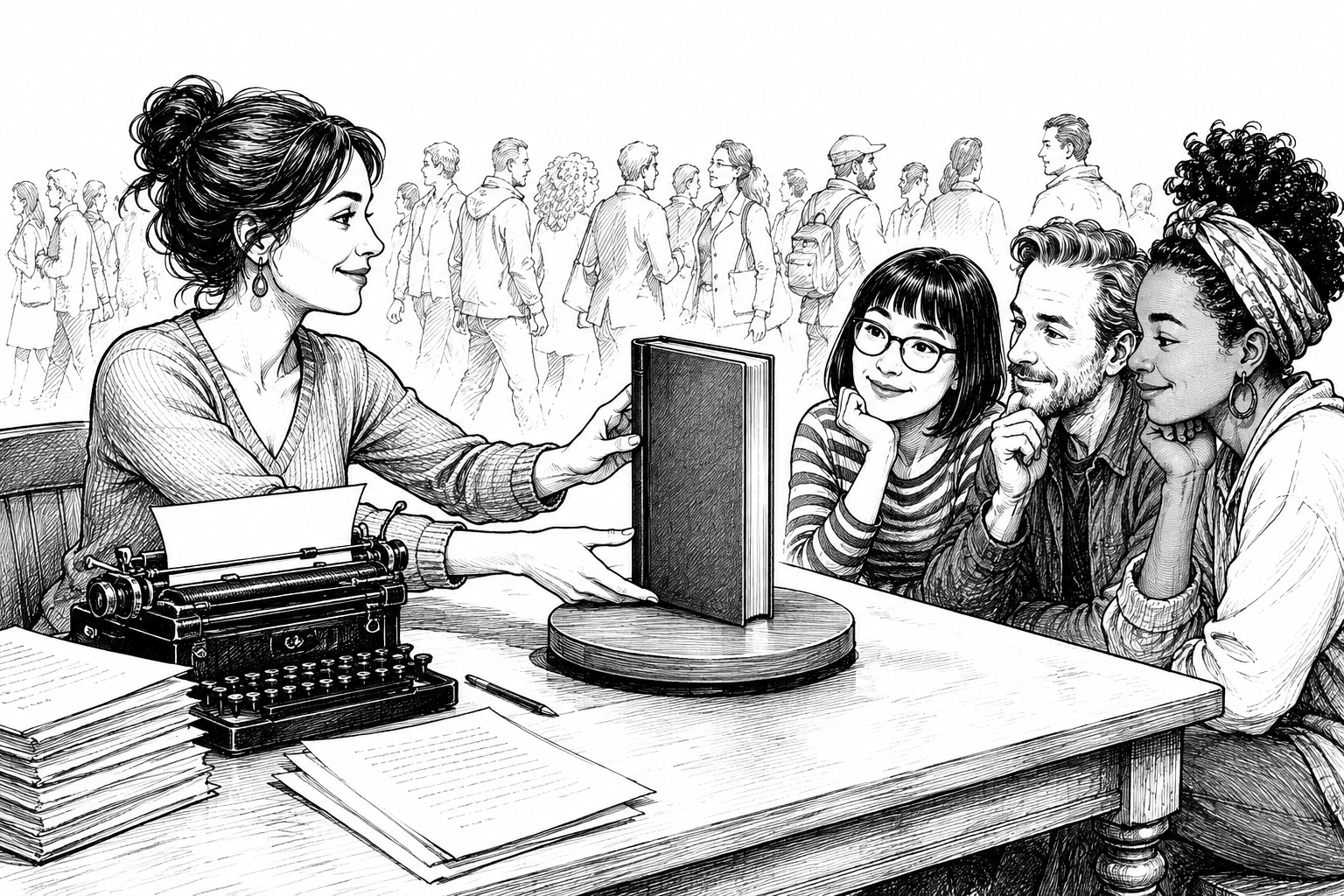
The practical question is not, “Can I find an editor?” It is, “What does this version of this book need next?” Answer that honestly and the sequence becomes less mysterious: build the book, test the book, refine the writing, then hunt the final errors. It is not glamorous. It is how a manuscript stops being a manuscript and becomes a book.








Leave a Reply