At some point after finishing a manuscript, the writer meets the question that sounds simple because it has been compressed into seven words:
Traditional publishing or independent publishing?
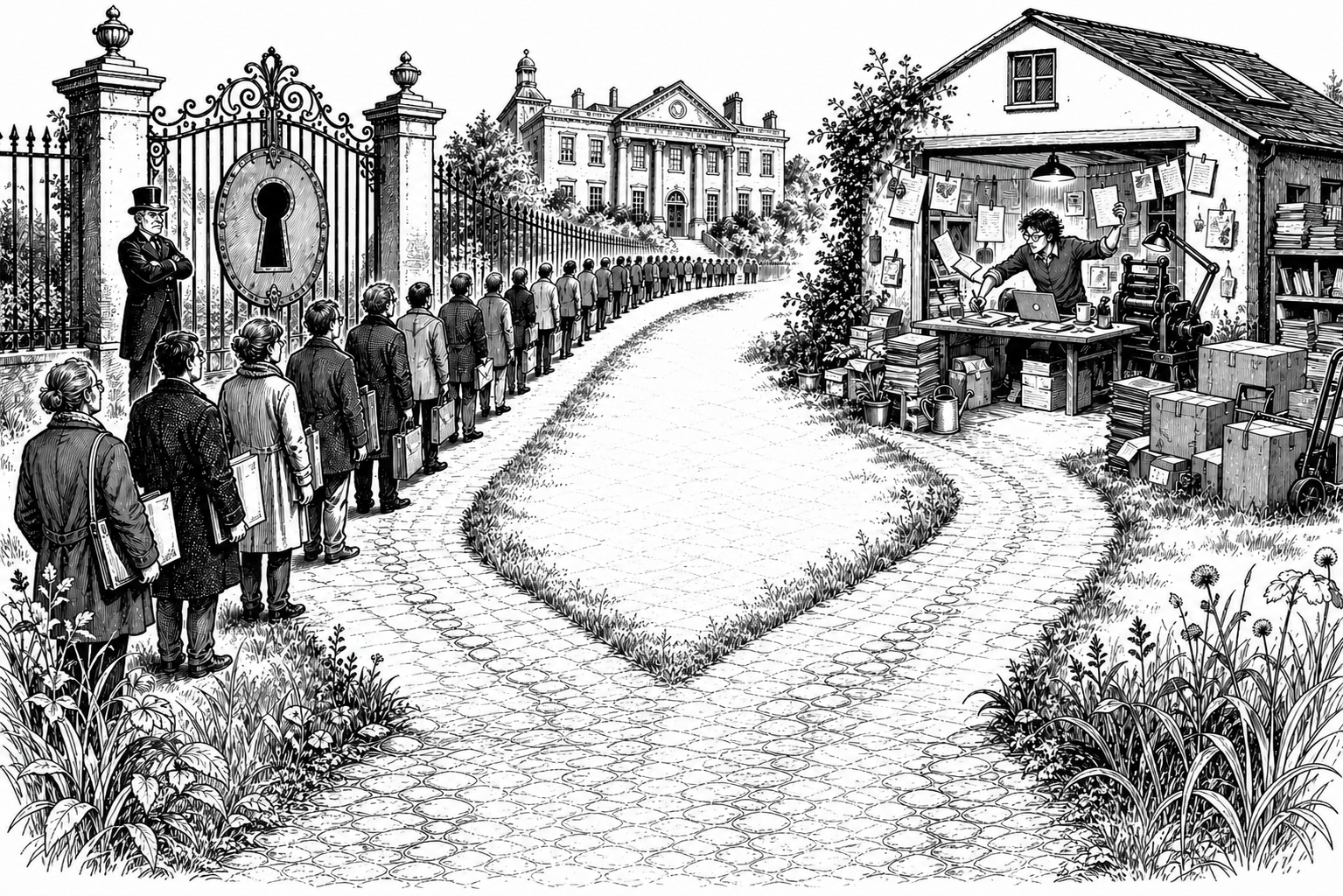
One route appears to offer legitimacy, bookshops and a large building full of competent adults. The other offers control, speed and the opportunity to become every competent adult in the building yourself. Neither description is entirely false. Neither is enough to make the decision.
The question is not which route is easier. It is which difficult job you are better equipped to do.
First, separate independent publishing from vanity publishing
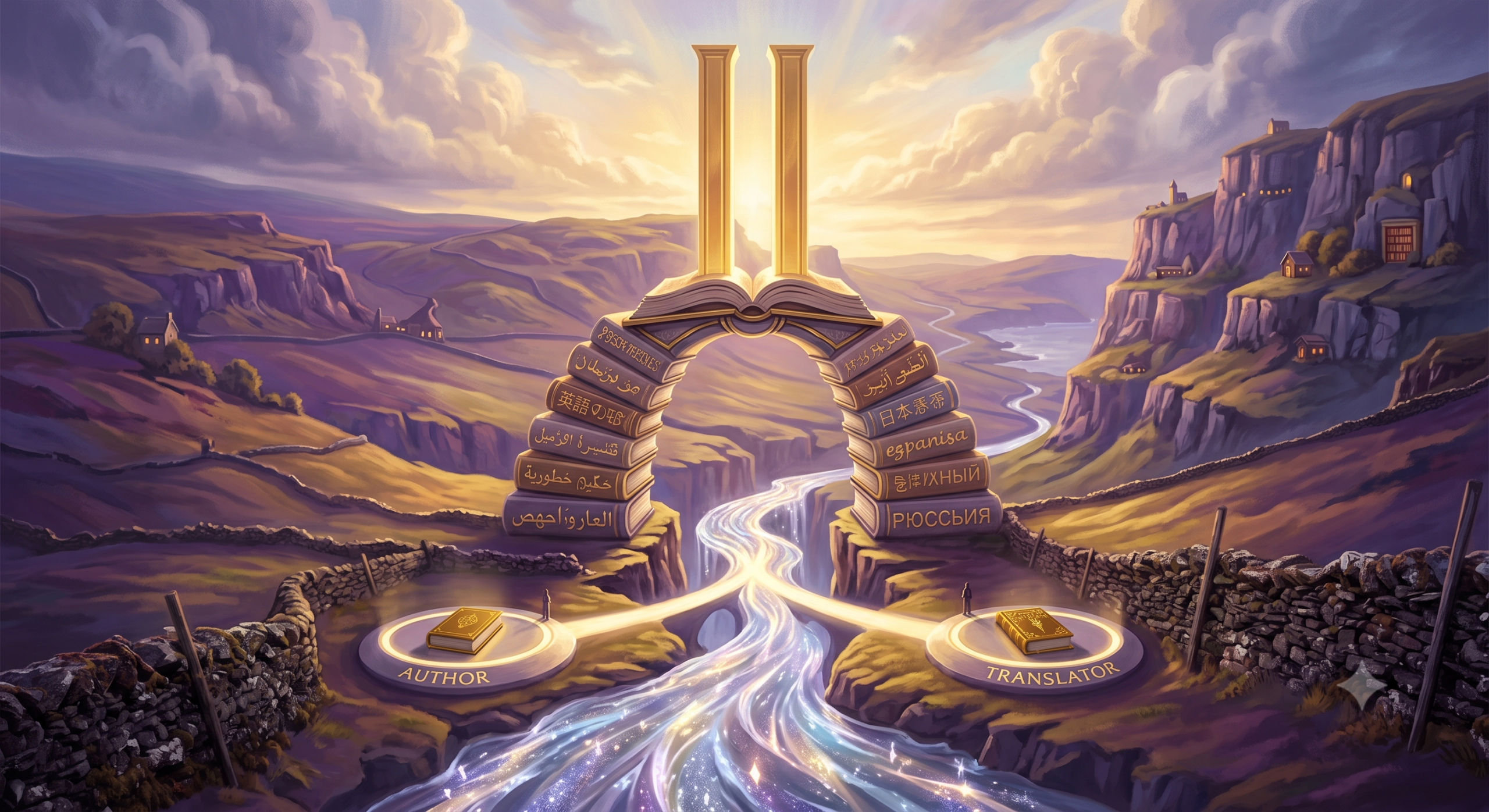
These are not different names for the same thing. Independent publishing means that you are the publisher. You control the book and hire the services it needs. A vanity press sells the author a publishing package while presenting itself as the gate through which legitimacy must pass.
That distinction matters because vanity presses are extremely good at finding new writers at the exact moment the process begins to look terrifying. Editing, cover design, formatting, distribution and bookshops are placed on the table in one gleaming bundle. The writer hears, “We can get your book into stores,” and reasonably imagines books on shelves. What it often means is that a shop could order a copy if somebody first walked in and asked for it.
Possibility of supply is not demand. A catalogue entry is not a window display. And paying a company to manufacture your book is not the same arrangement as a publisher investing in it.
What traditional publishing actually offers
A traditional publisher supplies structure. There should be editorial work, production, cover design, distribution, sales relationships and the administrative machinery required to turn a manuscript into a commercial product. More importantly, the publisher is investing money and expects to recover it through sales to readers—not primarily by selling services to the writer.
That does not mean a grateful nation immediately clears its shop windows for your debut. Major publishers receive far more manuscripts than they can publish, many will not consider unagented submissions, and the decision may still rest with a very small number of people making a commercial judgement. They are experienced people, one hopes, but they have not been issued with prophetic powers.
An agent may get a manuscript through a door the author cannot reach alone. An established publisher may have access to distribution, retailers and media contacts that an independent author would have to build or buy. Those are real advantages. They are not a promise of fame, lavish publicity or a tasteful pyramid of your novels beside the bookshop till.
Traditional publishing also means surrendering some control. The publisher may have firm views about the title, cover, schedule, editing, formats, pricing and how the book is positioned. If you find the idea of somebody else choosing the jacket physically upsetting, note that now, before entering a relationship designed around somebody else investing in the product.
A publisher is not in business merely to put your words into print. It is there to sell those words at a profit.
What independent publishing actually requires
Independent publishing gives the author control. The vision can travel from manuscript to finished book without being repainted by a committee. You choose the editor, the cover, the formats, the price, the timetable and the route to market.
You also inherit the committee.
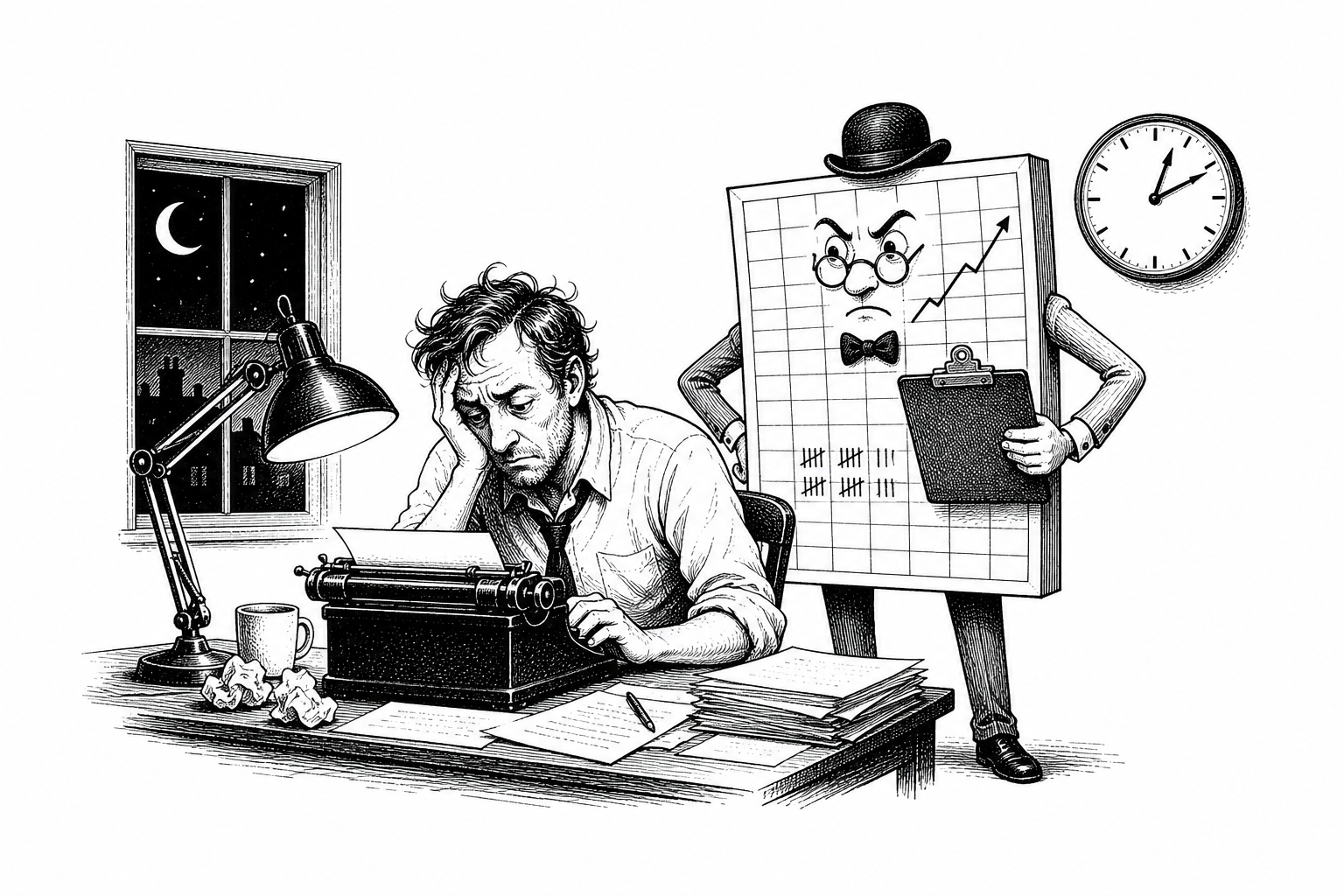
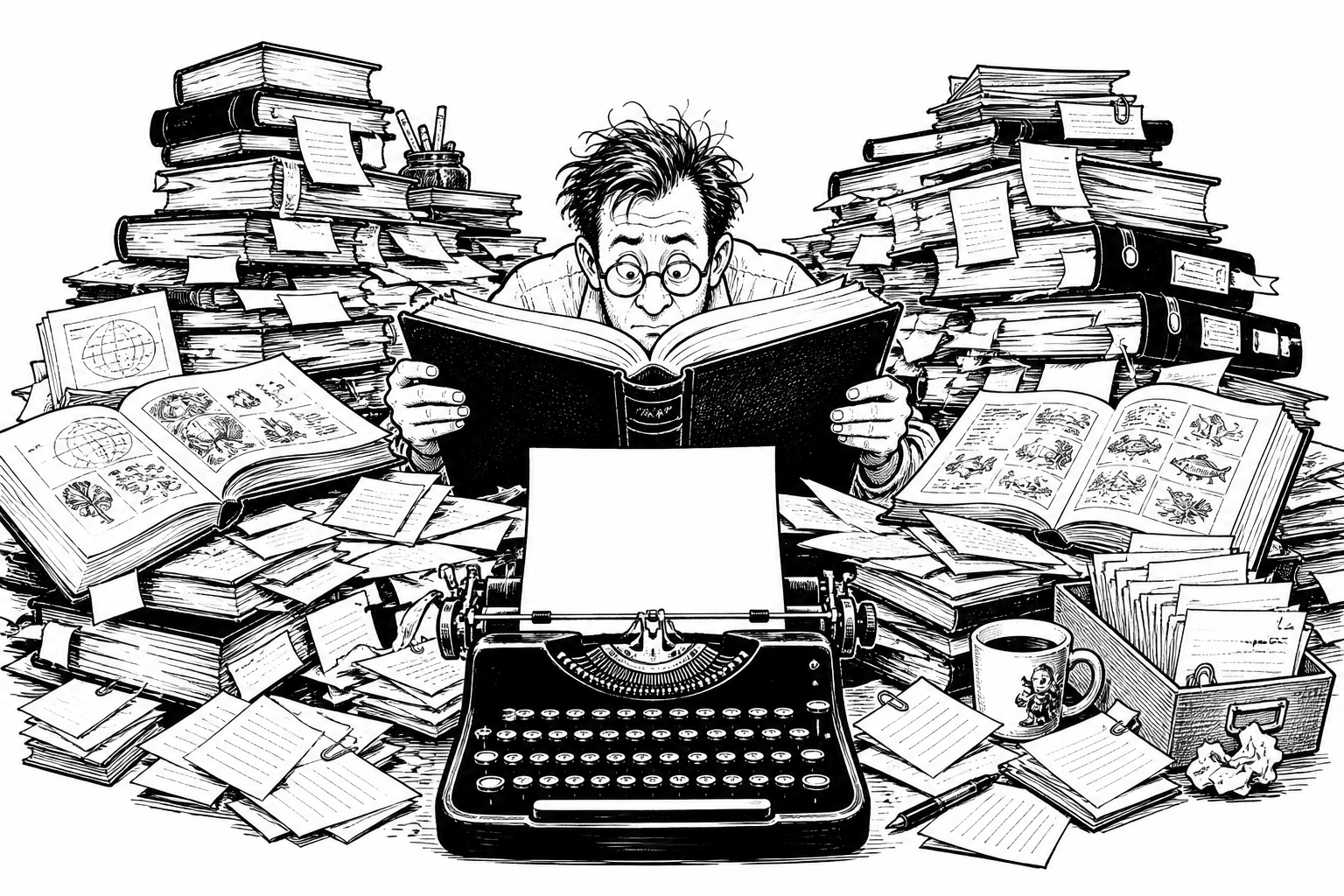
The author becomes responsible for developmental editing, copy-editing, proofreading, cover design, typesetting, ebook conversion, metadata, ISBNs, pricing, retailer accounts, distribution, publicity, advertising, bookkeeping and every platform that moves a button immediately after you have learned where it is.
You do not have to perform all those jobs personally. In many cases, you absolutely should not. Technology allowing you to put words over an image does not make you a cover designer, just as owning a red pen does not make you an editor. But you must recognise the jobs, find competent people, judge their work and pay for the parts you cannot do properly.
Thirty years in publishing does not produce a romantic answer here. It produces a practical one: professional standards still matter. A weakly edited manuscript, an amateur cover and a blurb that recounts the plot like a witness statement do not become competitive because the upload succeeded.
KDP gives you a platform, not an audience
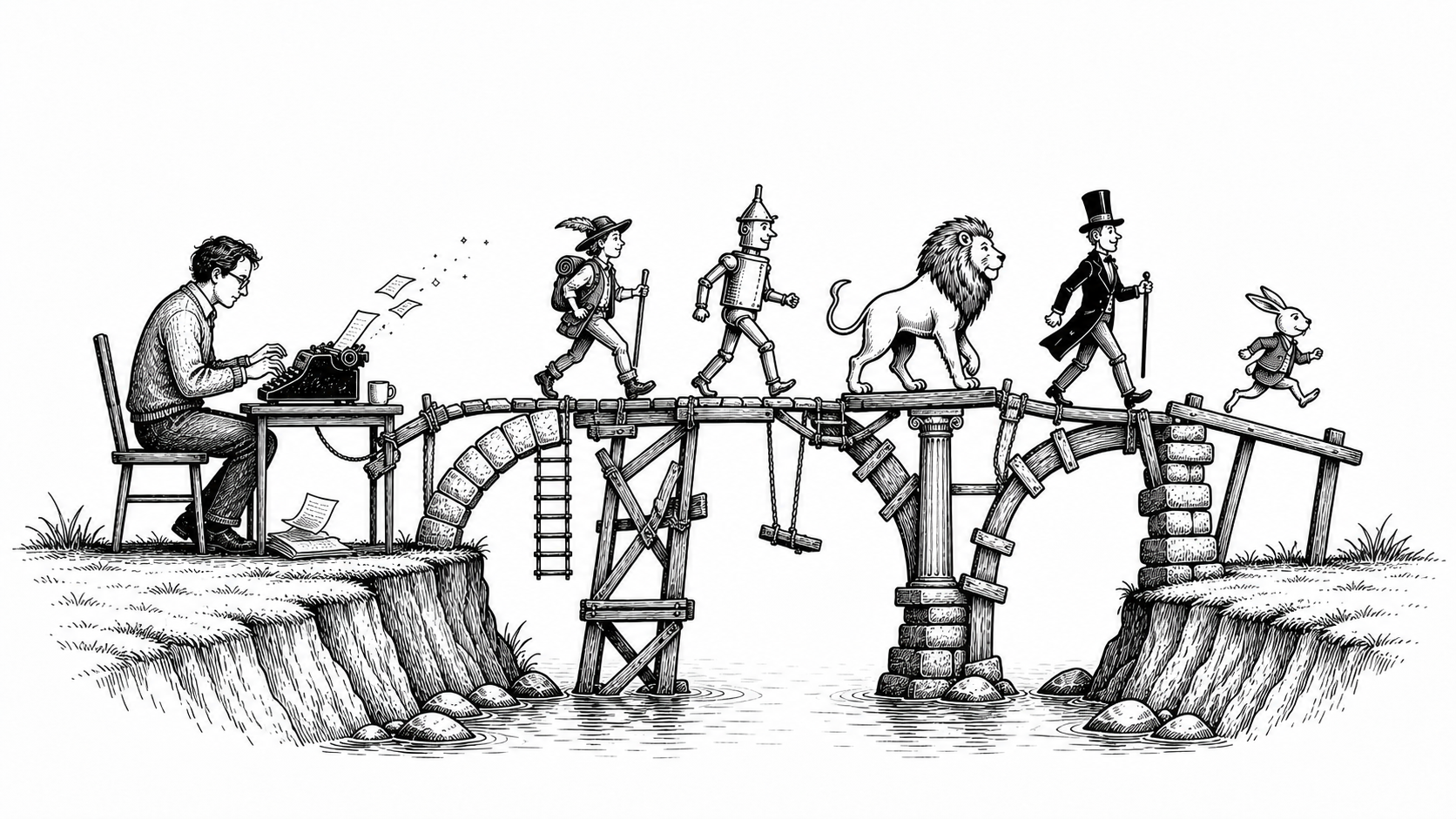
Amazon KDP and other self-publishing platforms removed an enormous barrier. A writer can make a book available around the world without persuading a traditional publisher to take it first. That is genuinely transformative.
It is also where “publish it and they will come” begins causing casualties.
The platform can accept a properly prepared interior, cover, description and set of metadata. It can display the book, process the order and arrange delivery. It cannot make strangers care. Discoverability begins after availability: positioning, categories, keywords, reviews, publicity, audience-building and the long business of persuading somebody to spend their latte money on an author they do not yet know.
Independent publishing has opened the gates to excellent books that might otherwise never have appeared. It has also opened them to books whose entire quality-control department was apparently out for lunch. Readers have learned to be cautious. A serious independent publisher therefore has to work harder to signal that the book has been treated as a professional product rather than uploaded during an outbreak of confidence.
KDP gives you a platform. It does not give you an audience.
The decision may depend on the person, not the writer
Writers naturally ask which kind of writer suits each route. The more useful question is what kind of person is making the choice.
Independent publishing suits somebody who wants control, can make decisions, organise people and processes, learn commercial systems and accept that the work continues after the writing stops. If you lack some of those skills, you need the budget to hire them. If you have neither the skills nor the budget, independence may deliver a book file to a retailer but not the publishing operation required to support it.
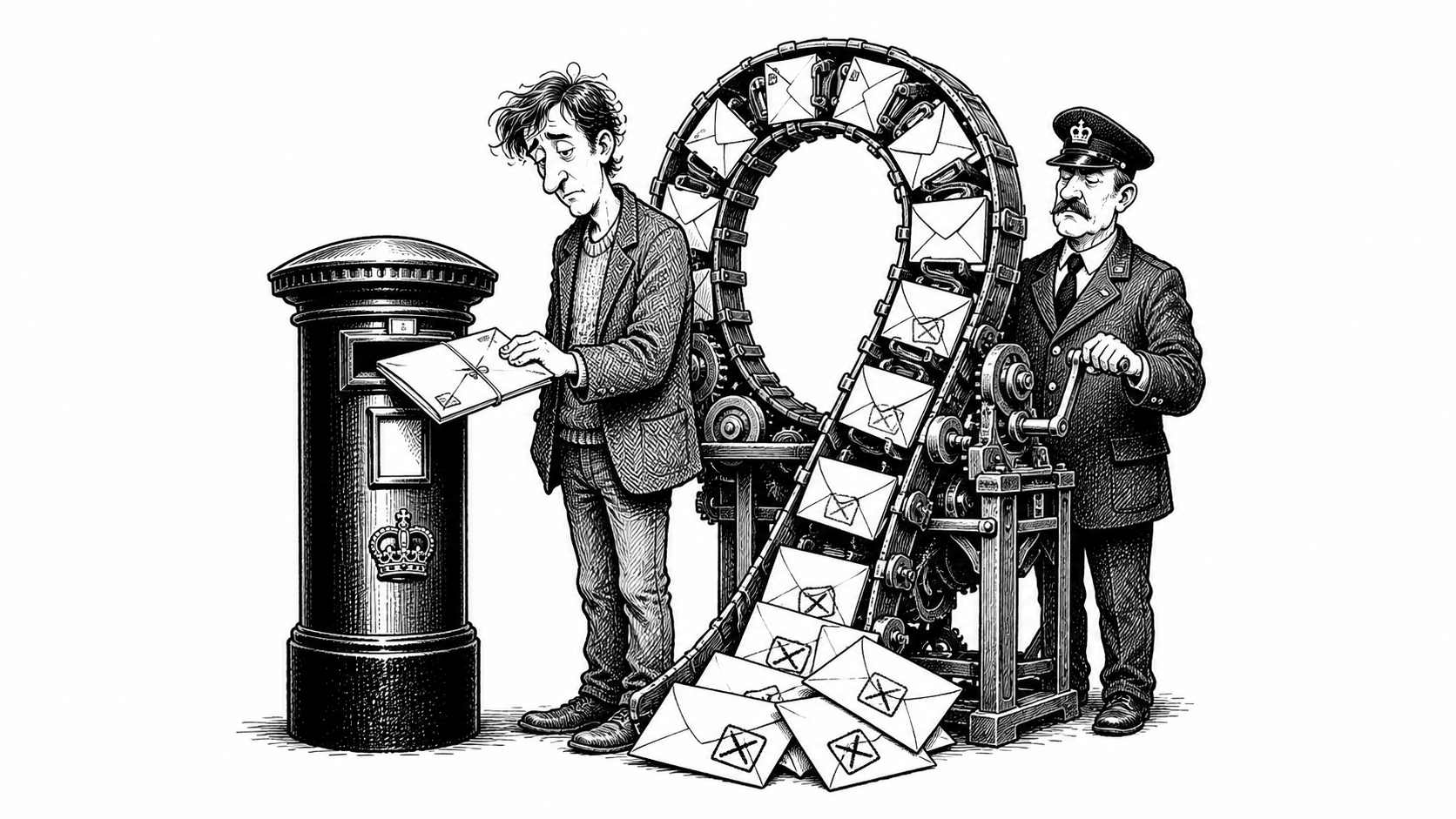
Traditional publishing may suit somebody who prefers an established structure and is prepared to relinquish part of the control in return. But that route requires persistence through agents, submissions, rejection and waiting, followed—if accepted—by contracts, deadlines and commercial decisions that are not yours alone.
Neither route frees the author from helping readers discover the book. A traditional publisher may support publicity, particularly where it expects a strong return, but a new author should not assume that a marching band and national advertising campaign are waiting behind the contract. The pavement may still require beating. It will simply have a publisher’s logo on the shoes.
Ask these questions before choosing
- How much creative and commercial control am I genuinely willing to surrender?
- Can I manage editing, design, production, distribution and discoverability—or afford competent people who can?
- Am I prepared for agents, submissions and rejection if I pursue a traditional deal?
- Do I want a publishing partner, or do I want to build a publishing operation?
- Am I choosing on the evidence, or chasing the emotional badge of being “properly published”?
There is no moral victory in either answer. Independent publishing is not traditional publishing’s embarrassing relative, and a traditional deal is not automatic proof that every reader will love the book. Both can produce excellent work. Both can produce material that makes a proofreader stare silently out of a window.
The right route is the one you can support properly. Traditional publishing asks you to convince other people to invest in the book and accept their involvement in it. Independent publishing asks you to become the investor, organiser and final quality-control department.
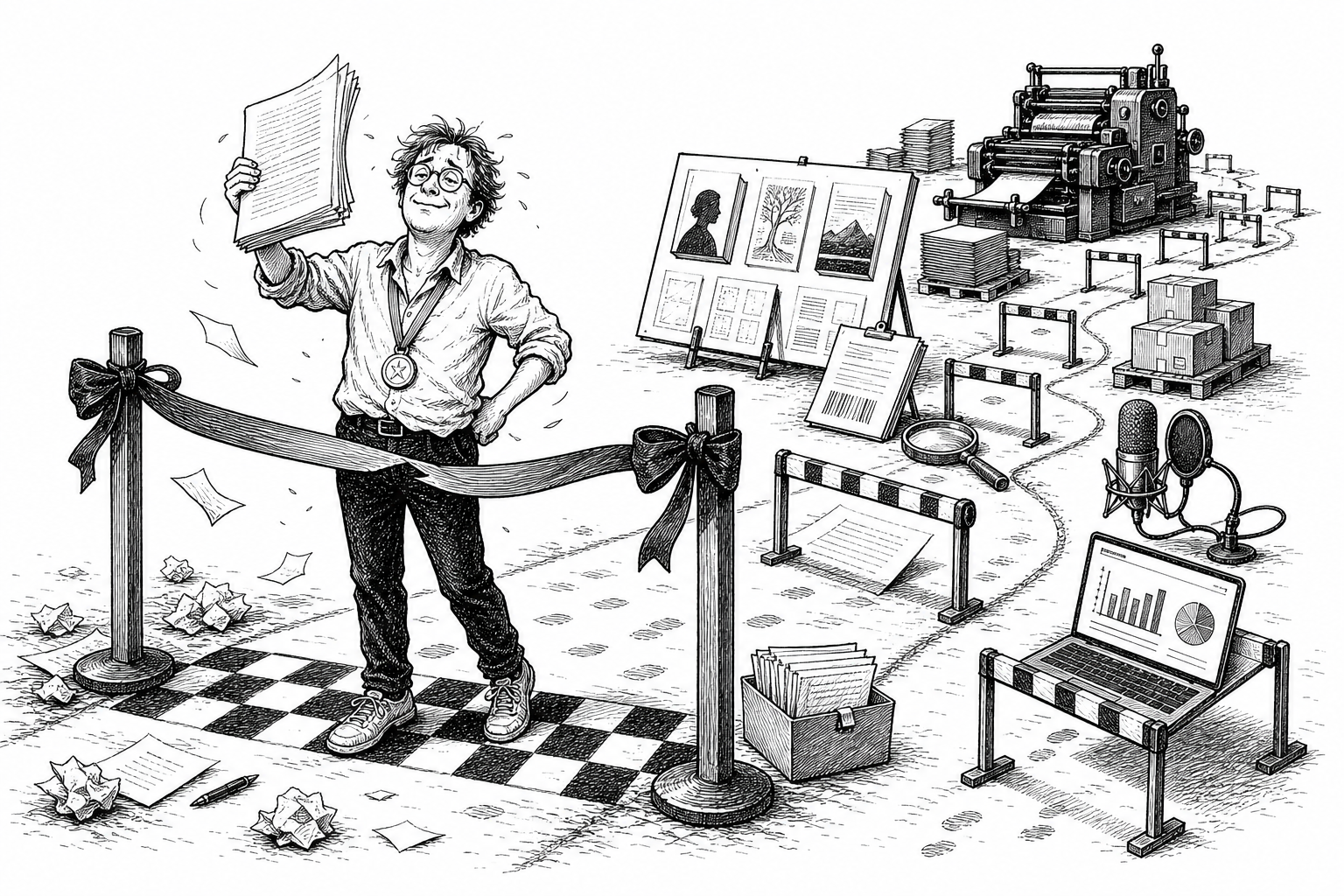
Whichever branch you take, both are hard work. The useful difference is choosing the hard work that matches who you are—and understanding what you have just volunteered to become.
If the manuscript is finished and you are now discovering how many departments have arrived, start with So You Finished the Book. Now What? It maps the machinery before any of it begins making noises.












Leave a Reply