

There is a new and deeply unromantic reason to keep your early drafts. One day, somebody may want to know whether you actually wrote the good one.
Jerry Adedayo Falade’s experience has made that question painfully concrete. His case is a July publishing story with a continuing practical lesson for authors, rather than a fresh cancellation announced this week.
What was reported
According to Publishers Weekly’s 4 August reporting, Falade’s agents withdrew Call Me, I’ll Hide the Body from submission on 29 July. US and UK deals had attracted attention, with offers reportedly exceeding $2 million; precisely which rights that figure covered remained unclear.
PW saw an agency email saying the agents could no longer establish that the manuscript was entirely human-written. Falade denied using AI to write it and shared messages from 2021 showing earlier fiction work. PW also said the exact basis on which the manuscript had been judged remained unknown.
Those distinctions matter. A reported withdrawal is a fact about a publishing process. An accusation is not proof of AI authorship; an author’s denial is his account, not an independent determination of the dispute.
The manuscript has acquired a paperwork problem
For a writer watching from the sidelines, the unnerving part is easy to understand. You might spend years trying to get someone to read your work, then discover that reading it is no longer the end of the examination. There may also be questions about how it came into existence.
The sensible response is neither panic nor the ritual feeding of every paragraph into whatever detector is currently enjoying its week on social media. It is to keep an ordinary, credible record of the work.
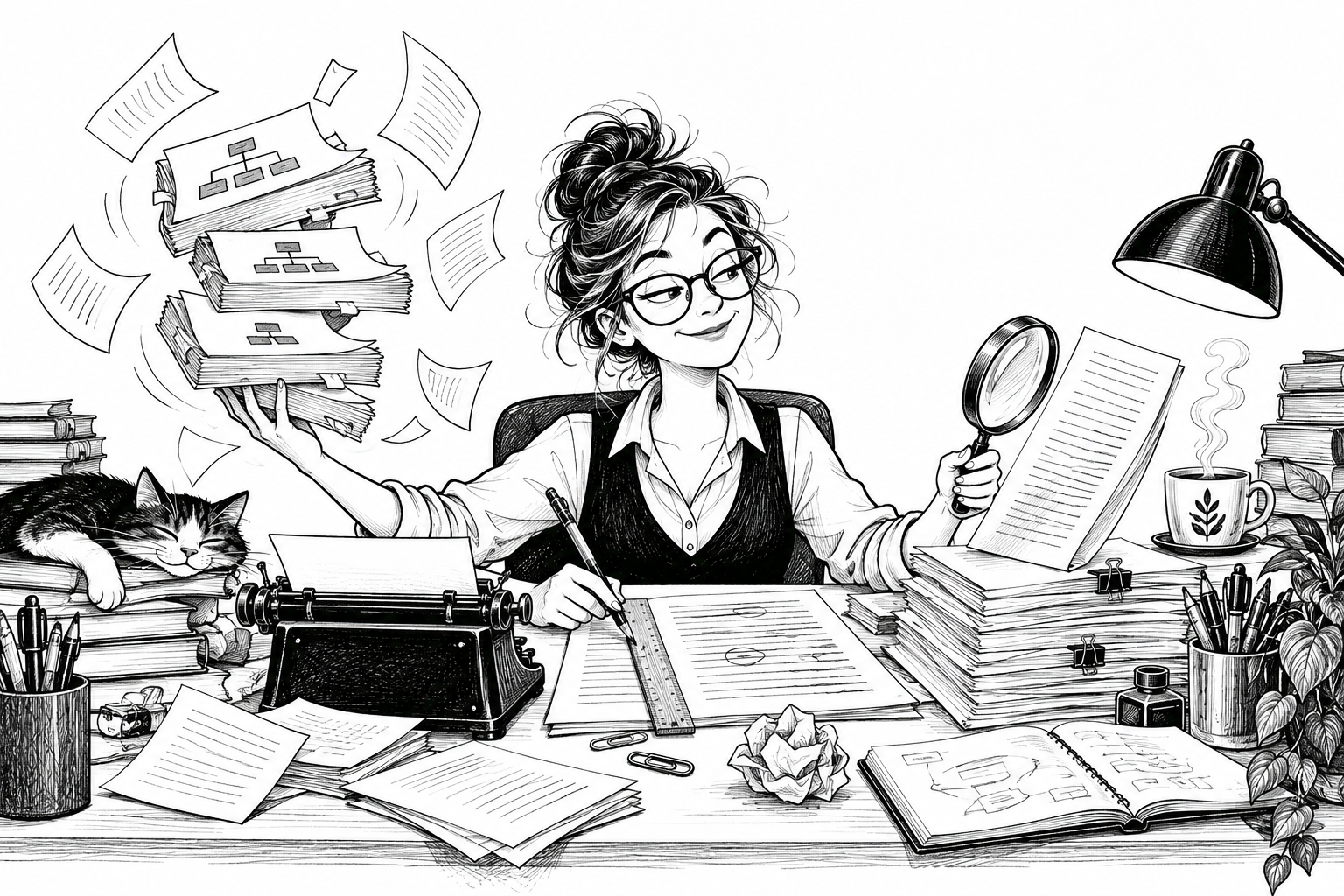
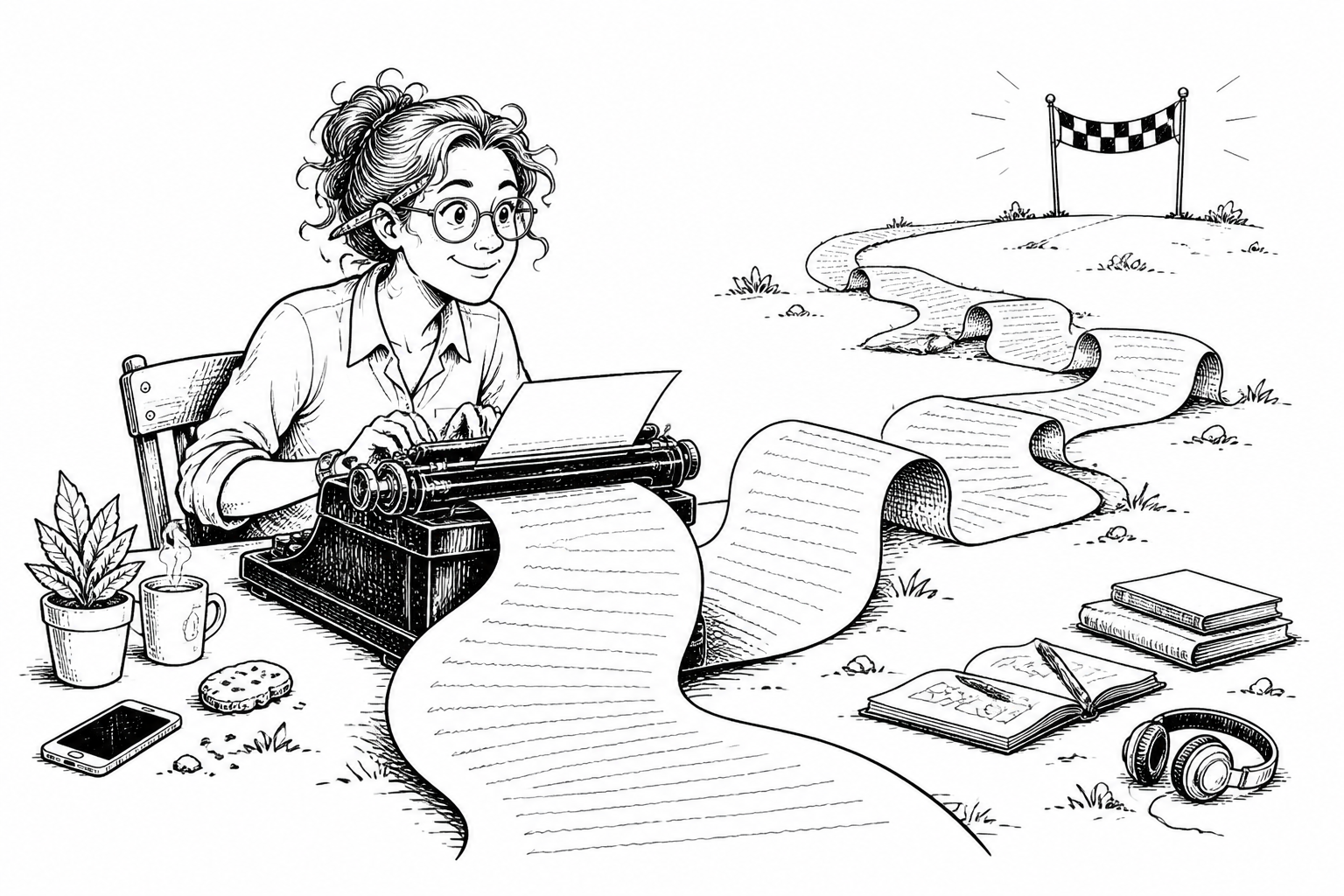
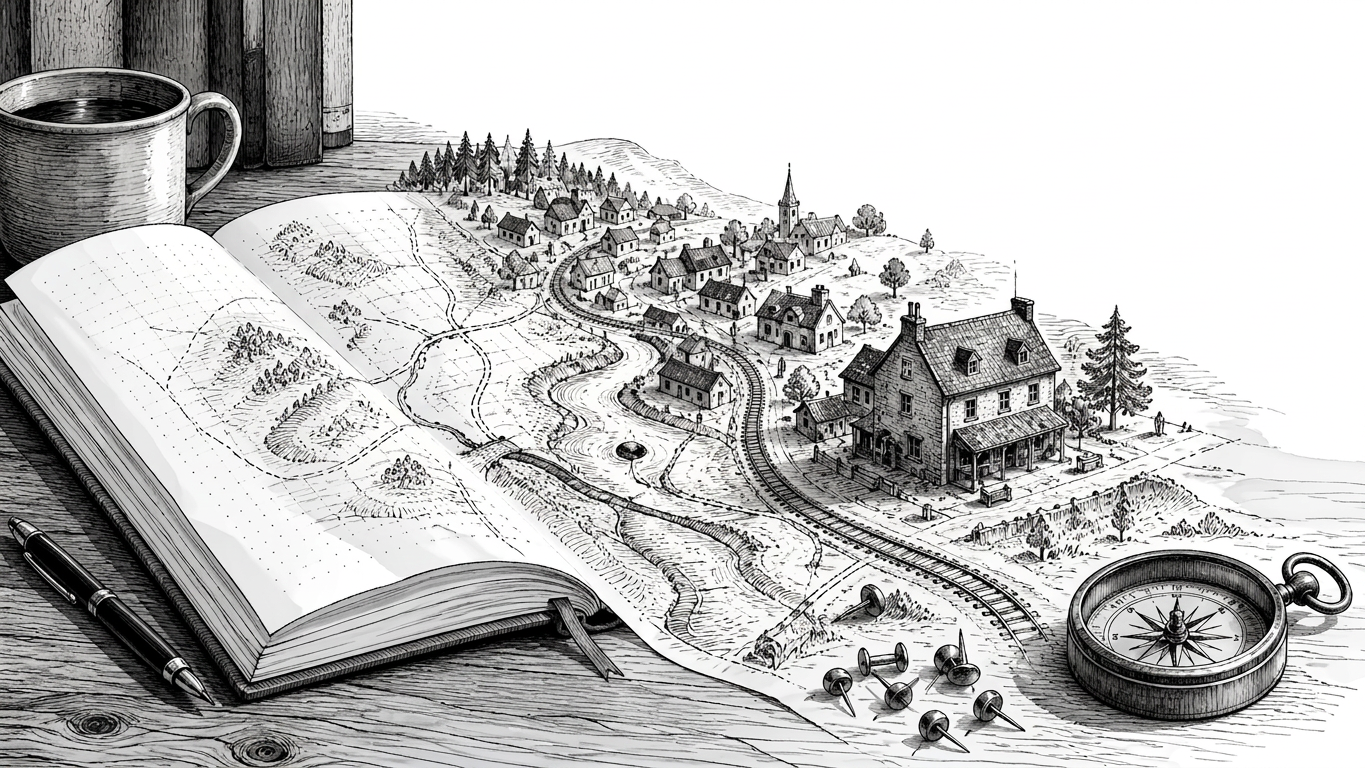
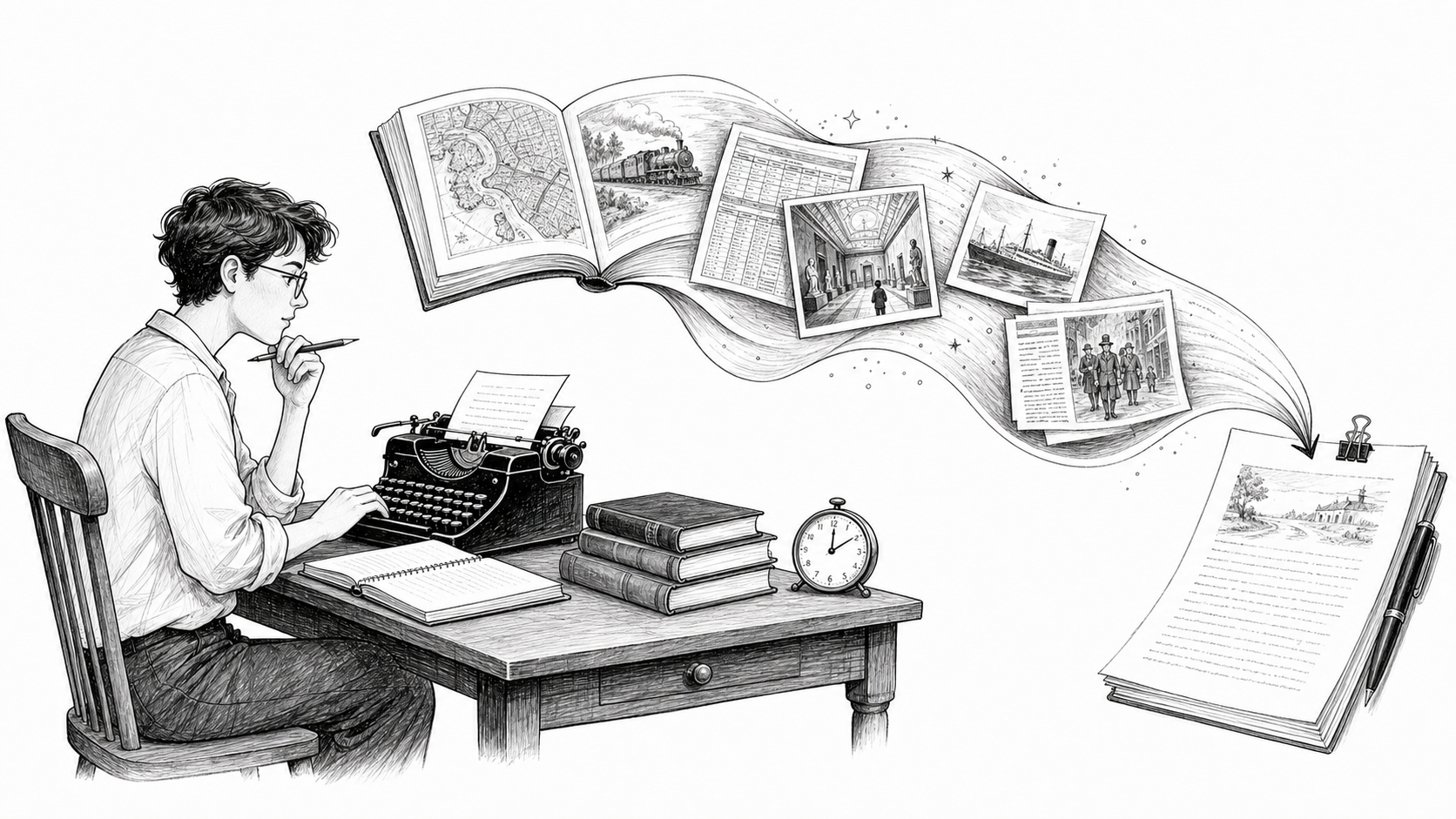
Preserve dated drafts and meaningful versions. Keep your outline, research notes and editorial exchanges. If you use a writing service with version history, understand what it retains and keep your own backups. Save the files you send to agents and editors, so you can identify the version they actually received.
This is not a demand to document every cup of coffee. Nobody needs a sworn affidavit explaining why Chapter Seven spent four months as ‘fix this bit’. The useful record is the development of the manuscript: what changed, when it changed and who worked on it.
Ask the question before it becomes an accusation
If you use AI tools at any stage, ask an agent or publisher what its policy means before submission. Spell out the activity you are asking about. Research assistance, copy suggestions and generated passages should not be bundled into one vague assurance that you ‘occasionally use technology’.
Ask how concerns would be raised and what evidence you would be invited to provide. A clear conversation while everybody is still enthusiastic is preferable to discovering the terms of the discussion after somebody has cancelled it.
Keeping drafts cannot guarantee a deal will survive a dispute. It does give you material with which to explain your process. That is a practical safeguard, not a verdict on Falade or a promise that the industry has agreed on a fair test.
The wider uncertainty also reaches retailers, as our report on Barnes & Noble and AI-written books explores. Authors need clear expectations from the people selling and representing their work. Suspicion is a poor substitute for a stated policy.
For now, keep the messy versions. They may be embarrassing. They are also yours.
Analysis based on reporting checked 8 September 2026. The withdrawal dates to 29 July; the allegations remain disputed in the reporting cited. This article does not determine how the manuscript was written.






Leave a Reply