
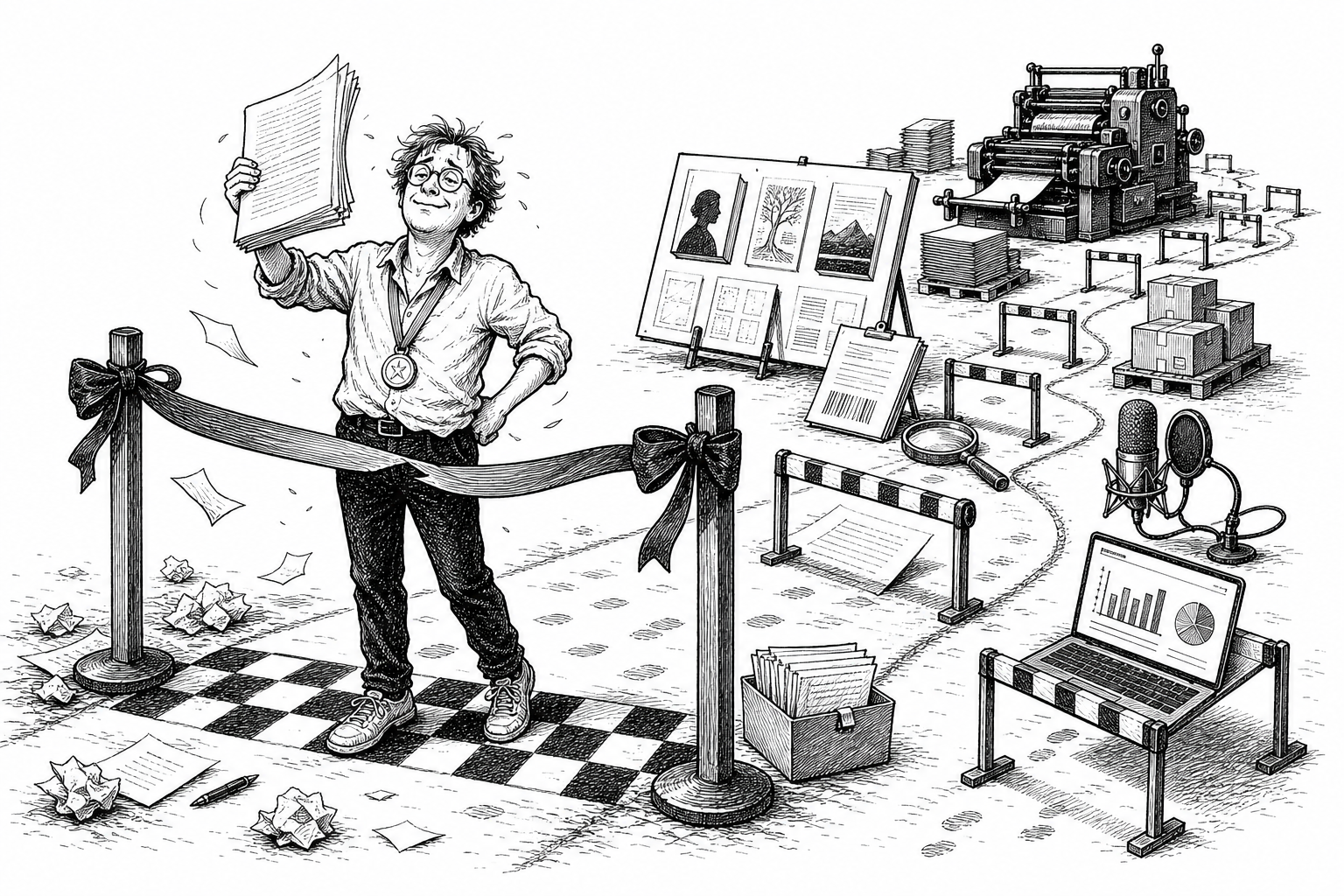
The Self-Publishing Partnership sold authors a straightforward arrangement: it would prepare and distribute their books through Gardners, collect the sales income and pay the author their share. It is the sort of system designed to let a writer stop thinking about logistics and return to writing.
Which is fine, right up until the company handling the logistics stops trading while the books – and apparently some of the unpaid royalties – carry on without it.
What authors reasonably expected
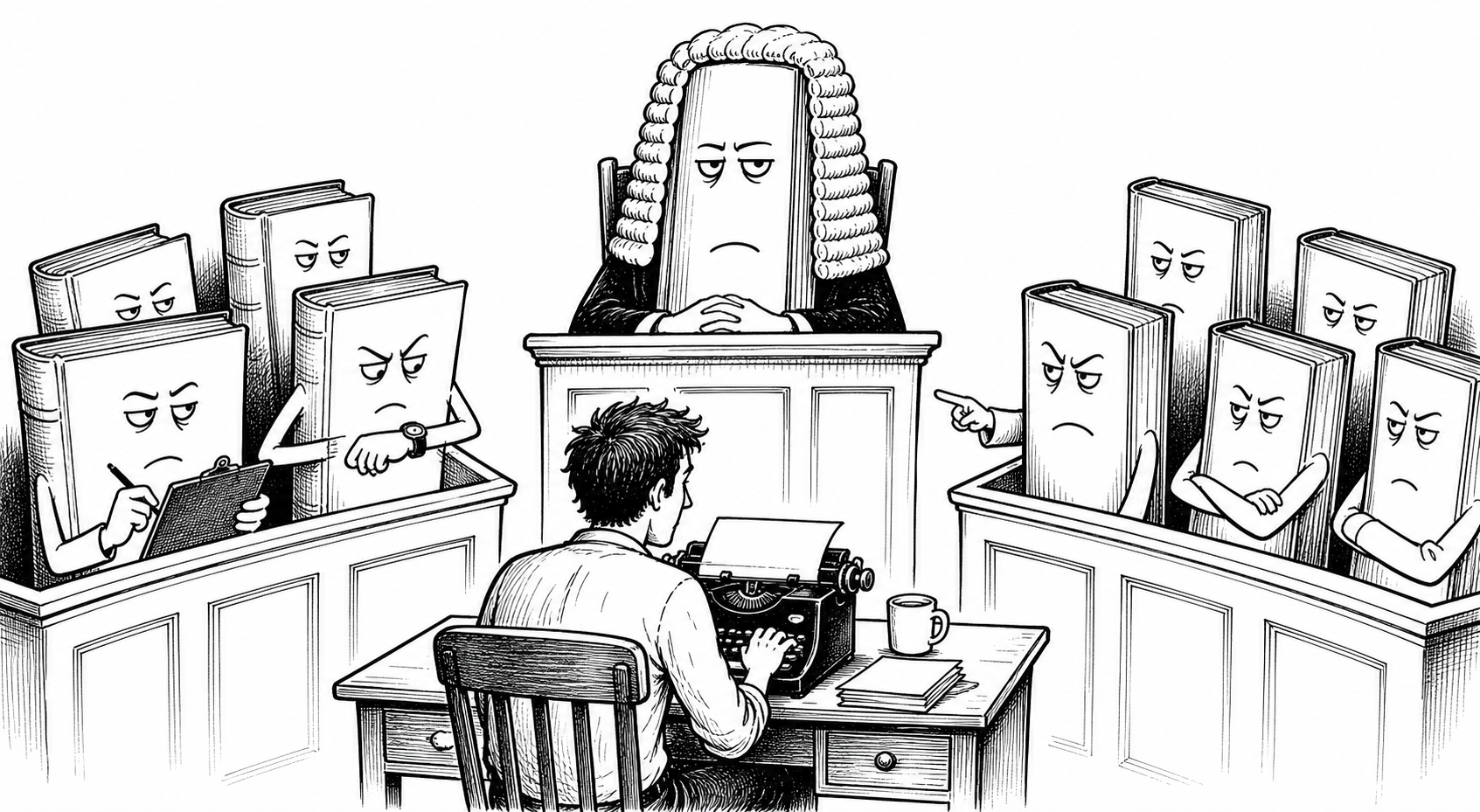
When a limited company fails, authors might reasonably expect a formal process: clear notices, a named insolvency route, an account of what is owed and instructions for creditors. Nobody expects it to be pleasant. They do expect paperwork to arrive before the business disappears into the shrubbery.
The books were still selling. The company responsible for passing on the money was no longer trading.
What actually happened
The Bookseller reported that the directors of the Self-Publishing Partnership Limited contacted authors in late June 2026 to say the business would cease trading because of increasing challenges. The company supported self-published authors with production, distribution through Gardners and royalty payments.
The company did not immediately enter administration. According to the report, it applied to be struck off only after The Bookseller began asking questions in early August, despite money still being owed to authors. One author received part of the royalties she was owed on 11 August, after challenging the attempt to dissolve the company while the debt remained. A further amount from later sales was still unresolved.
Meanwhile, the books themselves had not vanished. Gardners told The Bookseller it was aware of the situation and was helping affected authors find alternative arrangements so their books could remain available to booksellers. That is useful. It does not answer the question authors tend to ask when their books have sold: where is the money?
The Society of Authors said it was supporting affected members and urged others experiencing problems to get in touch. The precise number of authors affected and the total amount outstanding were not publicly established when this article was checked.
What this does – and does not – show
A business failure is not proof that the business was fraudulent from the beginning. The reporting describes a genuine publishing-services company and a genuine distribution arrangement that ended badly. The problem is not that the company never existed. It is what happened to authors, books and money when it stopped.
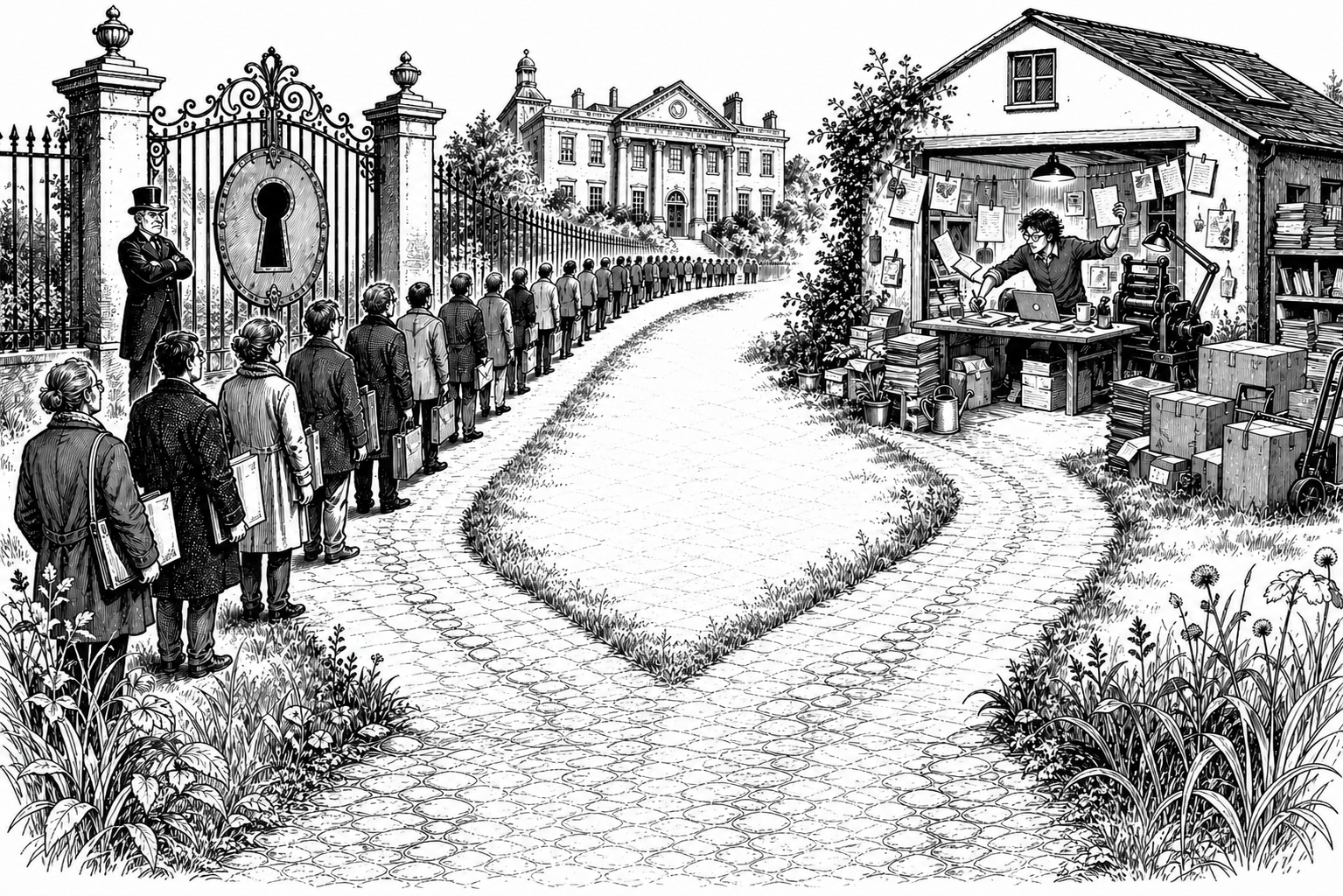
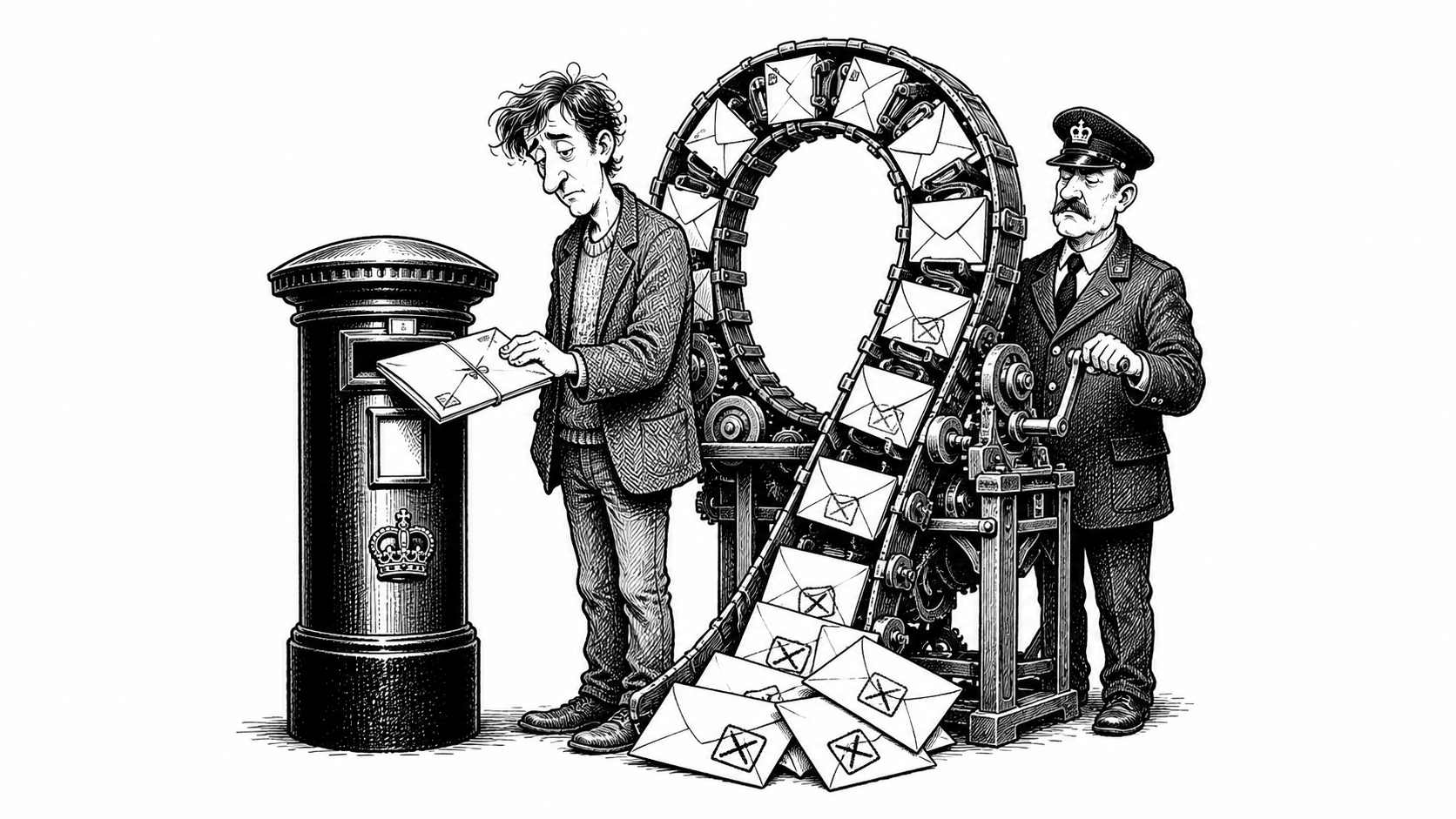
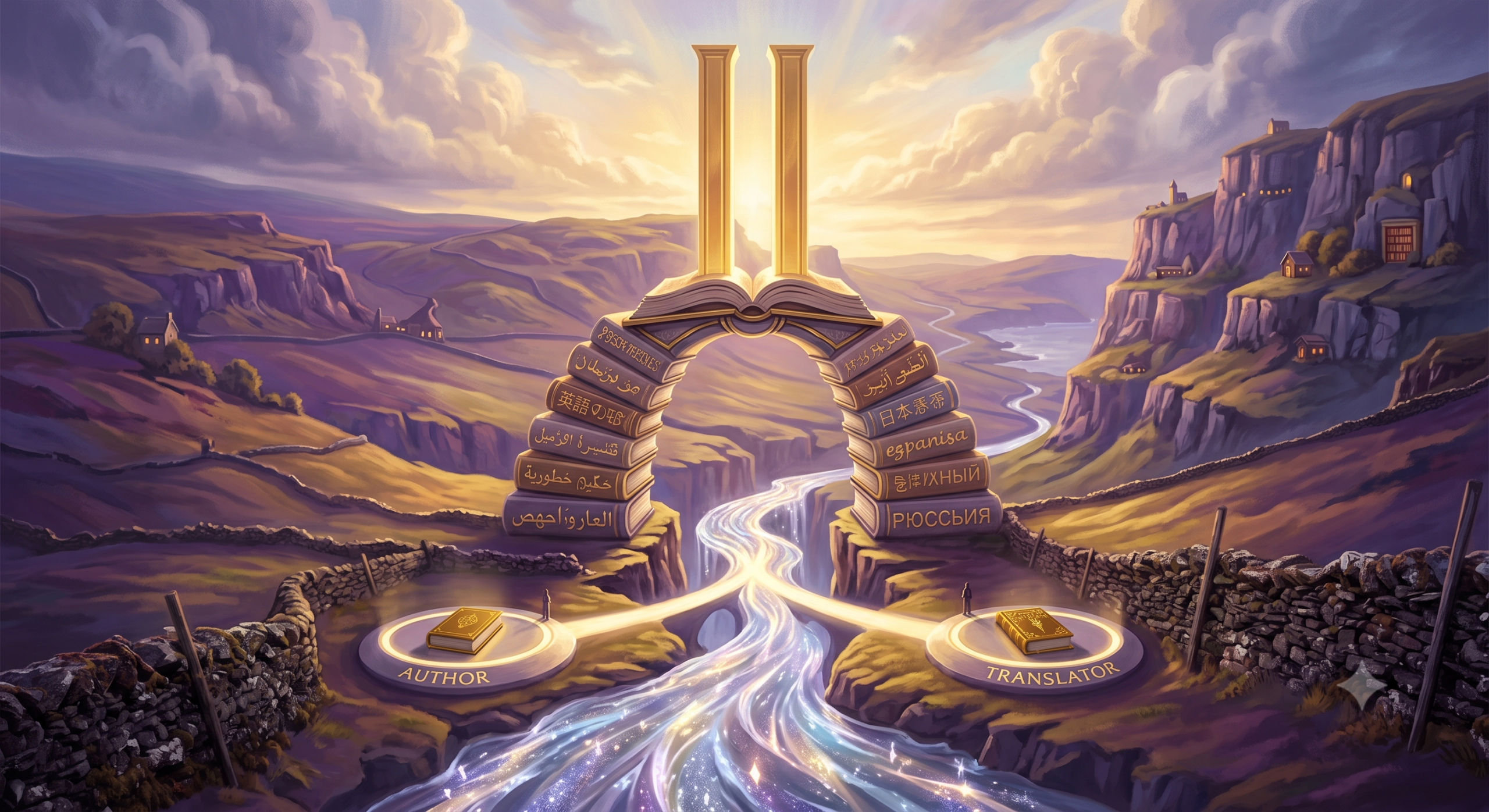
Nor is this simply a story about one company. Any arrangement that places a third party between a retailer and the author creates dependency. If the retailer or wholesaler pays the intermediary first, the author is relying on that business to report accurately, remain solvent and pass the money on.
If every sale passes through somebody else’s bank account, their bad quarter can become your publishing emergency.
The practical lesson for authors
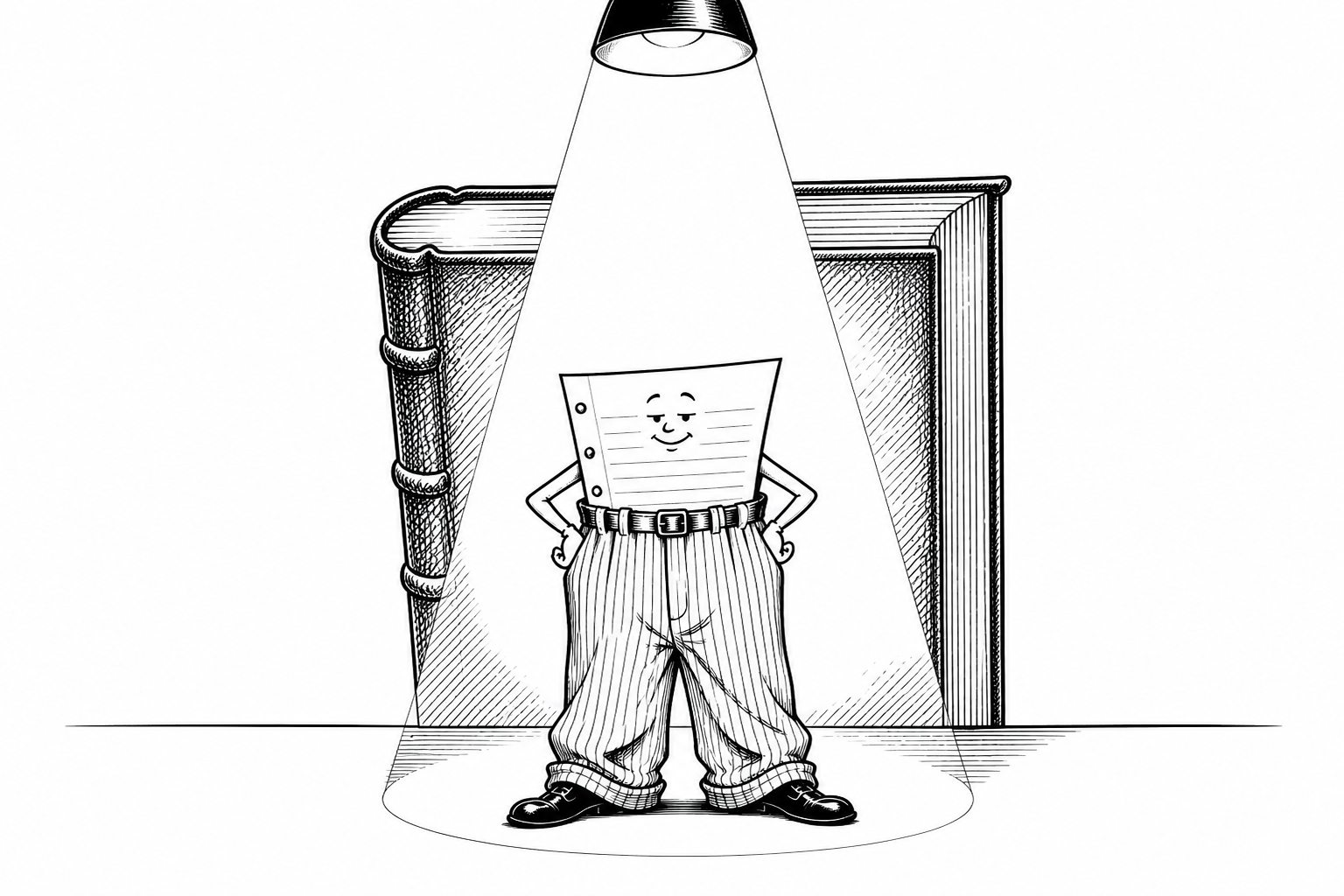
Authors hiring publishing help should know exactly which parts of the operation they still control. Before signing, establish the legal company named on the contract, who owns the retailer and distributor accounts, where sales income lands first, who controls the ISBNs and metadata, and whether you possess every final and editable production file.
- Check the company’s legal identity and filing history at Companies House.
- Ask authors who have been clients for more than a year whether statements and payments remained reliable.
- Keep copies of contracts, invoices, royalty statements and raw sales reports.
- Make sure you can recover your files, listings and distribution without the provider’s permission.
- Understand the termination process before you need to use it.
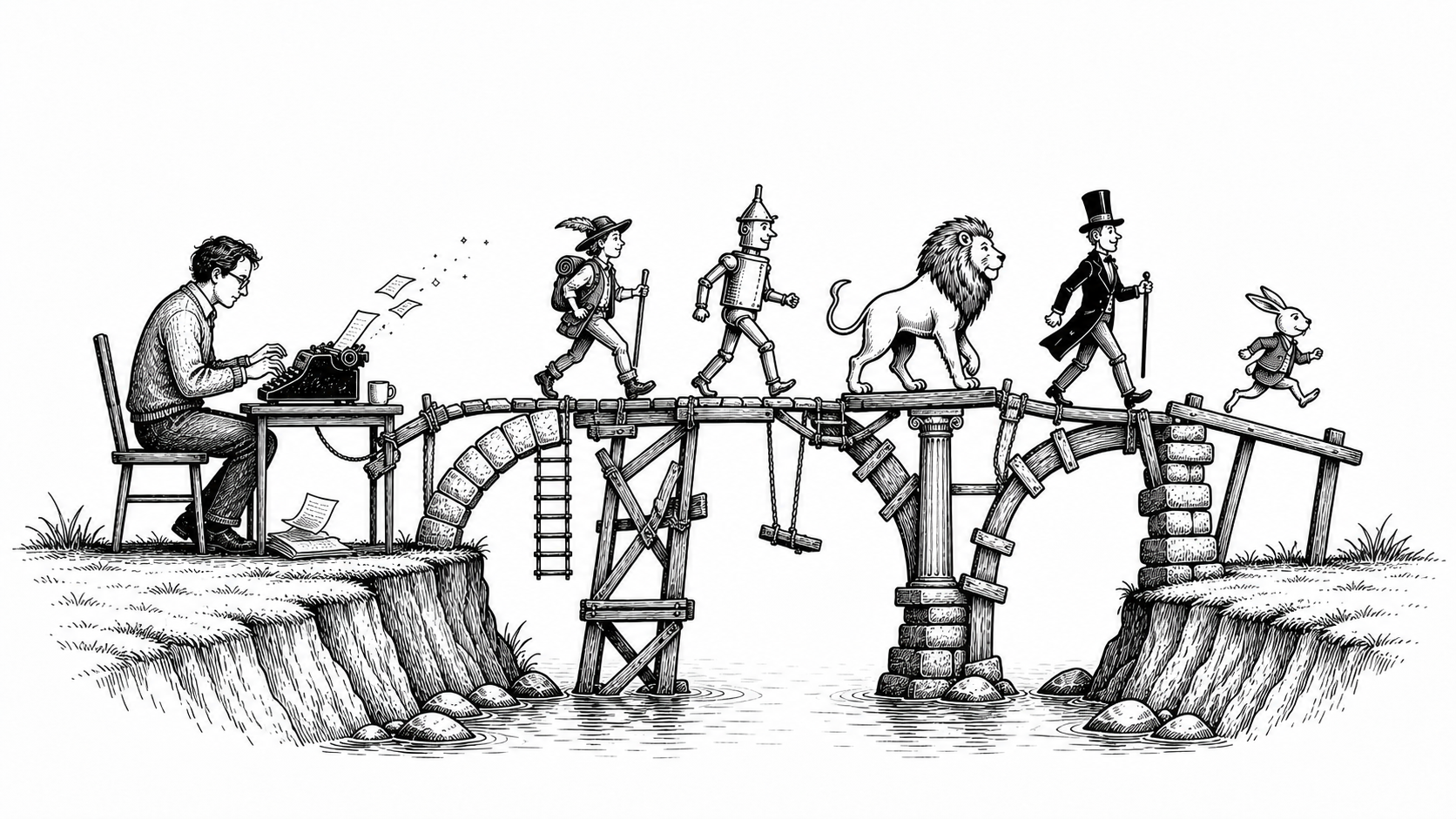
None of those precautions can prevent a supplier from failing. They can stop the failure from taking your publishing business, its records and its income trail into the hole with it.
If you are affected
Preserve the contract, invoices, correspondence, royalty statements and any screenshots or downloadable records that remain available. Confirm the exact legal entity involved and write down what you believe is owed, for which sales periods and on what evidence. Contact the distributor about the current status of the listings and contact an authors’ organisation or an adviser familiar with the relevant jurisdiction.
Do not assume that continuing availability means the payment route is continuing normally. A book can remain perfectly capable of taking orders while the machinery that delivers the author’s share has fallen down a flight of stairs.
For the wider lesson about choosing a publishing route and deciding how much control to retain, read Traditional Publishing or Independent Publishing?
Sources: The Bookseller – Authors left ‘in limbo’ over unpaid royalties after Self-Publishing Partnership collapses, 13 August 2026; Alliance of Independent Authors – Self-Publishing Partnership Collapse Leaves Authors Waiting, 18 August 2026. Reporting checked 21 August 2026.







Leave a Reply