

A novel is finished when there is nothing meaningful left to add. This sounds wonderfully decisive until the author remembers the epilogue, changes three commas, gives a minor character a childhood and spends Thursday wondering whether the dog needs a stronger emotional arc.
Books do not arrive with a small green light marked Complete. The word processor does not play a fanfare. Nobody from publishing headquarters appears at the door carrying a certificate and a sedative.
There is, however, a difference between a story being finished, a manuscript being ready for other people and a book being ready to publish. Confusing those stages is how writers either release work too early or revise it until the original author has technically become a different person.
First, has the story actually ended?
For the author-publisher whose three decades of experience inform this article, the first sign is instinctive: the story reaches its proper climax and there is a distinct internal click. It has a beginning, a middle and an end. The central movement has completed itself. The characters have performed the work the novel asked them to do, and the major arcs have arrived somewhere rather than merely running out of road.
This is not the same as saying every sentence is polished. A skeleton draft can contain the entire story while still looking as though it should be kept away from open flames and paying customers. The backbone is there. The flesh, tailoring and socially acceptable punctuation come later.
The story can feel finished long before the manuscript is ready to leave the house.
If the ending has not landed—if the promised confrontation never arrives, the character arc quietly evaporates or a subplot is last seen wandering through chapter nineteen—then the book is not finished. It has stopped. These are not the same condition.
Finished is not the same as ready
A finished story still has to survive revision. The climax may be present but underfed. A revelation may make perfect sense to the author because the missing explanation has been living comfortably in his head for six months. A character may complete an arc with such subtlety that everybody else assumes she has simply left the building.
That is why there are at least three separate moments:
- The story is finished: its essential narrative journey and ending exist.
- The manuscript is ready for feedback: it can be read coherently from beginning to end without the author sitting beside it explaining the difficult bits.
- The book is ready to publish: revision, editorial work, outside feedback and final production checks have done their jobs.
Declaring victory at stage one is optimistic. Refusing to proceed beyond stage two because a semicolon may still be living an imperfect life is the opposite problem.
The ending needs witnesses
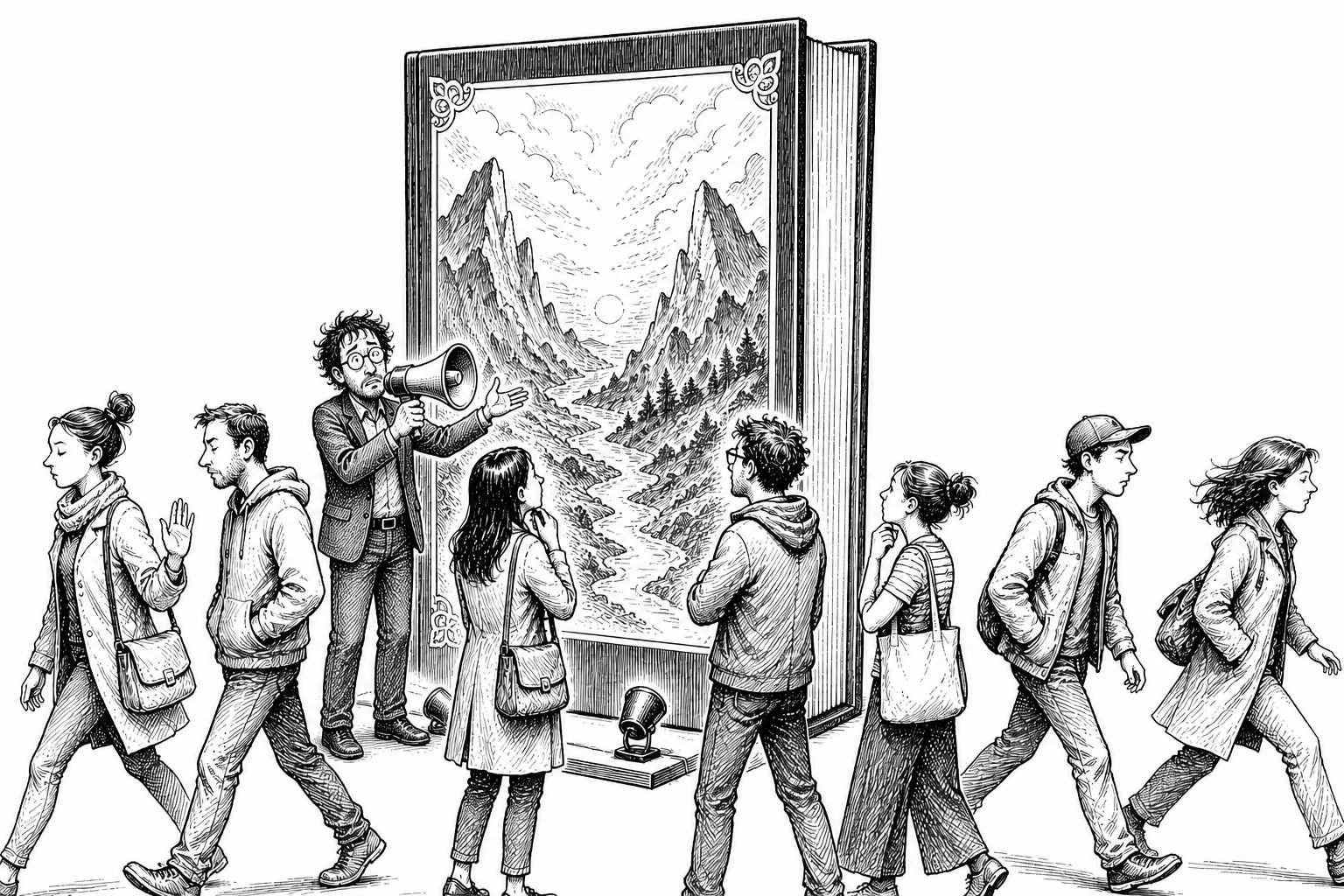
An author knows the intended book. A reader only knows the book that reached the page. That difference is precisely why outside feedback matters.
You may have experienced the click. You may know exactly why every thread is resolved. Then a suitable reader asks what happened to the promise made in chapter four, and an entire loose end rises from the carpet wearing a name badge.
The answer is not to hand the manuscript to the nearest person willing to say it is wonderful. As we discuss in when to show your novel to other people, useful feedback comes from readers capable of recognising the machinery: editors, experienced genre readers, trusted focus groups and people who can distinguish constructive criticism from applause.
A novel is not finished because the author has exhausted himself. Exhaustion is evidence of writing, not completion.
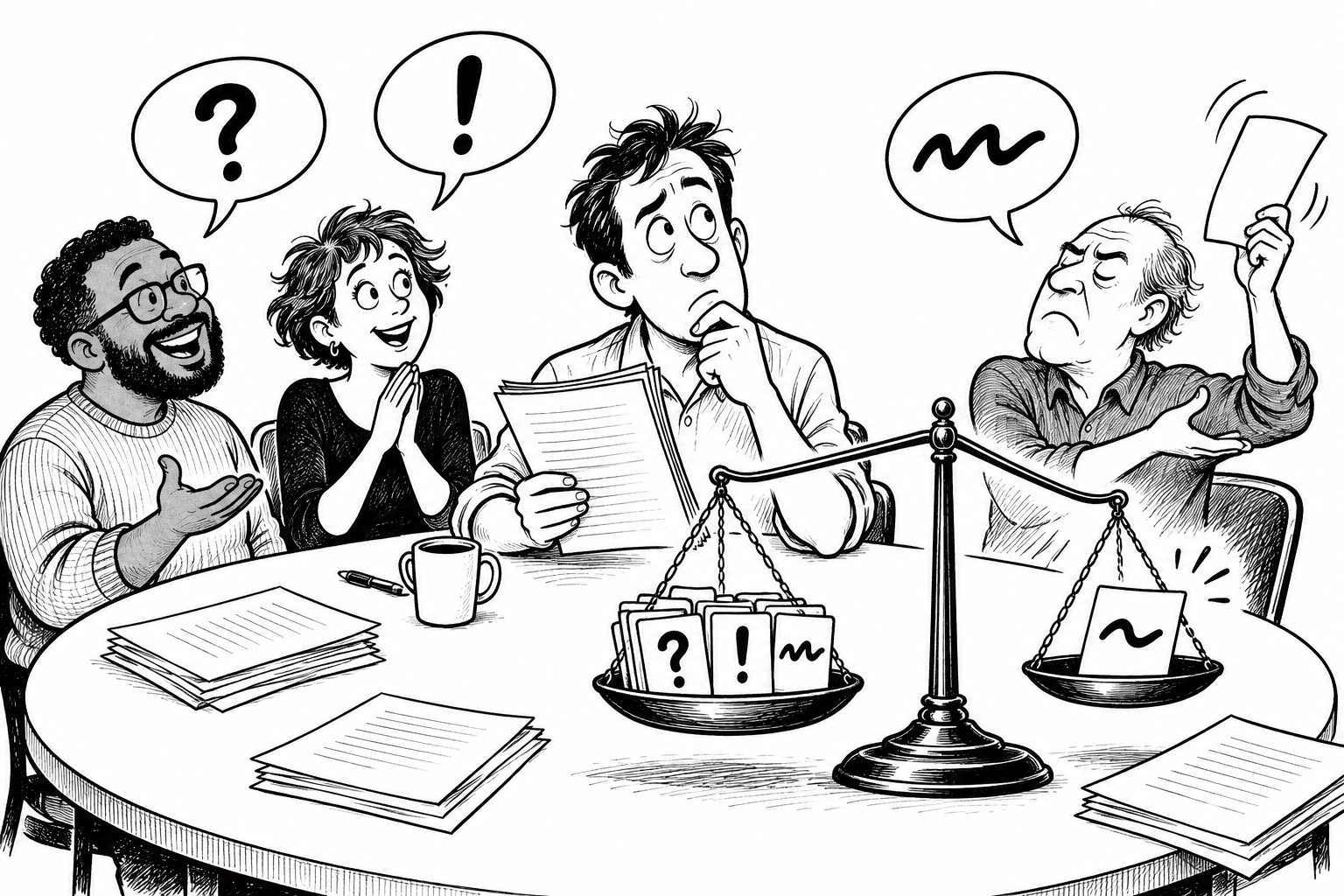
If several qualified readers feel the ending is rushed, important questions remain unanswered or the climax does not deliver what the novel promised, listen. They may not know the right repair, but they have found the loose floorboard.
Revision can improve a book—or hide it
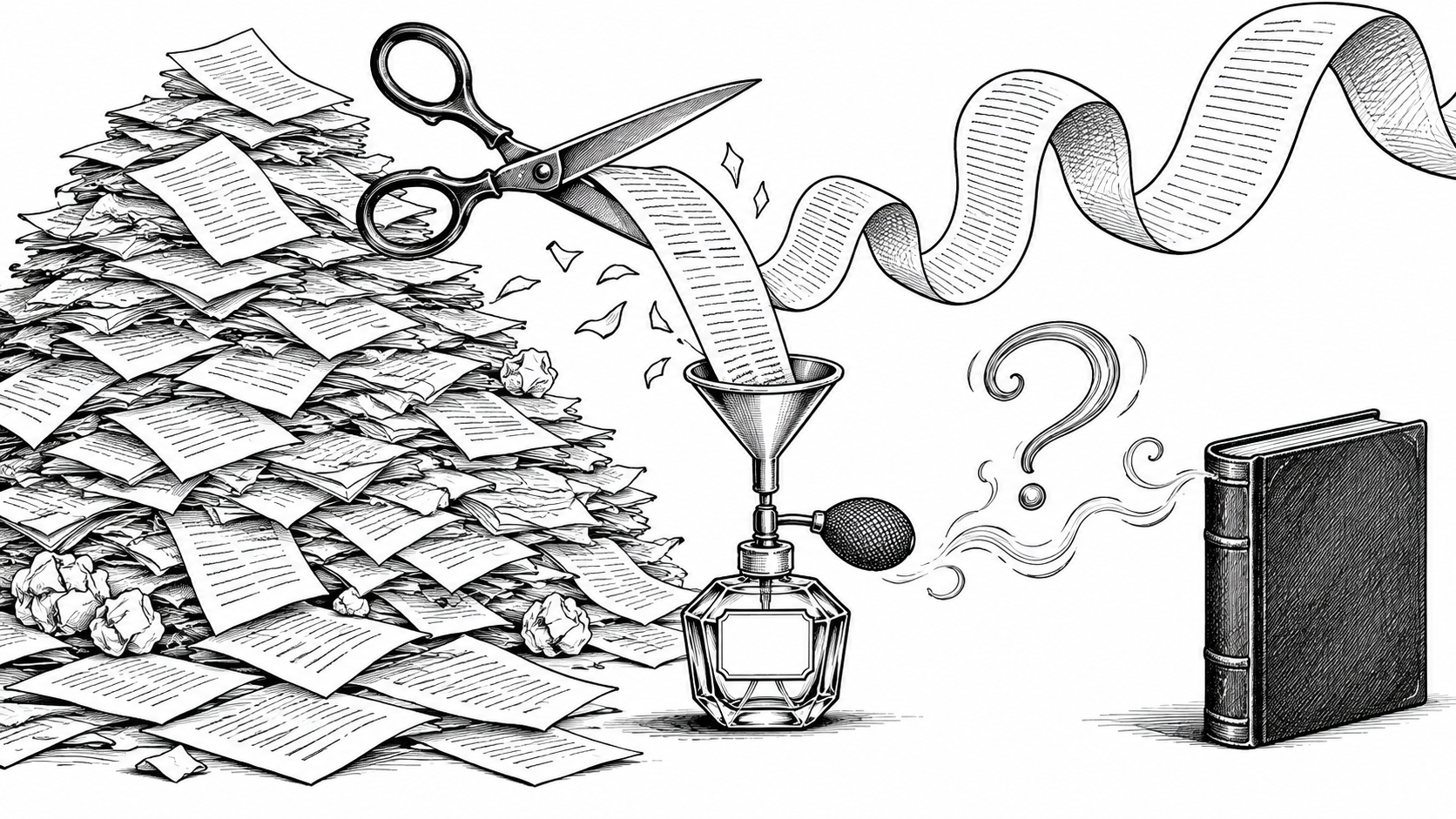
New writers are especially vulnerable to permanent revision. A first novel can feel like a public examination of the author’s entire worth, so another pass appears safer than allowing anybody to see it. A word changes here. A sentence moves there. Six months later, the commas are magnificent and the book remains unpublished.
Professional experience changes that relationship. Seasoned writers usually become more instinctive about when polishing has stopped adding value. They have another project waiting, tapping its watch. They also understand that no manuscript becomes invulnerable through repeated exposure to the Find and Replace box.
This does not mean experienced writers stop caring. It means they learn to separate useful revision from anxiety in a respectable coat.
You could revise it for the rest of your life
Look back at something written ten years ago and you will probably see sentences you would now change. Your taste has changed. Your judgement has changed. You have changed. Revising the old book indefinitely would not perfect the writer you were; it would replace that writer with the one currently interfering.
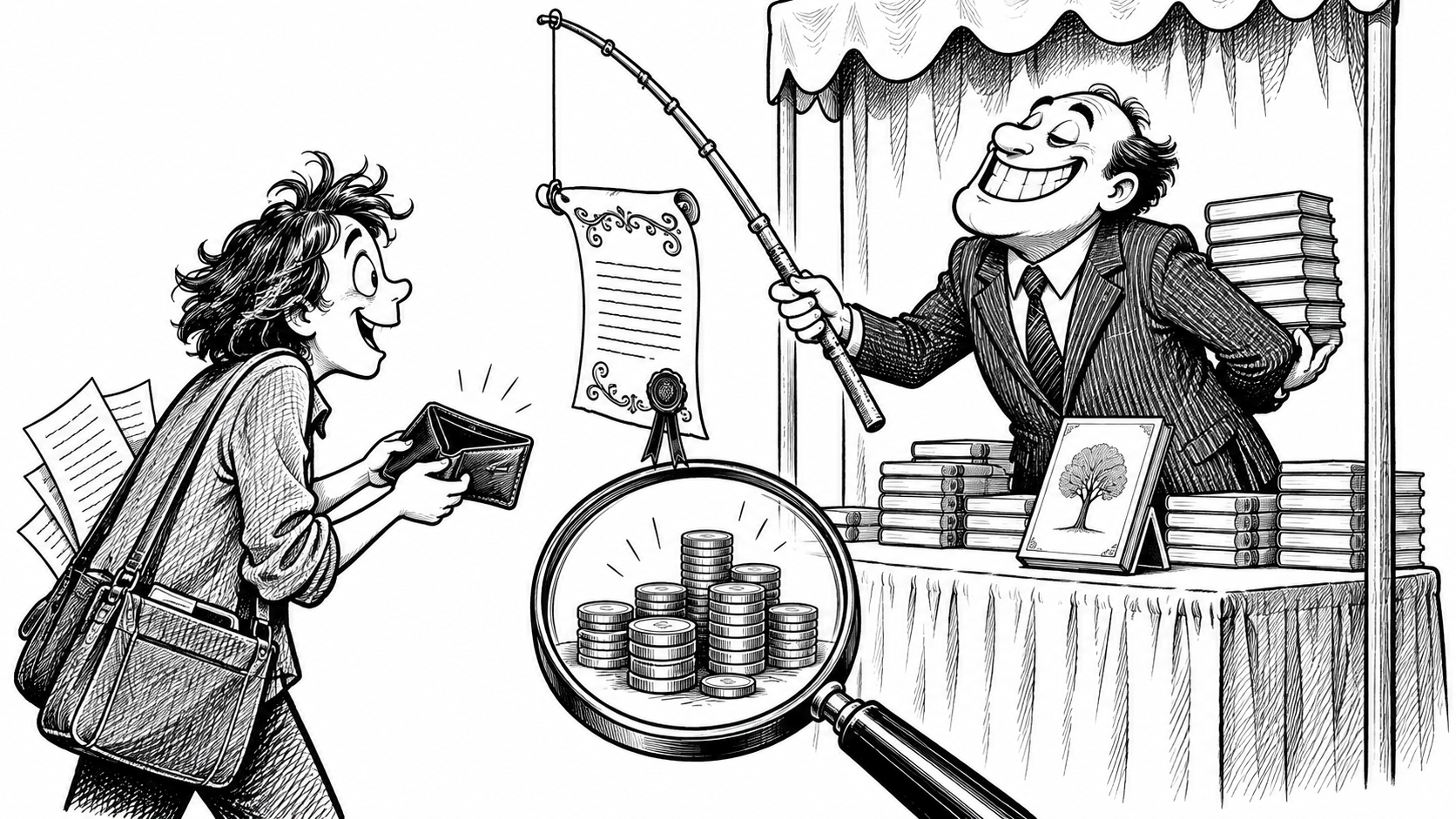
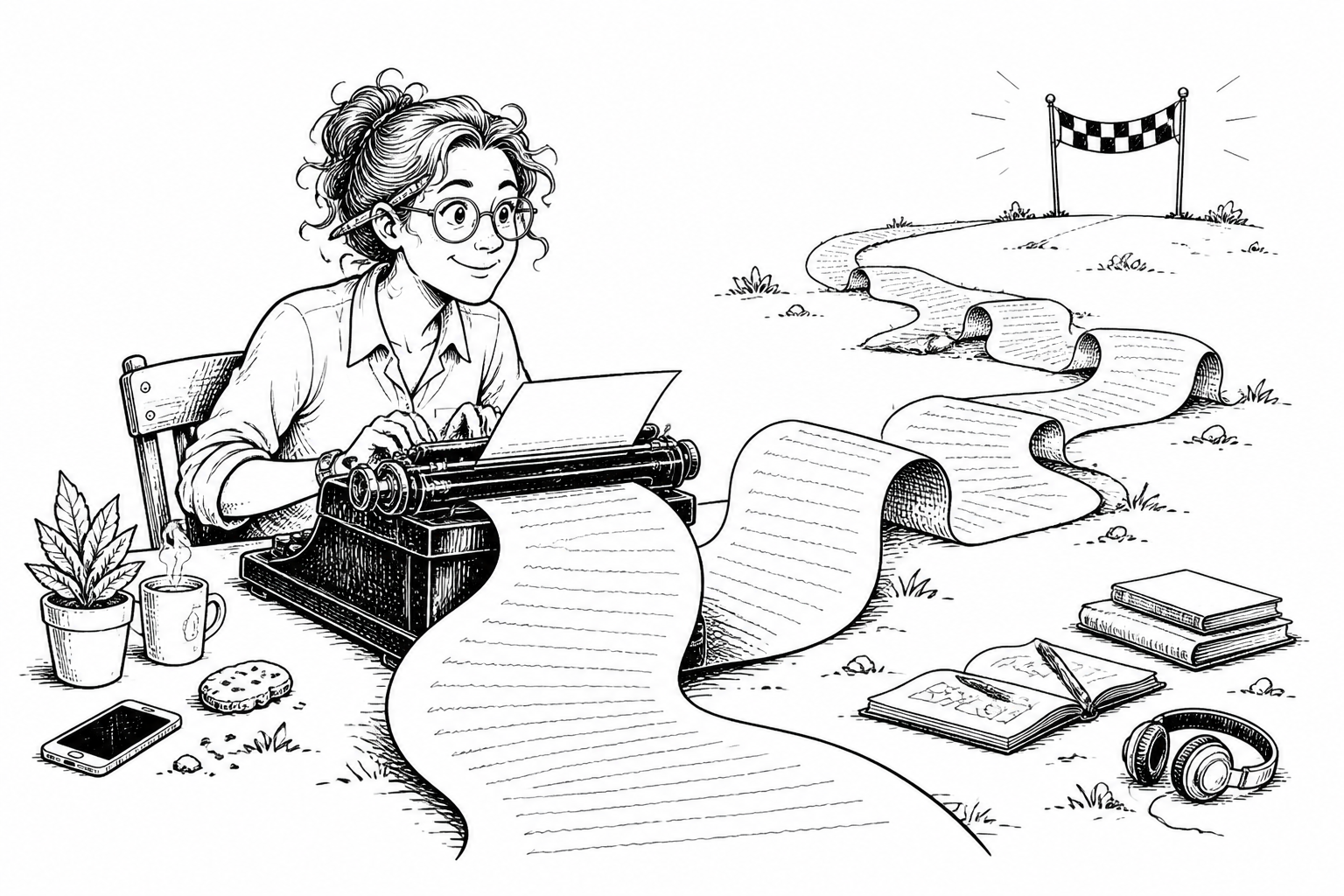
This is the trap hidden inside the idea of perfection. The target moves because the person aiming at it keeps moving too. Technically, you can work on one novel for the rest of your life. This is excellent news if your ambition is to own a manuscript. It is less helpful if you intended to publish a book.
You could revise a novel forever because you are forever changing.
Do not confuse more with better
Once the main story is complete, every proposed extra scene, explanation or epilogue needs to earn its place. Does it resolve something the novel genuinely opened? Does it deepen the ending? Does it complete a character’s journey? Or is the author lingering in the doorway because leaving feels alarmingly like being judged?
A clean ending can be weakened by explaining it again in case somebody at the back was not concentrating. The reader does not need a guided tour of every implication. Nor does every surviving character require a closing ceremony.
The publishing ecosystem gets a vote
There is no single magical test. Completion emerges from an ecosystem: the author’s instinct, the structure of the story, resolved arcs and promises, revision, editorial judgement and evidence from suitable readers. Each component catches something the others may miss.
Without that oversight, even experienced creative people can disappear into their own material. Films assembled by famous friends sometimes meander because nobody in the room is prepared to say that everybody is very talented but the middle hour appears to have gone sightseeing. A novel can suffer the same fate when the author is the writer, editor, focus group, approving committee and sole surviving witness.
Trust the structure around the book. If you are uncertain whether the manuscript has a deeper problem rather than merely needing another polish, start with how to know when a novel isn’t working. The distinction matters: an unfinished book needs completing; a book that is not working may need something more surgical.
So, when is it finished?
When the story has reached the ending it promised. When its characters and major threads have completed their work. When revision is no longer producing meaningful improvement. When qualified outside readers are responding to the book you intended rather than discovering missing pieces. When the editorial process has stopped finding structural reasons to send it back.
And, finally, when the author is prepared to let this book represent the writer he is now—rather than imprison it until it can satisfy every writer he may become.
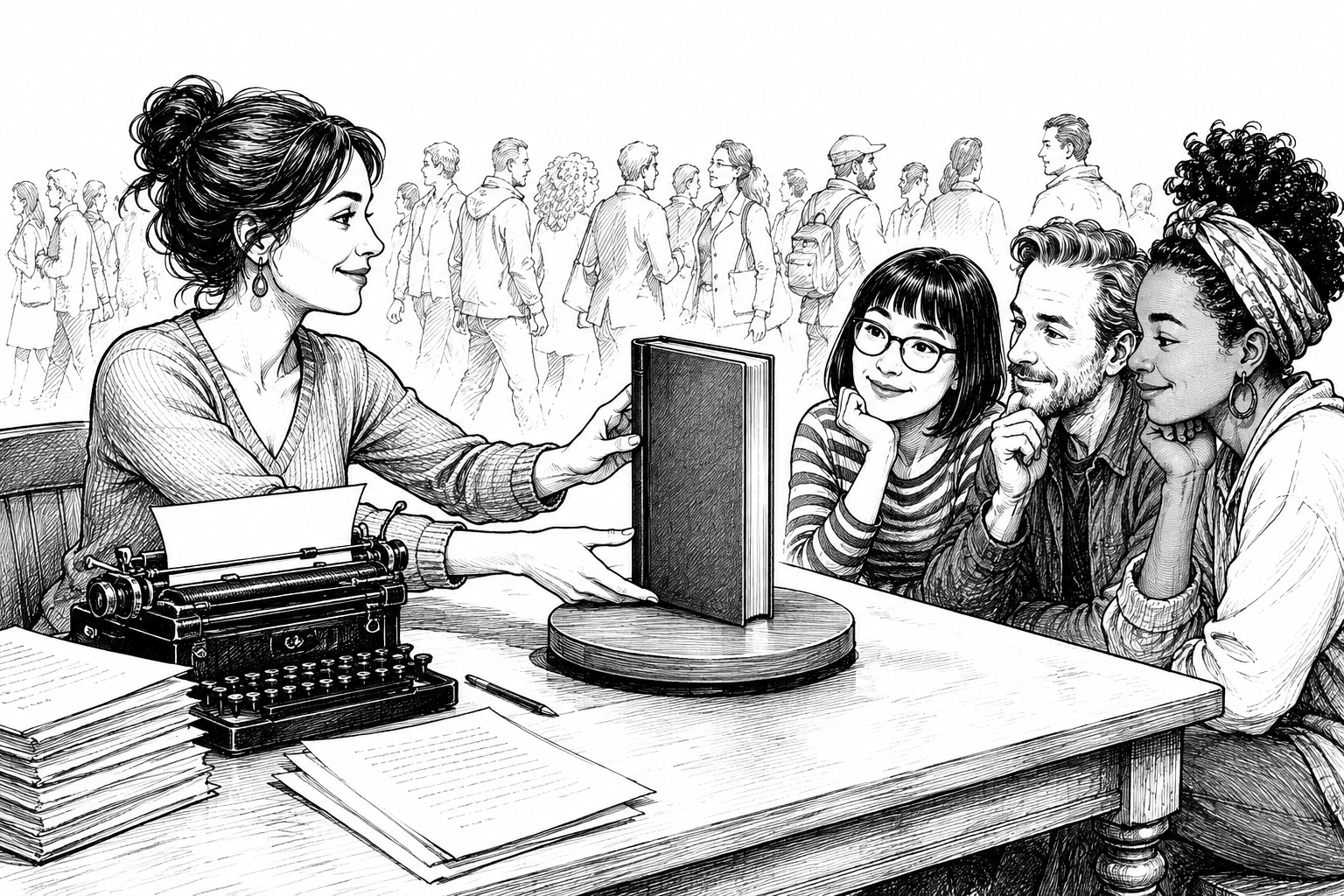
That is not giving up on the novel. It is finishing the job.










Leave a Reply